When Cords Disrupt the Quiet of Home Lighting
Cable management shifts from temporary neatness to stable, low-disruption lighting support in spaces with frequent changes or shared use.
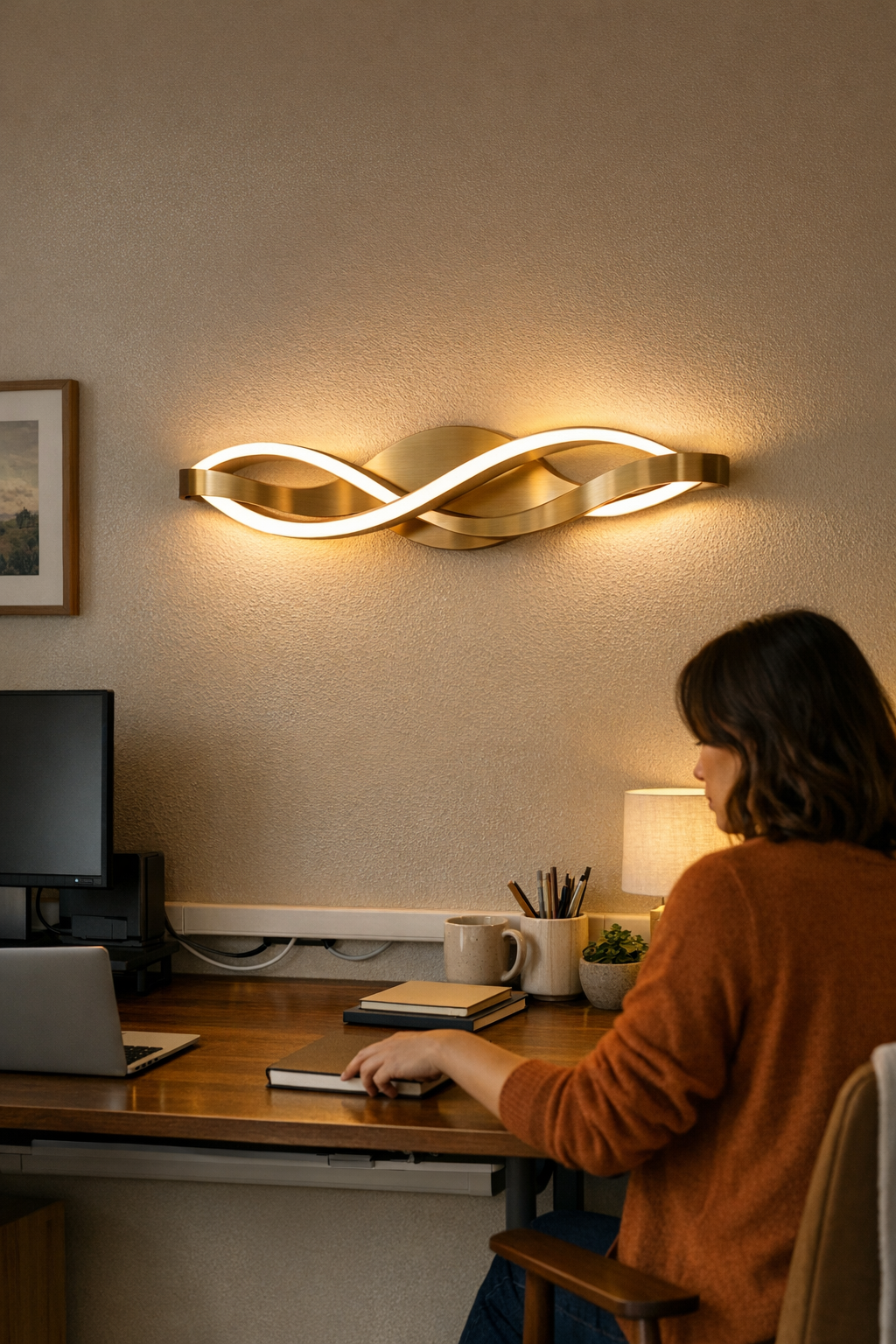
It’s strange how quickly a simple line of cable can become more than just background. When you first plug in a desk lamp, wall light, or a slim strip under a cabinet, the cord seems harmless—something to tidy up later, even invisible by habit. But as the days pass, something shifts. Reaching beneath a shelf each evening, you find the wire nudging your wrist. Looking along the floor edge, you catch a dark loop sweeping dust across the baseboard. Instead of fading into the room, the cords start drawing your attention.
This change isn’t sudden. But it’s real. It’s not just how the space looks, but how often you find yourself disrupted by the details you thought were controlled.
When “Neat Enough” Isn’t Really Enough
What caught me was how the same cable, ignored on Monday, felt bothersome by Thursday. Loose wires slide forward, drape off desk edges, or quietly hook around chair legs. Even after mounting or clipping cables just out of sight, small shifts keep pushing them back into view.
I’d sit down to write, and within minutes, the lamp’s cord crawled into the sweep of my arm or tangled with a laptop charger. Photos of the corner always looked minimal—cords tucked, surfaces clear—but in practice, it never stayed that way.
Temporary fixes didn’t last. Tape held for a while, then peeled away; adhesive clips popped off. Each tidy-up only delayed the next time I needed to unplug or rearrange cables.
The Daily Friction Beneath the Lamp
No one really warns you how much a misplaced wire can interfere. It’s not dramatic—just a tiny drag, a small hitch in your daily routine. In shared tables or compact work zones, the tangle of chargers and lighting strips constantly shifts. The interruption—to free a caught cord or unknot a mess by the extension—repeats until it disappears into the background, a half-second pause you stop registering.
That ongoing friction was what I kept noticing: not clutter exactly, but the restless energy lost to constant small disruptions. It adds up, making the space feel unfinished and less functional.
The Small Change That Made the Difference
Eventually, I added a cable raceway beneath the back edge of the desk. It wasn’t complicated—just a quiet decision one evening when the cords felt more distracting than the lighting.
After that, the lamp cord and LED strip followed a clear path, clipped up and out of the way before they could wander. Movement at the desk became easier. Cleaning, shifting gear, or reaching for plugs all felt smoother. The workspace surface remained uninterrupted.
Over days and weeks, there were fewer catches and fewer reminders that the cords were even there.
The difference was subtle but persistent. The setup didn’t just look cleaner; it became easier to use. Perhaps that’s what I wish I’d tried sooner—the way a small, structured path for cables lets the room settle quietly, so the light can do its work while its support stays reliably out of the way.
Sometimes the details that stick aren’t noticeable. They just make everyday life run more smoothly, even if no one else sees it.
If you find small changes quietly helpful, you might enjoy exploring some practical indoor-lighting ideas here: http://www.lightsupport.myshopify.com