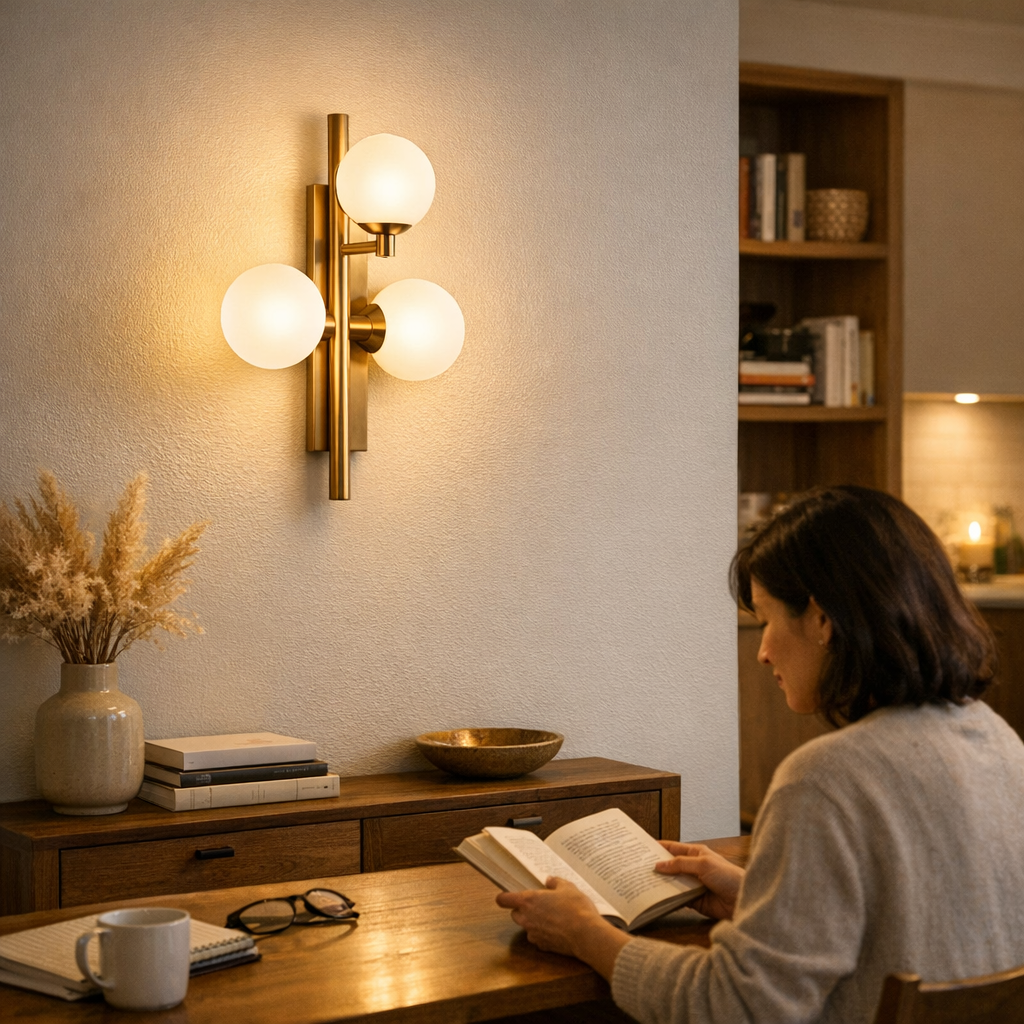
When Dining Storage Meets Daily Life’s Quiet Challenges
Keeping a dining area ready depends on sideboard shelves supporting fast, repeated resets, preventing clutter and maintaining calm meal cycles.
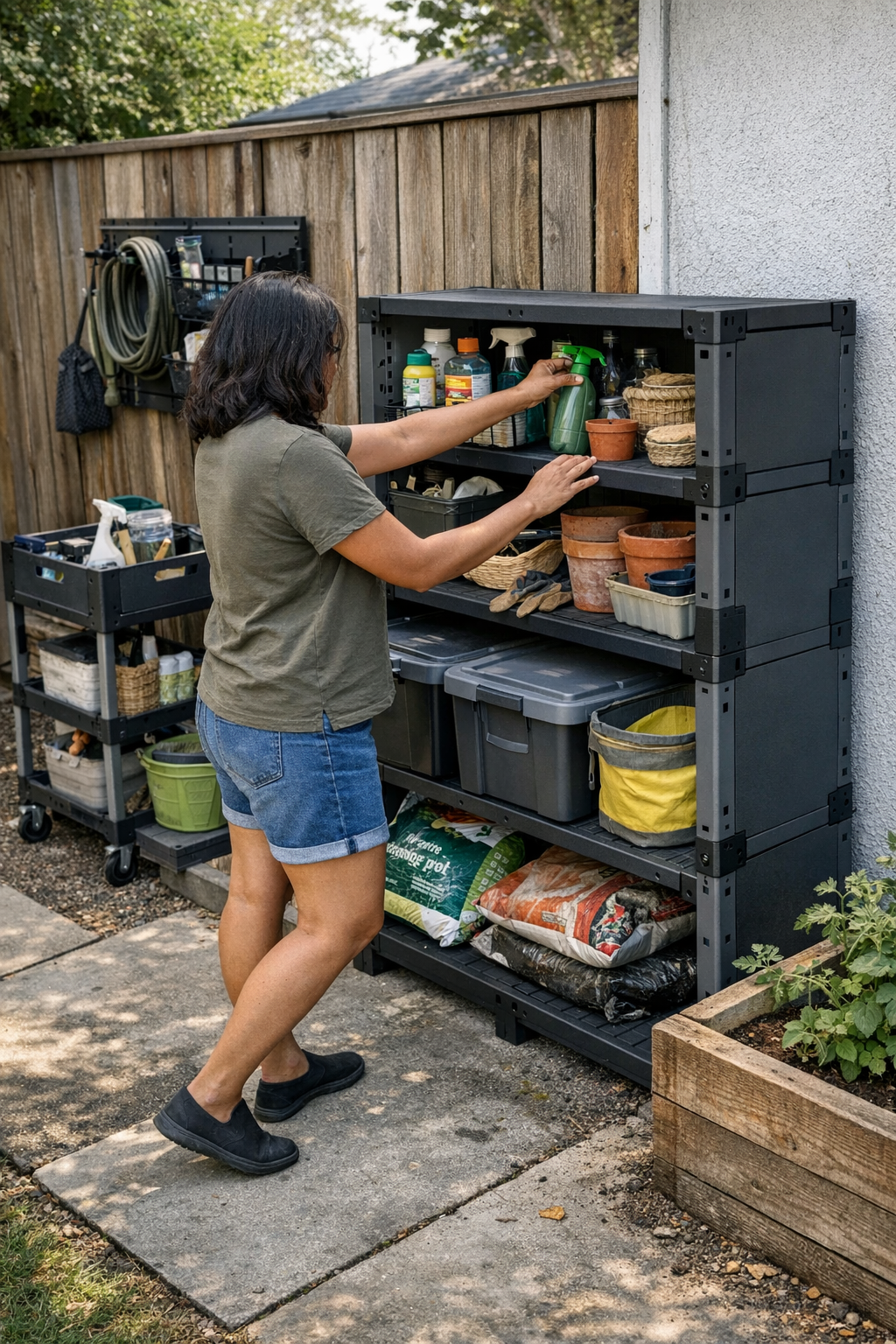
There’s something quiet about routines that work—until they don’t. At first, the new sideboard felt like a small win within our dining room storage system: everything tucked behind those smooth doors, plates stacked neatly, glassware out of sight. The room seemed lighter, less encumbered. It may seem small, but the relief was real.
But as weeks passed, after the nightly rhythm of laying out forks and glasses, then returning serveware to its resting place, I began to notice something: a slight drag of resistance. Shelves became crowded, categories blurred. It wasn’t dramatic—clutter tiptoed in mostly unseen—but the tension was there. I hesitated before retrieving dessert plates, closed doors more carefully as platters jostled behind. This wasn’t about the sideboard’s design itself, but about what repeated use revealed: what the storage system was really asking of me each time I opened it.
When Structure Quietly Shapes the Routine
This wear on a well-made sideboard’s function isn’t obvious at first. It stands silent, dependable. Yet the truth emerges in the small pauses—the shifting stacks, serving utensils edging into categories they don’t belong to.
Eventually, the difference between-looking tidy and staying usable became clear. Perhaps one shelf was too shallow, another too tall, or a compartment only just wide enough for “miscellaneous” overflow. That’s how categories slip, plates mix with bowls, glassware migrates to whatever shelf has free space. These are small things, almost invisible, until every cleanup turns into a brief negotiation.
I realized I’d started keeping a mental inventory—remembering where I last wedged the salad tongs or left the cake stand—out of sheer necessity. The calm appearance stayed, but resetting after meals began to drag. The more the sideboard’s internal structure mismatched how we used things, the more it introduced low-level friction instead of ease.
The Real Shift Only Happens After a Few Rounds
It’s tempting to assign every item a place on day one—dinner plates here, flatware there. And for a moment, it works. But time is the true test. As shelves refill day after day, with the cycle of use and return repeating, you see which parts hold shape.
Only after swapping mismatched or open shelves for sections sized specifically to fit the pieces—everyday plates lifting out without tilting, glassware set in uninterrupted spaces—did routines regain their pace. Even the simple idea of a spot for “overflow” proved a trap; it filled and spilled over, forcing the realization that most-used pieces need stable, anchored places. Giving each item a consistent home it could always return to caused the invisible tension to recede.
It became less about sheer capacity and more about the invisible flow inside the storage. Shelves that supported each daily routine naturally, rather than just concealing mess, helped unclench mealtimes. That relief isn’t always felt in the moment, but it quietly smooths the edges of every meal.
When Only the Inside Matters
Closed doors can offer the illusion of order—the quick permission to call a space “done.” But living with the sideboard for weeks shifted my view: real comfort comes not from appearances, but from the repeatable rhythm inside, the ease of access, and the consistent return of each piece to its place.
The less energy I spent navigating crowded shelves and misplaced categories, the less clutter surfaced elsewhere—no more stacks lingering on the table, no hunt for a missing spatula at dinnertime. That was the insight: a match between how the space looked and how it functioned in real use.
This isn’t really about the furniture or the promise of newness. It’s about the moments in between—the resets, weekly routines, the quiet satisfaction when everything slides back into place. The actual shape of a routine, supported by storage that keeps your days moving a little more smoothly.
Sometimes I still pause before closing the sideboard doors. Most days now, the inside feels as calm as the outside. For those curious about where these quiet realizations come from, the details are here: http://www.gridry.myshopify.com