When Door Racks Turn From Help to Hindrance at Home
Over-the-door racks strain hinges, cause sagging, and disrupt daily use; wall-mounted or floor storage prevents hardware damage and eases access.
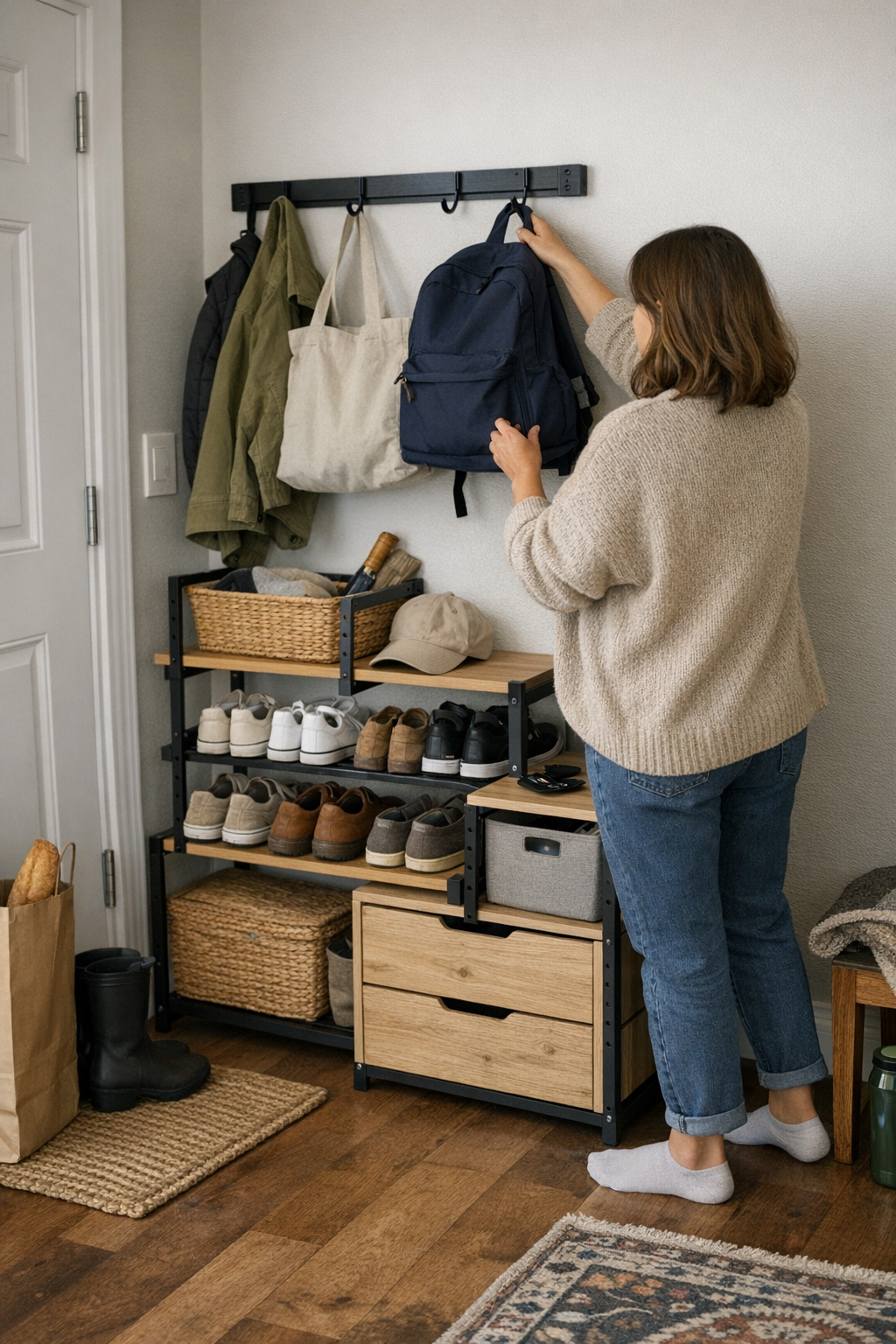
Why the Entryway Sometimes Feels Like It’s Pushing Back
There’s a moment—usually just after shutting the door—when you sense how the smallest resistance in a transition space can wear on your day. It might be a bag hook shifting under weight or a row of shoes spreading until the door stutters against them. Living with entryway storage that carries daily gear means noticing how quickly visual clutter turns physical, and how minor strains build up until the threshold itself feels harder to cross.
The Slow Accumulation
You don’t notice it right away. A drop zone designed for order works well in light use: a shoe rack contains stray footwear, hooks support backpacks and quick-grab jackets. For a time, it all looks controlled. But every repeated arrival—muddy boots, rain-soaked coats, groceries dropped in last minute—shifts the balance.
One evening, I realized the front door didn’t catch smoothly; it hesitated, its bottom edge scraping softly against the floor. Though nothing physically changed, the space felt narrower, the steady overload on the door rack having quietly shifted how the entry flows. That steady build-up—the weight placed on hardware and storage—was what I kept returning to: how the space can push back when burdened beyond design.
The Quiet Pressure of Routine
When kids spill in before dinner, backpacks pile in the same zone, and wet gear leans against the wall, the routine becomes a constant stress test. The strain isn’t just clutter or a crowded bench, but a hinge creaking, a door off alignment, shoes piled sideways because there’s no vertical spot for them. Clear the floor temporarily with a large door rack, and you get order—but it’s fragile.
The daily back-and-forth over the threshold creates tension that’s easy to overlook. The hardware silently absorbs the pressure, and convenience turns to obstacle slowly. Solutions that shift weight off the door—like a slim cabinet beside the threshold or sturdy hooks anchored in studs—soften that tension. You notice when the entry swings freely, without drag: a subtle but real improvement in ease of movement.
When Order and Use Finally Match
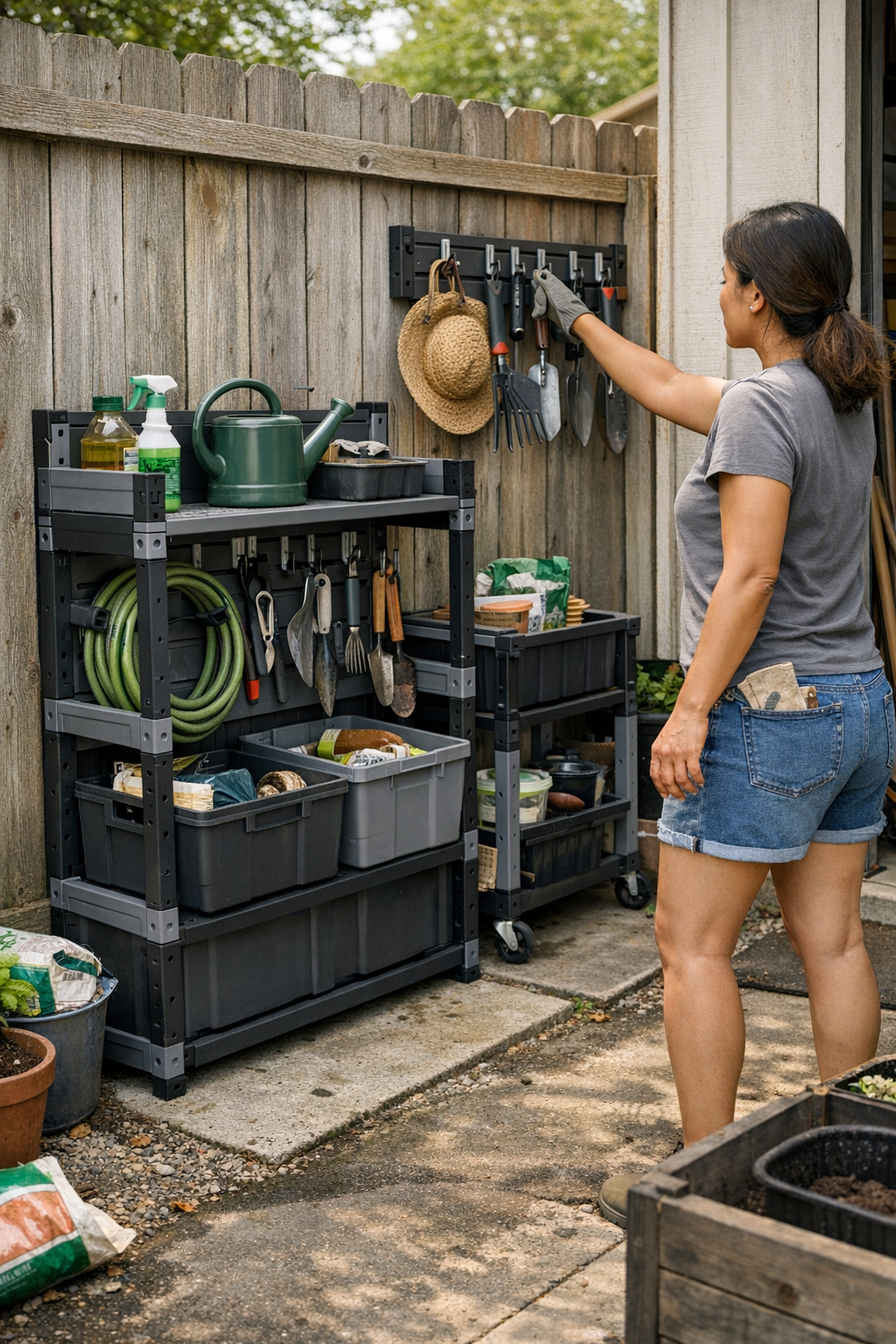
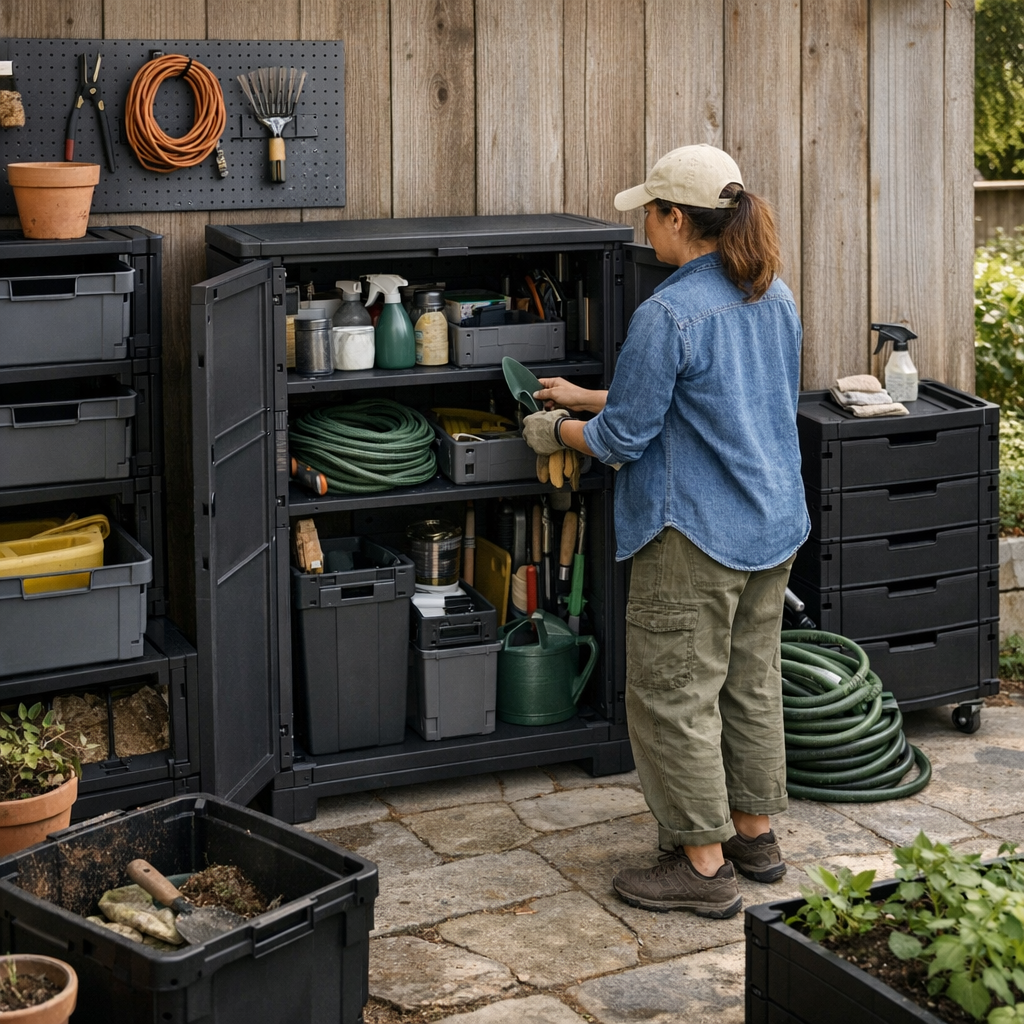
The goal isn’t a perfectly styled entry but one that endures real, repeated use. Transition spaces follow rhythms: bags drifting to bench edges, shoes missing their rows, wet layers finding spots to dry. Storage built to meet those habits—wall-mounted cabinets that keep belongings vertical, stable utility benches that hold overflow, modular units lifting gear off pathways—quietly maintain clear access.
Few comment on the absence of squeaks or how bags now have designated spots. But the feel of the space changes. The entryway stops pushing back. With every return, the strain eases a little more.
Sometimes, small tweaks in daily flow make the biggest difference. For anyone interested in transition storage designed for real-life cycles, I found myself drawn here: http://www.betweenry.myshopify.com