When Drill Speeds Shape the Quiet Workday Flow
Drill bit speed charts prevent edge damage and delays by matching RPM to materials, ensuring cleaner holes and faster work with less repair.
```html
It’s easy to overlook the importance of the right drill speed. Most days, the drill flickers to life, holes appear one after another, and the whole process feels mechanical. There isn’t much drama—until something about the process starts to push back. Rough edges sneak in, the bit warms up, or the plastic unravels at the exit. You don’t notice it immediately, but you feel it.
The Quiet Shift, Hole by Hole
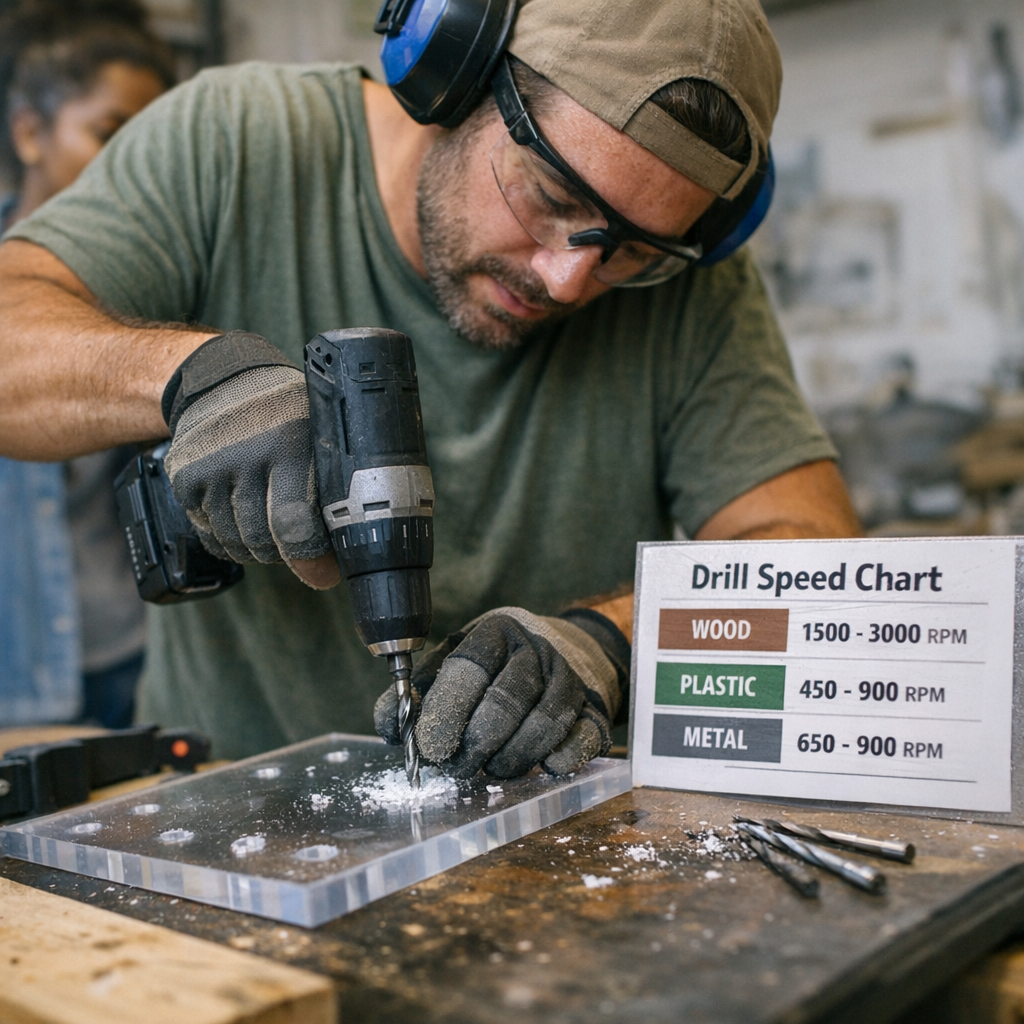
One afternoon, I found myself drilling pine—a routine job. The bit moved fast, clean shavings curled neatly away. A few holes later, the material changed to acrylic. I barely thought to slow down. At first, it seemed the same, and then, not quite—plastic began sticking to the bit, edges rose up and fused, and the rhythm faltered. You can sense when a pattern starts to fall apart, long before seeing what’s wrong.
This is the odd pause after a series—the moments where finishing suddenly takes longer than drilling itself.
Why the Numbers Matter—Even if You Don’t See Them
I’d always viewed the drill speed chart as something for people who liked rules. But after enough sharp resistance or extra clean-up, I learned a small mismatch can quietly repeat through a project. A drill bit set too fast for aluminum leaves burrs that catch the skin. A single over-speed pass through acrylic guarantees cloudy rims and more scraping than expected. The fix isn’t dramatic—a small adjustment down to 900 RPM, or occasionally lower, and the edges grow smooth again.
There’s something grounding about matching the pace of a tool to the demands of the material. It won’t always save time in the moment, but it brings back a steady flow to the work.
When Patterns Change, So Does Everything
I once watched a colleague bounce between oak, plastic, and metal without changing the speed dial. It went well until the holes in aluminum started grabbing and every plastic hole demanded trimming. After a quiet recalibration—dropping from the usual 2200 RPM down to 950—the drill moved through aluminum clearly, and the plastic stopped clinging. No grand lesson, just an unnoticed habit revealed by friction and fixed in a minute.
The strange thing is: even a single job can make you see how the right drill speed is less about following charts and more about noticing what keeps the work flowing or what quietly interrupts it.
I still keep a speed chart nearby, partly for reference, but mostly as a gentle check-in—a reminder that listening to small signals like warmth on your fingers or the way shavings fall often changes the outcome more than the tools themselves.
These reflections circled back while working on a simple DIY project, chart pulled close at hand.
```