When Entryway Order Meets Everyday Chaos
Console cabinets with drawers keep entry storage neat when interiors match daily use, ensuring order, quick resets, and no surface clutter.
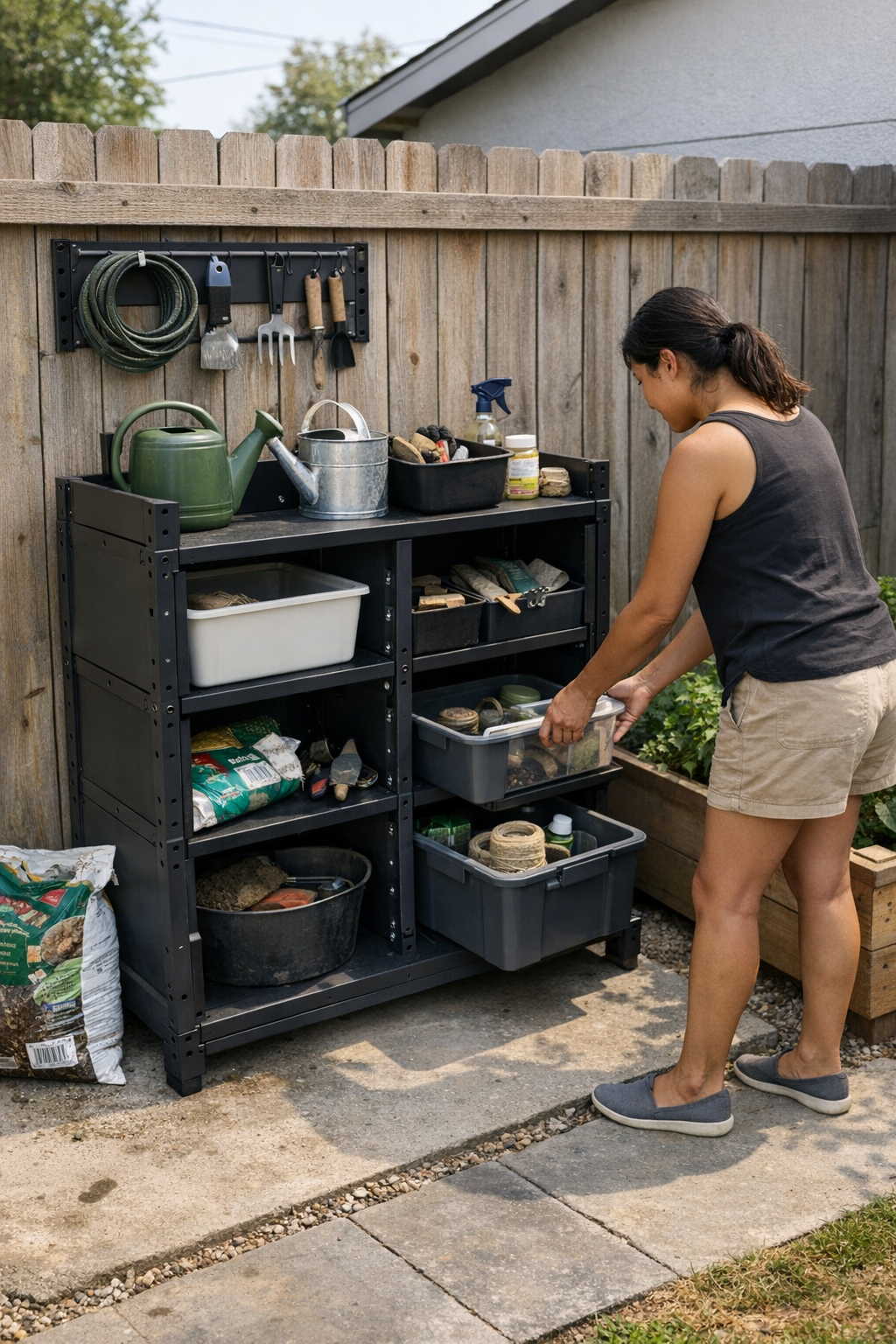
The hallway felt clearer the afternoon we swapped open baskets for a console with drawers. At first, there was a subtle, almost physical relief—a sense that chaos was tucked away and you could move through without hesitation. It was a noticeable mood lift, seeing a smooth surface where bags and keys used to pile up.
But routines have a way of testing good intentions. I’d pictured everything hidden, but I hadn’t fully considered how often we’d be in and out, especially on rushed mornings when drop-offs and retrievals blur into each other. The idea of a drawer for everything was neat—until real life pressed in and the system had to keep up with everyday speed.
What You Don’t See at First
The promise of a closed drawer is its calm surface—no clutter demanding attention each time you pass. You don’t notice this immediately, but over time, it becomes tangible.
On quiet weekends, the setup works well. There’s a place for keys, mail, and the half-used tube of lip balm that never seems to vanish. But as daily routines pile up, categories start to drift and the divisions between drawers blur. Shoes might end up with chargers, yesterday’s mail piles over today’s, and the quiet order grows ambiguous.
The tricky part is, this unraveling doesn’t happen all at once. Instead, it thickens slowly—the time it takes to find what you need lengthens. In that drawn-out unraveling, surfaces gather clutter again.
When Routines Outpace the System
The friction becomes clear when everyone tries to get out the door at once—keys wedged under bills, headphones buried under scarves. This tension grows quietly but steadily.
I realized it wasn’t the amount of storage but what happened inside each drawer. Clear divisions eliminate retrieval pauses: a slim tray for daily essentials, a dedicated corner for mail, and a main section left open for items in transition. Without this logic, quick routines outpace the system. It feels organized, but it’s just delay, disguised.
Often, the impulse is to add another drawer or bin, but this just stretches the problem, spreading clutter wider.
Small Changes That Hold Up
Success isn’t about adding compartments or labels—it’s about creating a logic that matches actual habits. Assigning each drawer a clear, consistent purpose anchors routines instead of blending them. This means items have a dependable place to land. One easy reach—no searching or second-guessing. Order lasts longest when drawers fit not just the space but the flow of daily use.
It’s not perfect: sometimes trays slide out of place, or outgoing mail gets misplaced. But surfaces stay clear, even as life speeds up and slows down again.
There’s a Gridry entrance setup here if you want to see how this plays out in real storage: http://www.gridry.myshopify.com