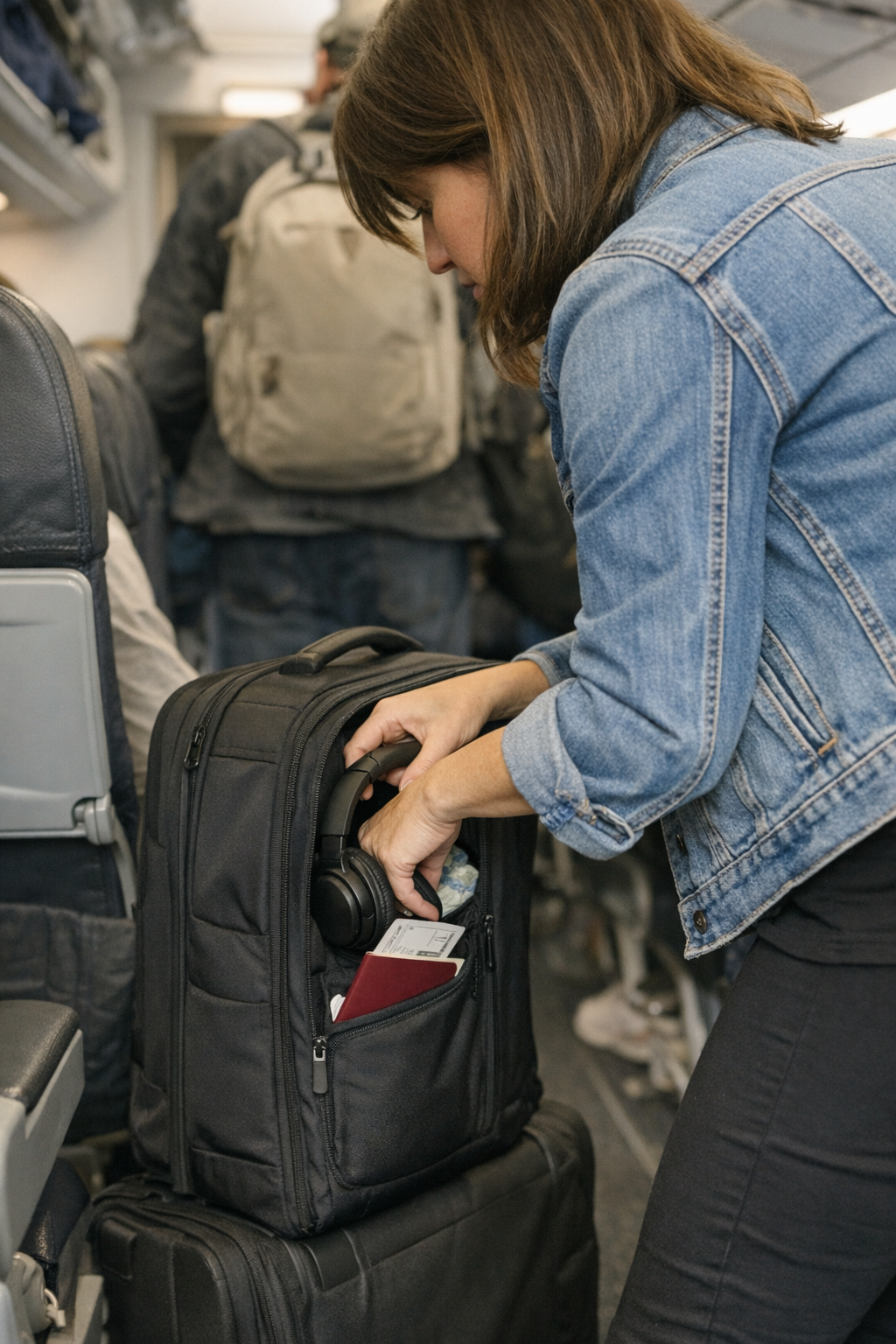
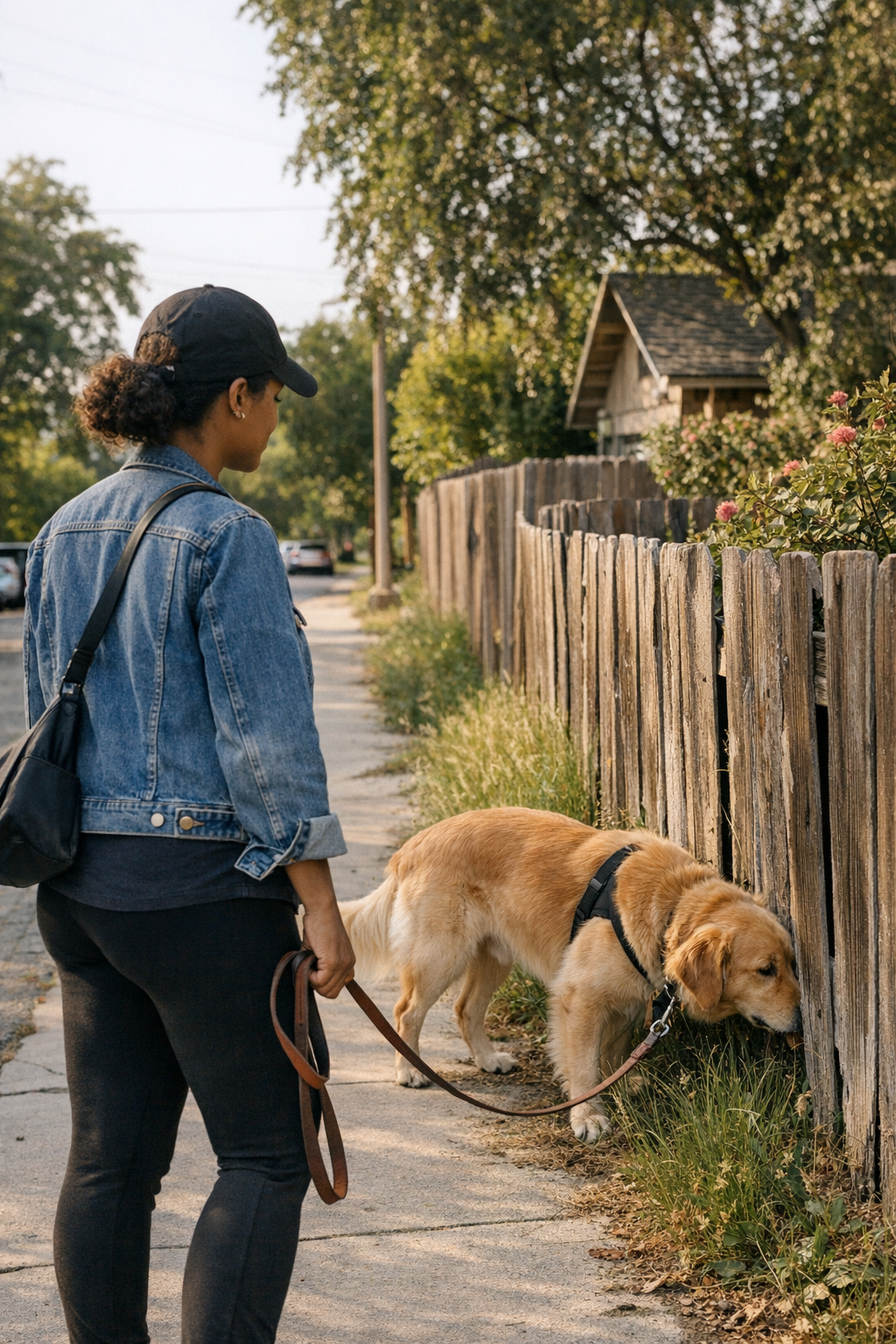
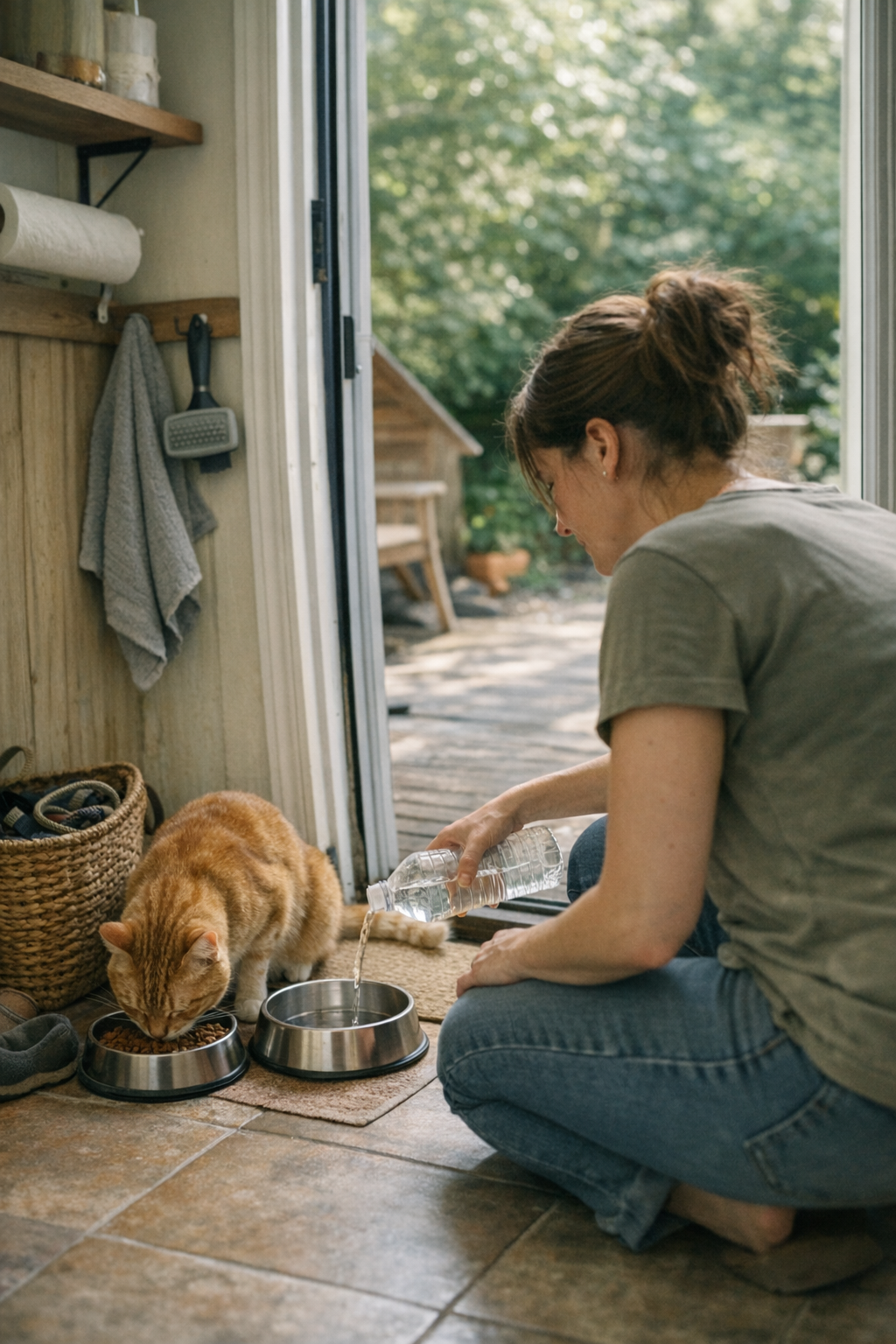
When Familiar Words Meet the Chaos of Travel Stops
Grouping calming words with easy-to-reach comfort items reduces delays and keeps pet travel smooth during repeated stops and routine disruptions.
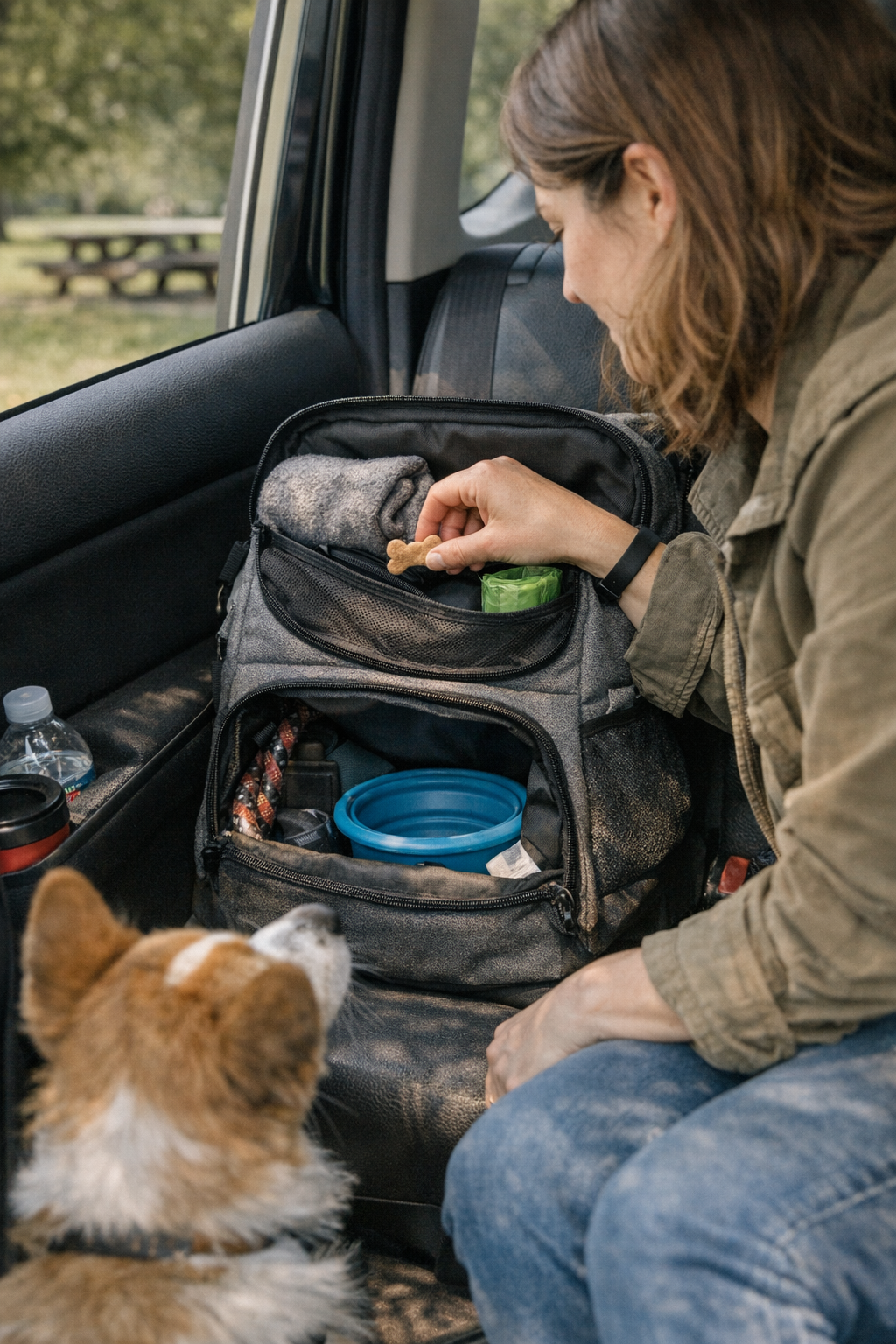
Somewhere between a quick curbside stop and that awkward lean across the passenger seat, you notice the friction. It’s the small pause—hunting through a bag, nudging aside a carrier, fishing for something that seemed ready just moments before. At the start of any trip, the setup looks organized enough: zippers closed, wipes tucked away, bowls stacked. But in the churn of moving and stopping, the real test sneaks up. It becomes clear that it isn’t just about having the supplies, but about where they are, and how your hands meet them when everything speeds up.
The Moment an “Organized” Setup Breaks Its Promise
It looked fine at first. Waste bags sealed in their pocket, calming blanket folded deep, treats zipped in for the drive. But after a few stops—seat swaps, leash checks, a quick backseat search—something shifts. You need an item, and suddenly it’s behind two layers, tangled with a chew toy, or tucked so neatly it’s almost locked away.
That was the part that kept coming back. The calm of the dog relied not just on familiar words or routines, but on my own ability to answer a cue with a thing—right then, not after a scramble. “Settle” works if the blanket appears in one movement; tension grows if it takes five. The organization you build for appearances can create its own maze once every stop means starting routines over.
Routines That Only Hold Up in Motion
Repeated movement reveals flaws you don’t notice at the kitchen table or driveway. On the third or fourth stop—when your arm remembers the path but your hand finds a new barrier—the frustration settles in. Bowls shift, comfort items slide under rain gear, and cleanup pouches float to the bottom right when you need them most.
You notice it after a few trips. The smoother things need to work, the more an extra pocket actually slows you down, and it isn’t just tripping you up. Delay means the steadying rituals for your pet—blanket, treat, word—get broken by fumbling hands, miss the moment, and sometimes don’t happen at all. The gap between looking ready and really being ready grows with every stop.
The Quiet Shift That Changed How I Packed
It would’ve been easy to just add another pouch, another layer of “order.” But that wasn’t what made the difference. Instead, it was bringing the most-used, most-needed small things—waste bag, calming cue, treat—right to the top, so the action matched the rhythm of the routine instead of interrupting it.
For me, grouping these at the edge of the carrier meant less searching and more matching of movement to moment. The everyday hassle shaved away: one reach, one hand. The routine felt possible again, even after a mess, a break, or a restart. Small changes in where things sit—not just what’s packed—start to feel like time regained.
Settling into this kind of practical order is quiet, but you don’t forget it the next time you pick up the bag. If you want a sense of what that setup can look like, there’s something here: http://www.pawgotravel.myshopify.com