When Gloves and Boots Fail Mid-Shift
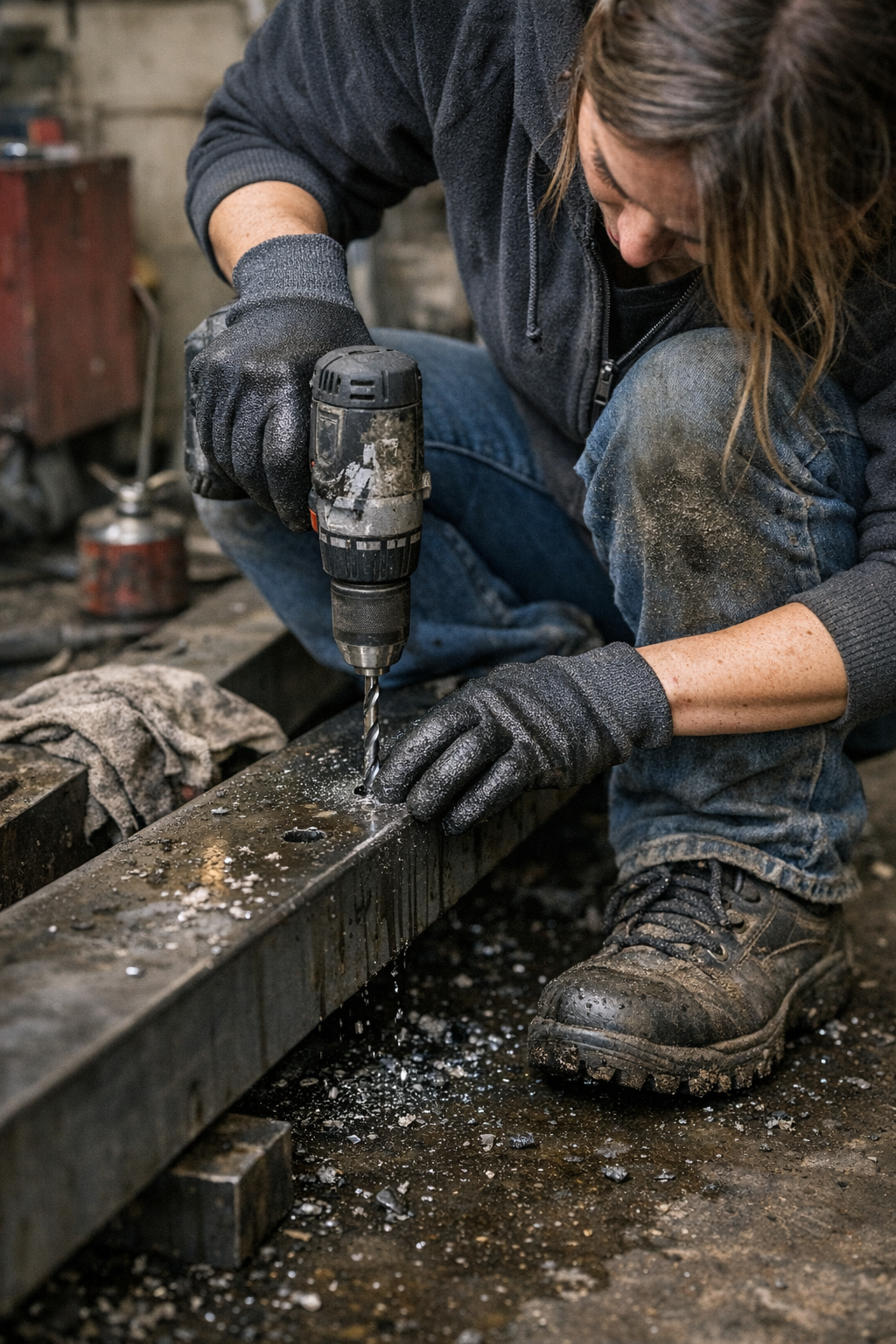
Using gloves and boots with proven grip and traction reduces drill bit walking risk by maintaining accuracy and minimizing corrective tasks.
The moment you pause in the aisle, half unzipped and searching for a passport, you notice it. Even after years of adjusting setups—switching pouches, rehousing cables, tucking small bags inside larger ones—the tiny frictions of carry-on travel keep surfacing. For a long time, I blamed the unpredictability of transit: crowded bins, short layovers, the blur of repacking for the next leg. But that wasn’t the full story. It was something quieter, hidden in the movement itself.
Some carry-on setups look organized sitting still, bag zipped shut beside the door. They hold that shape for maybe the first flight, crisp and contained. But the real test is in motion. That’s when a zipper catches on a cable, or a pouch sits just deep enough to require a full shuffle—always at the worst moment. You start noticing it after a few transitions. Not full-on disaster, just a slow erosion of efficiency.
The main issue kept coming back: it’s easy to mistake apparent order for real ease. I’d reach for a charger or passport, expecting smooth flow, and end up half unpacked in my seat, with items refusing to slide back into their neat slots. Sometimes a setup promising “quick access” manages to slow down the little routines—the reach, return, rearrange, zip—until the core advantage of carry-on travel starts to dull at the edges. Organization becomes a shape that doesn’t match the rhythm of movement.
After enough of those awkward moments, I stopped thinking about how the bag looked standing still and started noticing how it felt while moving. One detail quietly made all the difference: the path between the exterior pouch and main compartment. If the zipper caught the wrong cable or a pouch got dragged sideways, the whole choreography slipped. I found myself using the same crease, the same grab point, trying to fix a hold-up on the fly. The practical takeaway: the right organizer isn’t just about what fits where, but how it moves with you every time you open it—mid-tray shuffle, overhead-bin reach, or gate rush.
It’s surprising how the smallest friction can follow you the farthest. The more I fly, the clearer it becomes: the best part of a setup is usually the bit you touch most in motion, not how it looks packed at home.
If you’re curious where this thought process leads, you’ll find the same restless adjustments quietly shaping new tools here: http://www.carryonsupply.myshopify.com