When Grinder Discs Don’t Align: A Quiet Jobsite Frustration
Matching disc RPM to your grinder’s speed prevents overheating, poor finish, and tool damage, ensuring safety and cleaner results.
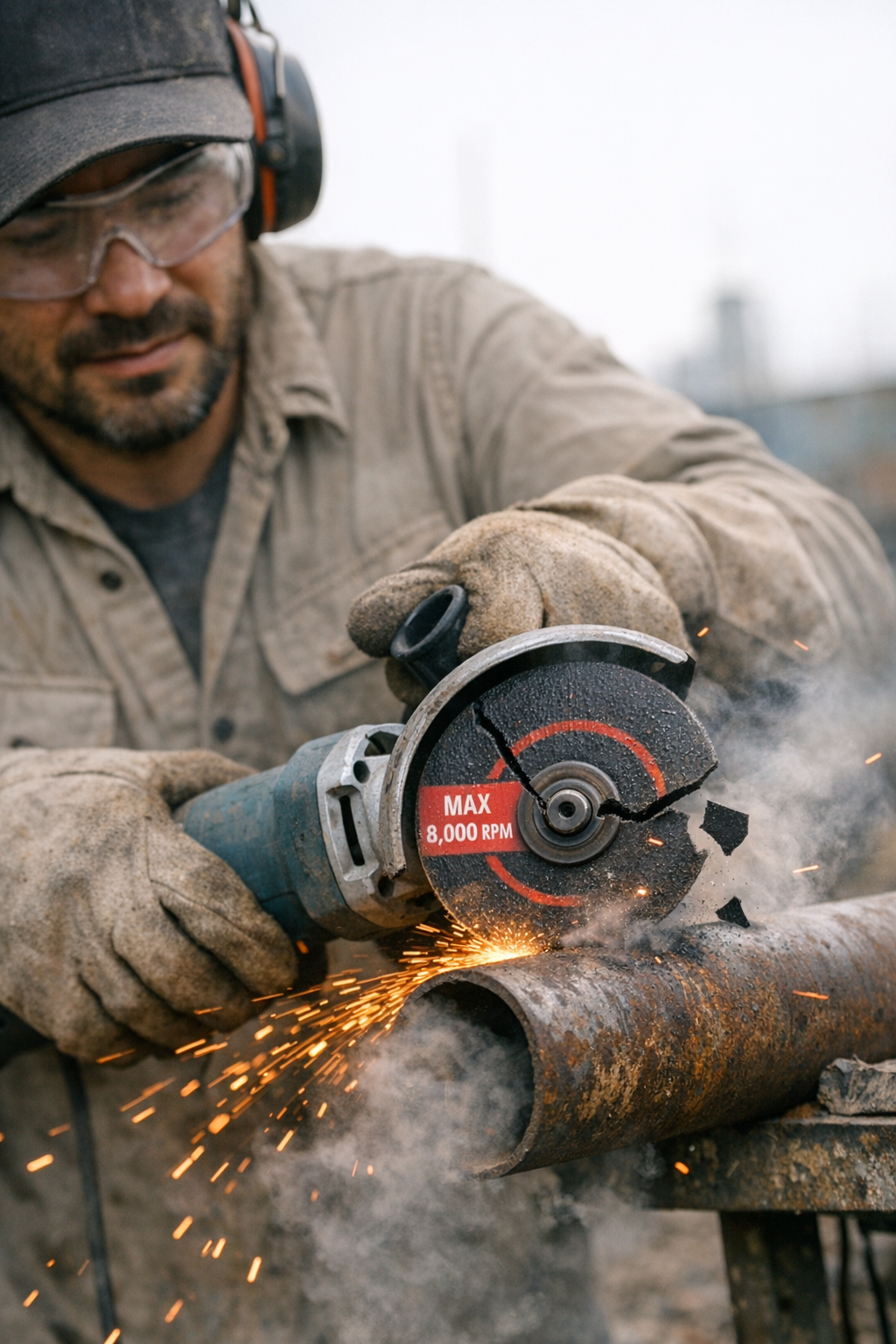
There’s a moment that sneaks up on you in the middle of a job: the tool starts to chatter, a little heat builds under your glove, and you wonder what went sideways. The hum of an angle grinder should fade into the background—but sometimes, it doesn’t. Suddenly, every pass feels rough and the disc begins to fight back.
It’s easy to overlook disc speed compatibility when you’re just trying to get through a pile of metal or clean up a weld. Discs may look mostly the same, and the tools all buzz along at dizzying speeds. But the truth is, matching the speed of the disc to the RPM of the grinder is the quiet thread that ties everything together. Ignore it, and the job grows longer, harder, and strangely exhausting.
The Illusion of Interchangeability
You don’t notice it immediately.
Two grinding discs might be stacked in your toolbox, nearly identical at first glance. Maybe the same brand, same size, similar packaging. The numbers on the side—8,000 RPM, 12,000 RPM—barely register after a while.
But you feel it.
Mount the wrong disc onto a hot-running grinder and the difference shows in the work. There’s more vibration, more resistance, and a kind of heat that lingers on your gloves and in the air. The dust feels heavier. What should be a clean cut turns into a ragged edge, the finish coarse and slightly burned.
Sometimes, you even wonder why the sound of the grinder feels different—almost strained.
Small Details, Big Impact
The mismatch isn’t always dramatic at first. Sometimes a disc simply wears out too fast, leaving more of itself on the shop floor than on the workpiece. Or maybe you catch the faint scent of scorched metal drifting up, only to realize the disc is already losing its bite.
On bigger jobs, you start to see what this really costs: cleaning up rough gouges, replacing burnt discs, regrinding surfaces again and again. I’ve watched teams move from frustration to flow simply by swapping out an under-rated disc for one that could keep pace with the grinder. It’s an invisible difference—until the process suddenly becomes smoother and quieter. The rhythm returns.
A little moment of clarity comes when you stop to check the numbers on both the grinder and the disc, lining one up with the other. That small pause can change the shape of the whole project.
Quiet Confidence in Routine
There was a point, after enough burnt edges and overheated disc changes, where I stopped gambling with compatibility. Now, whenever I pick a disc, I look for a rating comfortably above my grinder’s top speed—a small buffer that brings a kind of quiet assurance.
The process feels less rushed. Discs stay cool, edges stay neat, and everything moves better. Over time, there’s less need to go back and fix what should’ve been right the first time.
It’s one of those details that rewards you quietly. Most days, you barely notice it—just a peaceful hum and a cleaner finish.
These thoughts came together slowly, during breaks between projects in my workshop.