When Harness Fit Shapes Your Workday Mood
Ignoring harness load distribution leads to fatigue, discomfort, and gear wear; precise adjustments improve comfort and protect output and equipment.
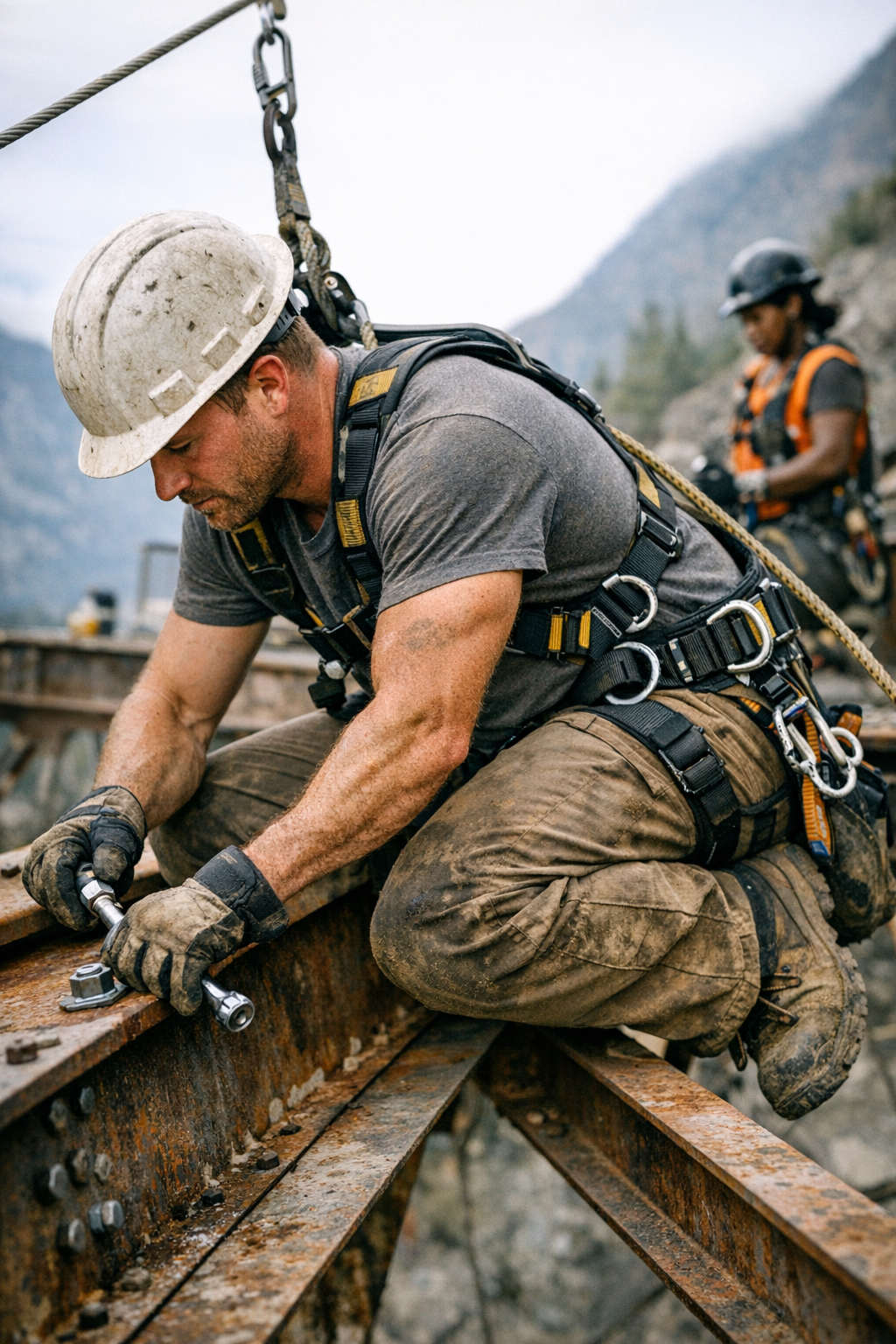
You don’t really notice harness discomfort—at least, not until it interrupts everything. Maybe you’re tightening a bolt or shifting your weight on a narrow beam when a thin pinch or dull ache suddenly knocks your focus off balance.
Harness load distribution isn’t a topic people linger on, but its effects linger with you all the same. The way a harness fits and shifts can decide how you move through repetitive, physical work—smoothly, or bit by bit, with interruptions stacking up in the background. Sometimes it’s so subtle, you only catch it in how tired you feel on the way home.
Let’s look at why that quiet strain builds, and what it’s really costing us.
Where Effort Turns Into Fatigue
Load distribution might sound abstract, but it becomes physical the longer you work. Discomfort rarely starts as a sharp moment—it sneaks in. Maybe your harness pinches near the hips. Or there’s a bit of material creeping under your ribs as you kneel for the twentieth time.
You don’t notice it immediately.
But you feel it.
Over an hour or two, the fatigue builds. Five extra minutes lost at each anchor switch. Minor aches asking for a little more shifting, a little less balance. Soon, staying focused feels like wading through water.
The Subtle Differences That Change Everything
At first glance, a harness is just webbing and buckles—a uniform tool. But the difference between a dorsal-only setup and a harness with side D-rings only reveals itself in motion.
You see it more when slowing down for yet another adjustment. Straps biting into fabric, small bursts of pressure radiating down into your hips. Maybe a friend’s doing similar work, but their harness keeps the load low and even. They move without as many pauses or readjustments.
On scaffolds or sloped beams, these differences start to matter. Not all at once. But when the load isn’t balanced, every climb or twist quietly shapes the arc of your day.
A Small Shift, A Lighter Step
It took switching to a different harness—one with a few extra adjustments—for me to realize how much mental space the little aches were taking.
Adjusting a chest strap just so, finding the right tension at the hips: it’s not about chasing perfection, just about letting the tool do its quiet work. Balance becomes habit; the body’s small protests fade. Before, I’d see frayed spots where straps rubbed after days of site work. Now, those marks are mostly gone, replaced by a different feeling—an ease I notice only in hindsight.
It’s strange how something you rarely talk about ends up meaning so much over the hours and weeks.
Work comfort often comes down to these little things: the adjustments that keep us moving, unnoticed until they are. The true cost of ignoring them is measured not in dramatic failures, but in slow, steady wear—on both harness and person.
This came into focus for me on a long job, somewhere between the second anchor and a quiet pause on the platform. You can see more of that thinking here.