When Heat Layers Reveal Hidden Surface Flaws
Using small, controlled temperature increments—no more than 20°C per pass—prevents blistering and ensures consistent, repeatable finishes after multiple cycles.
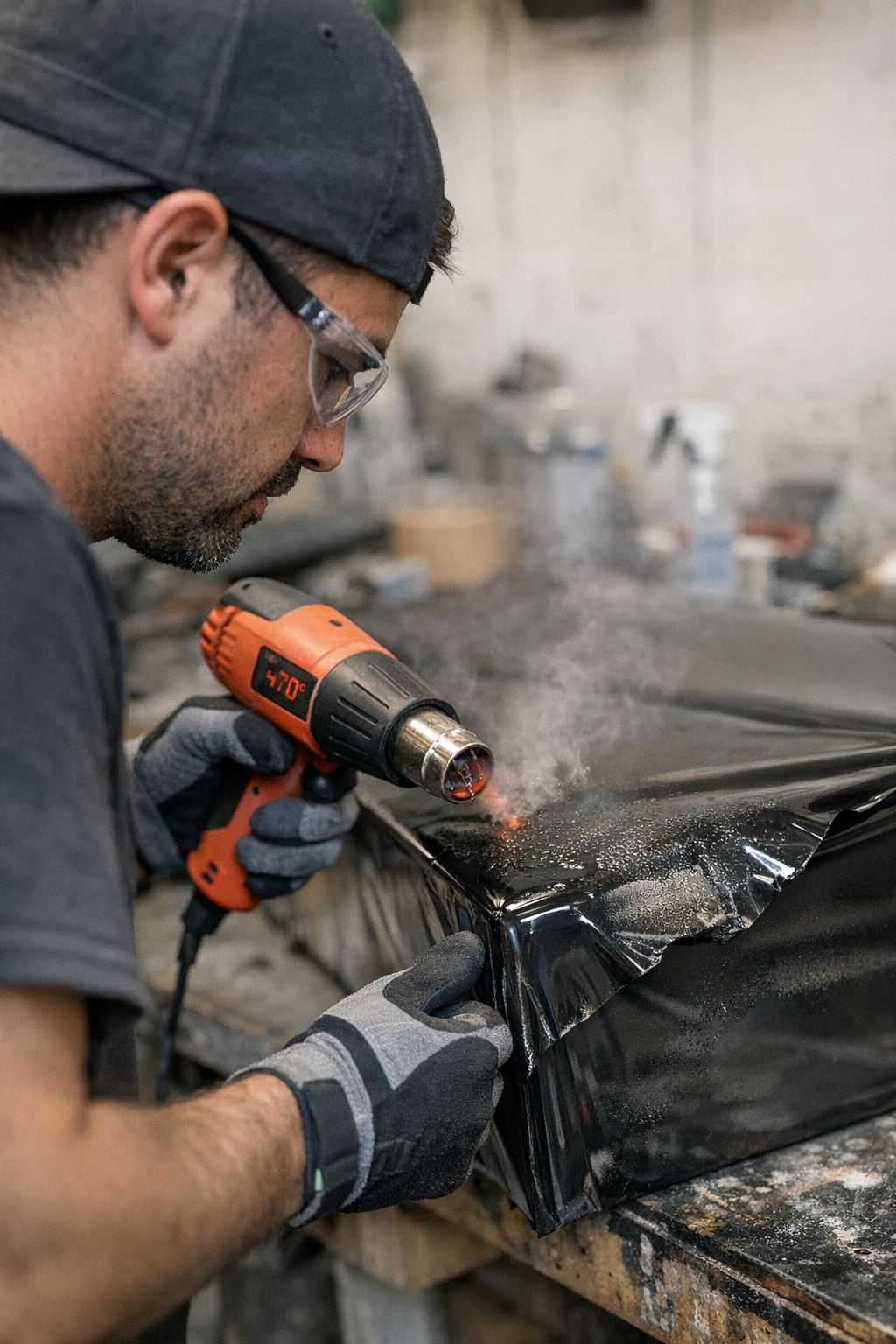
There’s a quiet satisfaction in watching a layered surface come together—smooth, gleaming, seamless in the right light. You notice the transformation more than the process. But when something goes wrong, the disruption is sudden and close at hand. A single haze patch or blister, and the spell shatters.
Heat gun temperature layering doesn’t announce its importance. It hides in all those repeated passes, the rhythm you fall into as each layer sets, then another, and another. For a while, the difference between techniques is almost invisible. Both seem to work. But over time, tiny flaws accumulate. Edges lose their sharpness; shine dulls in spots; repairs slow your progress. You don’t notice it immediately.
But you feel it.
Patterns Revealed in Repetition
It’s easy to trust the first pass. The material responds predictably, even forgivingly, beneath a steady hand and uniform heat. Most decent heat guns—especially the ones with digital controls—feel interchangeable at this stage. There’s comfort in how quickly you settle into the task, panels warming evenly, colors flowing out with that familiar luster.
Yet after the third or fourth pass, something changes. Where there was once clarity, subtle smudges creep in. A glossy corner becomes a little opaque. A seam drifts ever so slightly. It’s only in these moments—when the layered work builds upon itself—that the quiet cost of small temperature slips becomes painfully clear.
When Correction Feels Heavier Than Progress
I remember adjusting a stretch of thick vinyl one late afternoon, near the end of a long batch. The early layers felt effortless. But with each cycle, new problems appeared—a bit more dust sticking here, a ripple refusing to smooth out there. Heat had lingered just a second too long on one edge, or maybe the jump in temperature was larger than it seemed. Sometimes, correction starts to feel heavier than forward movement.
That moment surprises you. You realize cleanup is dragging out—undoing what felt perfect only a half hour before. These aren’t dramatic failures, but the slow, accumulating drift from clean work to fatigue.
The Relief of Small Changes
Eventually, I tried narrowing each temperature increase to no more than 20 degrees. The change was subtle, almost boring. But the difference over a full day’s work was unmistakable: No haze. No seam dullness. Cleanup, usually a test of patience, simply faded into routine. I started watching surfaces less for damage, and more for the quiet satisfaction of seeing each layer behave—predictably, effortlessly.
That shift became a small comfort. Sometimes, reliability comes not from a tool’s power, but from a gentler touch with repetition. The materials almost seemed grateful. And so was I.
We chase perfection in small ways—often only noticing the absence of flaws, not their prevention. The rhythm of layering teaches patience if you listen.
These reflections came to me gradually, much like the finish settling on a slow, careful project.