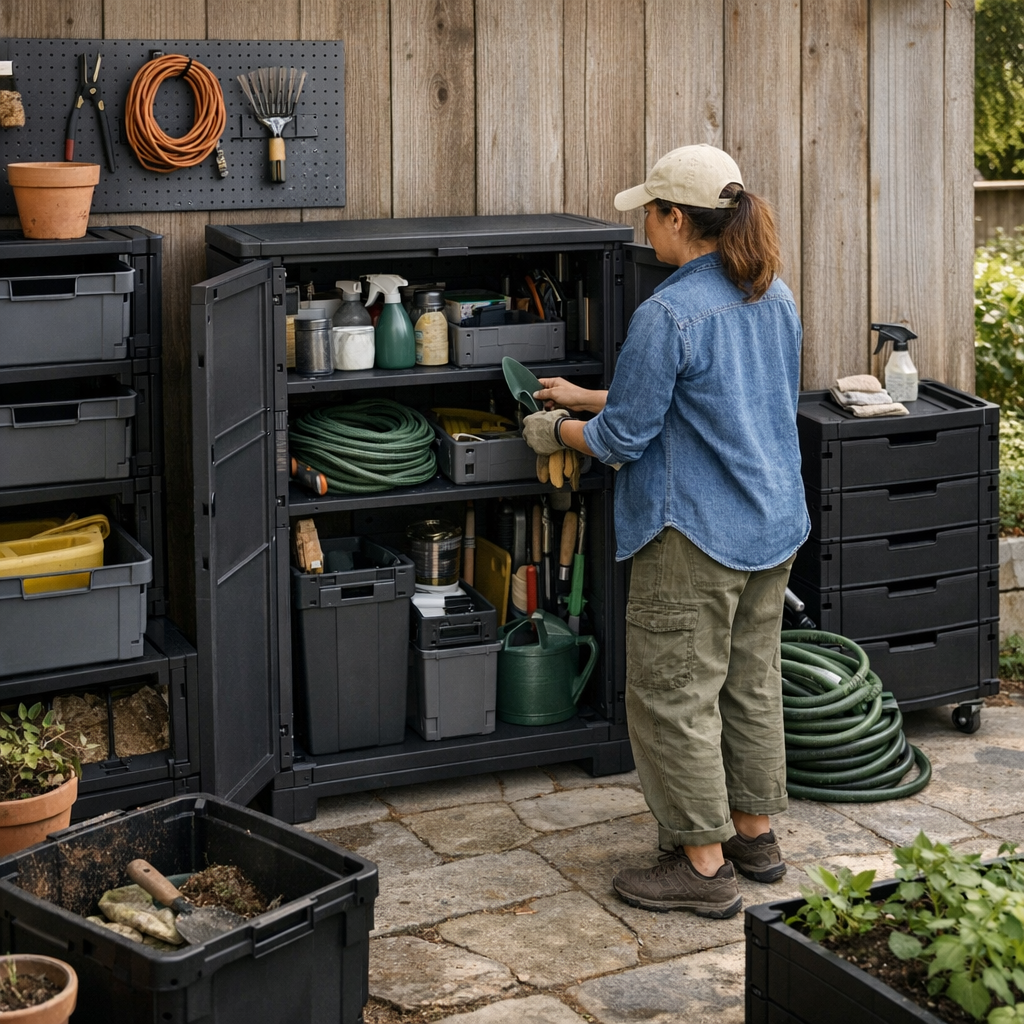
When Hidden Cables Disrupt Everyday Calm
Storage cabinets with cutouts control cord clutter only if cutouts align with device positions; otherwise, cables tangle and clutter forms.
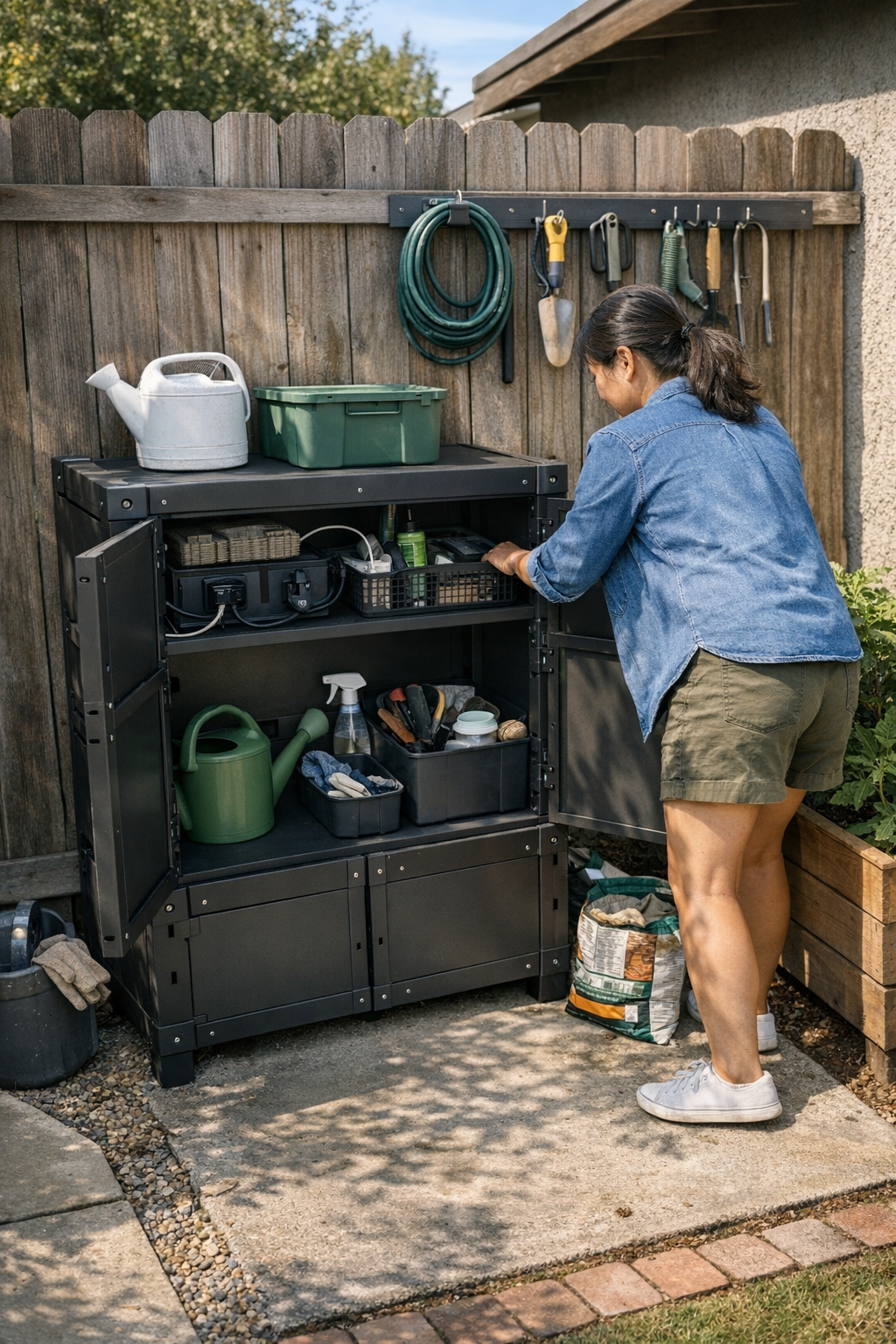
You don’t notice it immediately. Most days, the inside of a storage cabinet looks tidy behind closed doors—at least on the surface. But if it’s the cabinet that holds our collection of cables, that illusion doesn’t last long.
I began noticing the pattern during the slow build-up of daily habits. The first few times you reach in for a new charger or move a power strip, everything seems under control. But that fragile order breaks down faster than expected. Cables start to pool in one corner. Adapters slip from wherever you tucked them. Within weeks, the inside turns into a minor tangle, quietly undoing the calm the cabinet was supposed to provide.
The Unseen Tension That Gathers Inside
The promise of most storage cabinets with cable cutouts is straightforward: slip the cords through a neat hole or slot, close the doors, and forget about it. At first, it feels like a solved problem.
But that solution wears thin within a week or two. The first clue is retrieval friction. Every time someone grabs or returns a device, there’s a subtle pause as fingers fumble around a tangle. Cords bunch up at one opening or snake out somewhere unintended. In shared spaces—a living room console or family office—the effects multiply, with small hands and new adapters adding to the clutter.
That was the part I kept coming back to. It wasn’t that the cutouts failed; it was how their placement didn’t match the rhythms of real use.
When Placement Quietly Outweighs Quantity
I tried cabinets with a single large cutout and others with pairs tucked into opposite corners. None stopped cables from finding their own messy logic. The truth is, how many cutouts you have matters less than where they are.
The difference was in matching cable exits to where devices actually live. If I kept a charger on the left, I placed a cutout there. If a router rested at the back, so did its escape route. Not an exact science, but close alignment eased everyday use.
The practical impact came quietly: retrieval and return became easier. No more cords bunched at the center. Less untangling to get at what I needed, and a feeling of the system quietly doing its job. Reaching in no longer broke the spell of order, even during busy afternoons.
What Lingers Quietly Underneath
The real learning wasn’t flashy. Closed doors can hide a tangle, but they don’t make day-to-day access easier unless the design matches how things really move inside.
You start to feel where trouble gathers—a blocked corner, a slack cord always getting in the way. It takes weeks and a dozen small resets to see that design should serve routine, not just look neat from the outside.
It’s a small, persistent difference—following the actual routine instead of the idea of one. A storage cabinet feels finished only when retrieval finds its rhythm, not just its look.
Some things keep unfolding quietly in the background; you can follow a quiet thread here: http://www.gridry.myshopify.com