When Less Storage Means More Peace at Home
Fewer organized storage options reduce decision fatigue and clutter, improving flow, clearing space, and cutting reset time in busy workspaces.
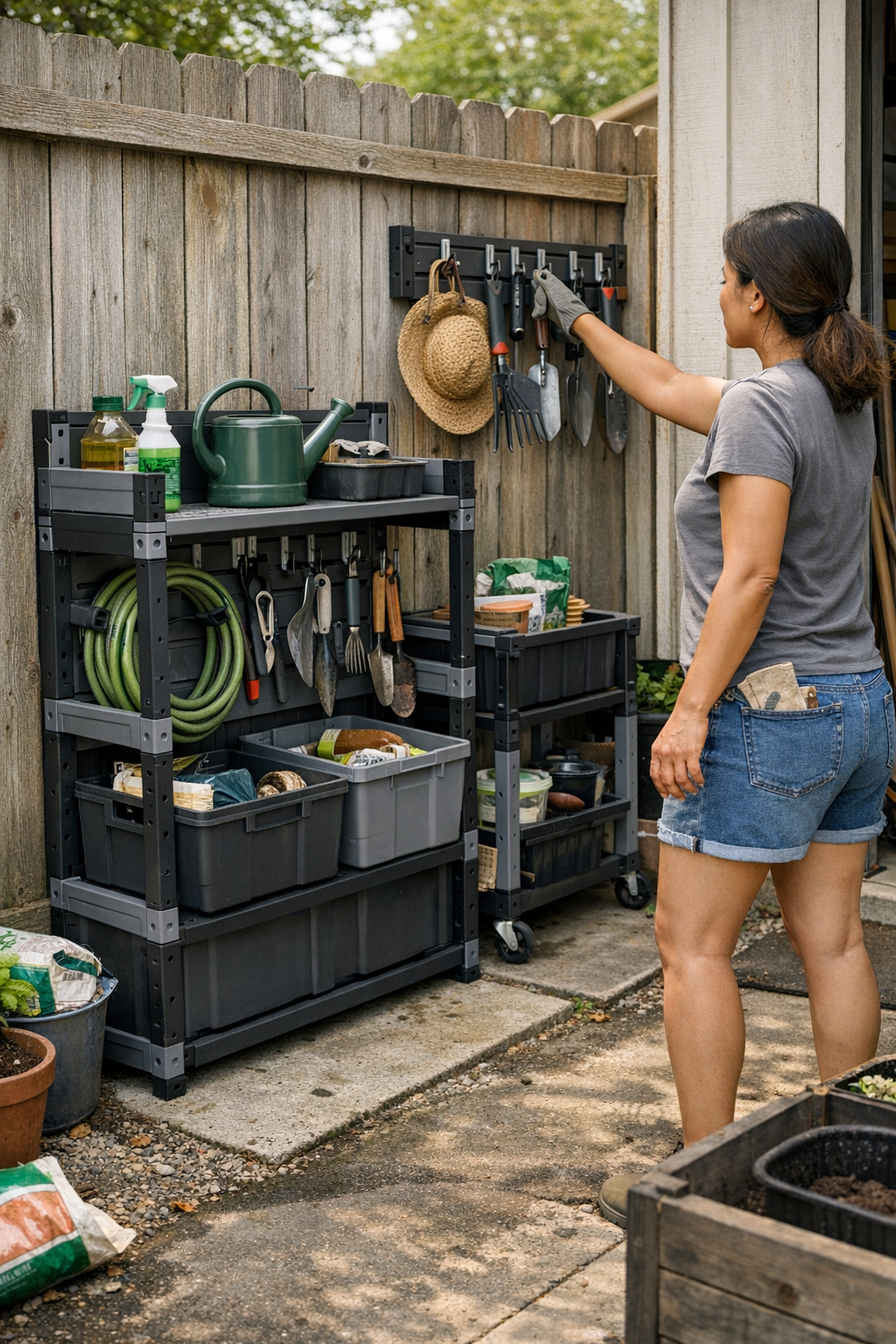
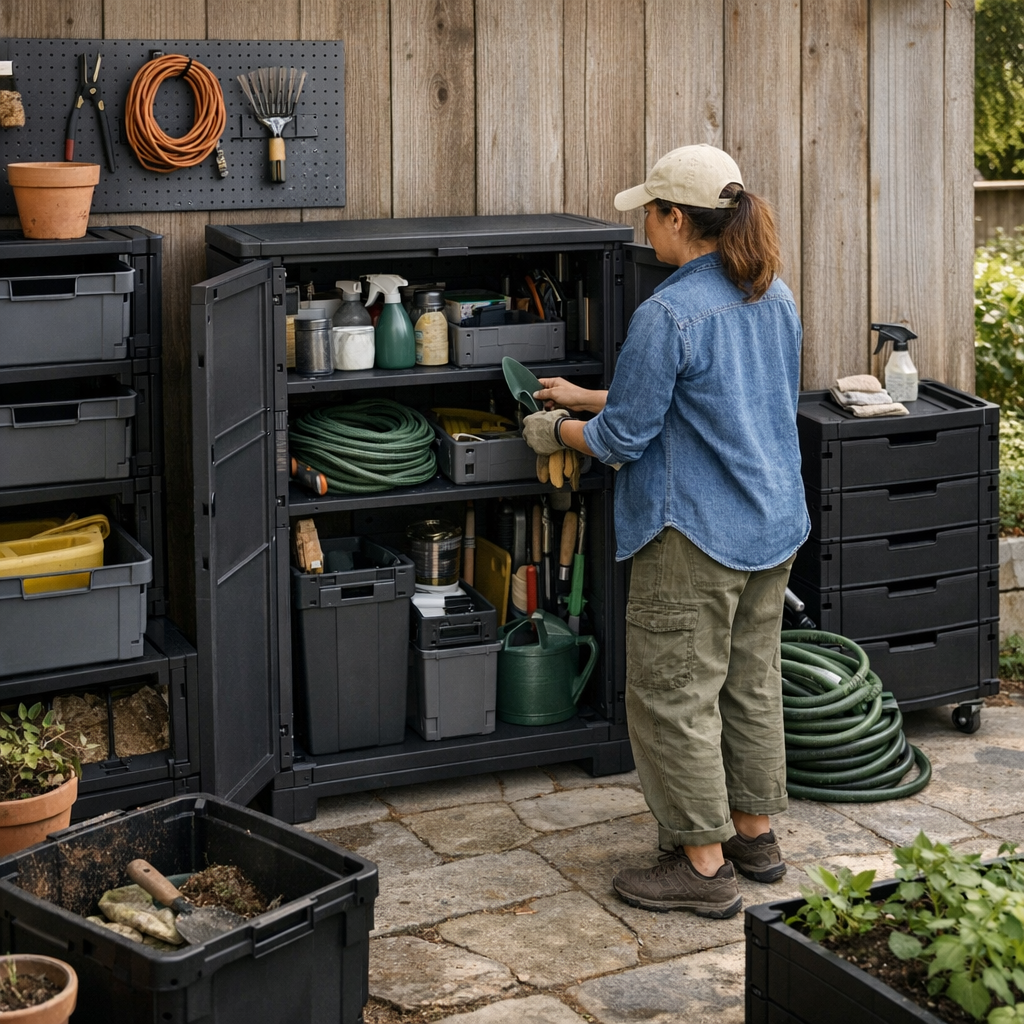
There’s something quietly deflating about losing momentum in your workspace. You set out to tackle a project, maybe feeling a flicker of satisfaction as you glance at the rows of neat shelves and bins—all those modular, mobile, wall-mounted, and floor-based storage options built to make life easier. But halfway through, you’re shuffling a rolling cart out of the way or stepping around piles that somehow gathered when you weren’t looking.
You don’t notice it immediately.
But you feel it.
It’s what happens when “flexible storage” turns flexible in all the wrong ways.
The Hidden Cost of Options
At first, variety feels like freedom: taller cabinets, extra shelves, racks that snake up the wall, mobile carts ready to move anywhere—they each come with a sense of preparedness. Everything has a home, or so it seems. But stacked on top of each other, those options become a maze you have to solve every time you reset.
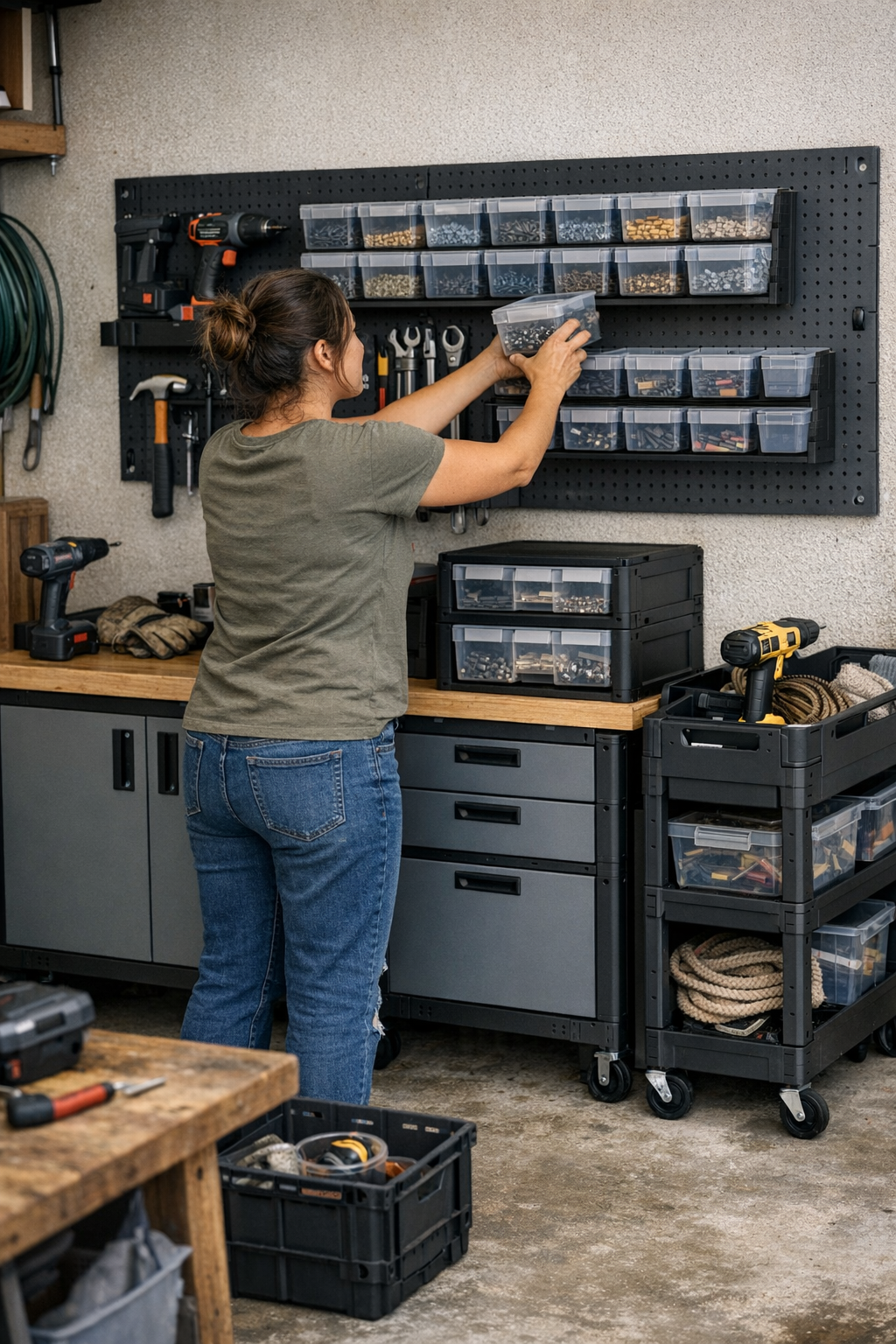
A real-life moment: there’s always that weekend job—the one where you fetch the drill from the wall, bits from a cart, fasteners in an overhead bin. Suddenly, every surface is hosting something, the cart blocks your walk, and putting things back turns into a small puzzle: “Which shelf did I grab this from? Was it this bin or that drawer?”
You start to hesitate. And the feeling lingers longer than you expect.
When More Isn’t Better
It’s tempting to treat every blank piece of wall and every empty corner as new frontiers for storage in your garage, workshop, or backyard utility area. But too many places to drop things—too many choices—blur the line between order and chaos. Floor space shrinks, pathways get blocked, and quick return trips become detours. What looks efficient on paper turns tedious and slow in practice.
The truth is, most routines thrive on comfort and repetition. You reach for the same tools, solve similar small problems, and go through a familiar reset dance. Each extra bin or stray cart just adds steps to the choreography. Instead of fluid movement from task to storage and back, you circle around obstacles, weighing tiny decisions that add up.
It’s not the gear holding you back. It’s the way it competes for your attention.
Rediscovering Clarity Through Less
Eventually, the answer is less dramatic than it sounds. I pulled one cart off the floor, lined up all the small hardware on a single pegboard, and charity-boxed containers I rarely used. It didn’t take an entire garage overhaul—just a small commitment to fewer, clearer landing spots.
The next project felt different. No dodging wheels, no pause-and-ponder over where to hang the clamps. Tools found their way home without argument. Over days and weeks, clutter pulled back, and quick resets became so normal I stopped thinking about them. It’s surprising what opens up when you stop making the same small choices over and over.
Making space flow easier wasn’t about losing things—it was about letting each tool, each job, slip into a rhythm of its own.
There’s a kind of peace in knowing exactly where things belong and finding your way back, project after project. I still wonder what else could change if I allowed more simplicity in my modular and mobile storage setup.
These thoughts came together during a quiet evening of rearranging in my workshop.