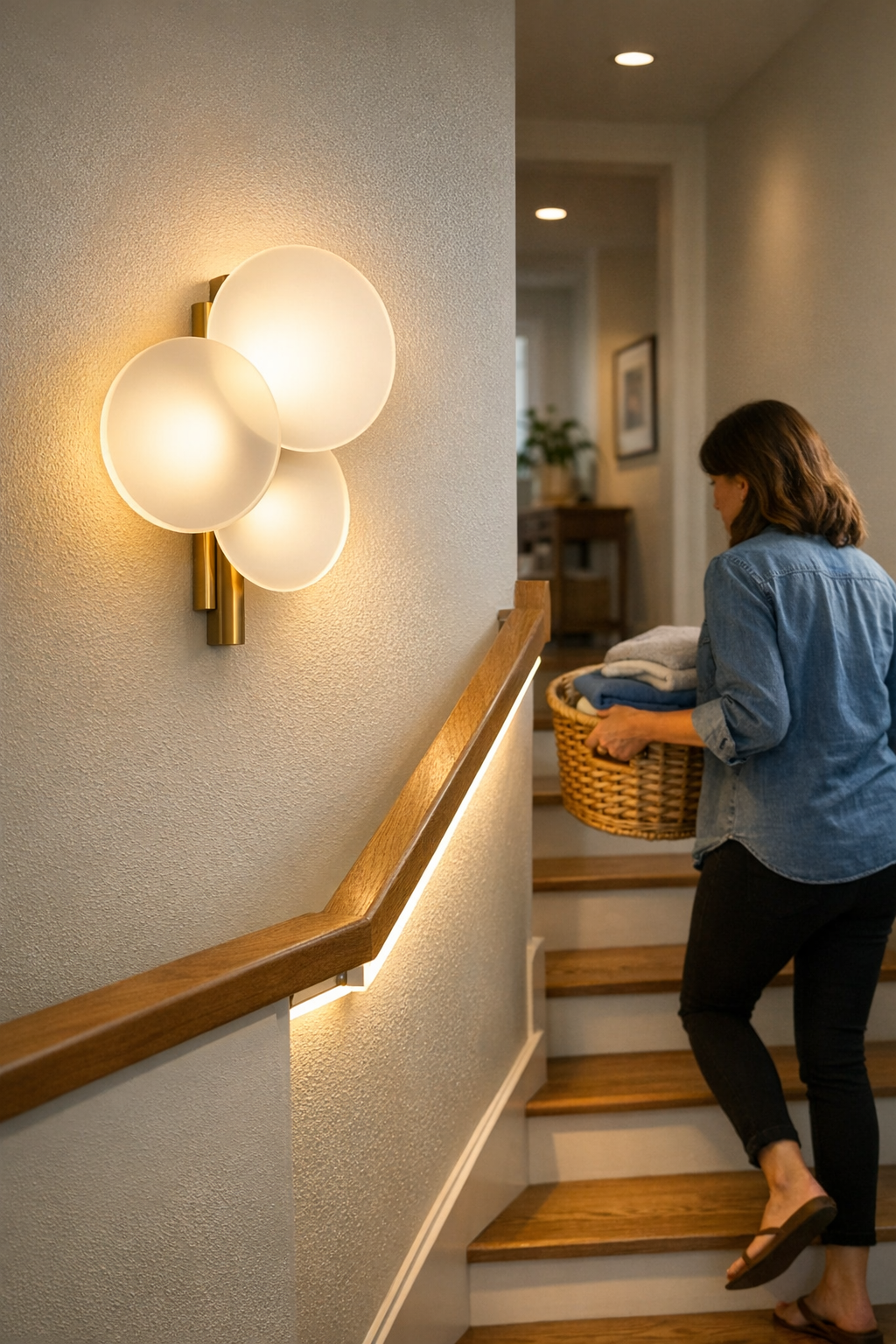
When Lighting Switches Interrupt Daily Flow
Plug-in accessory placement affects lighting convenience; subtle misalignments compound with use, so practical, habit-based adjustment matters most.
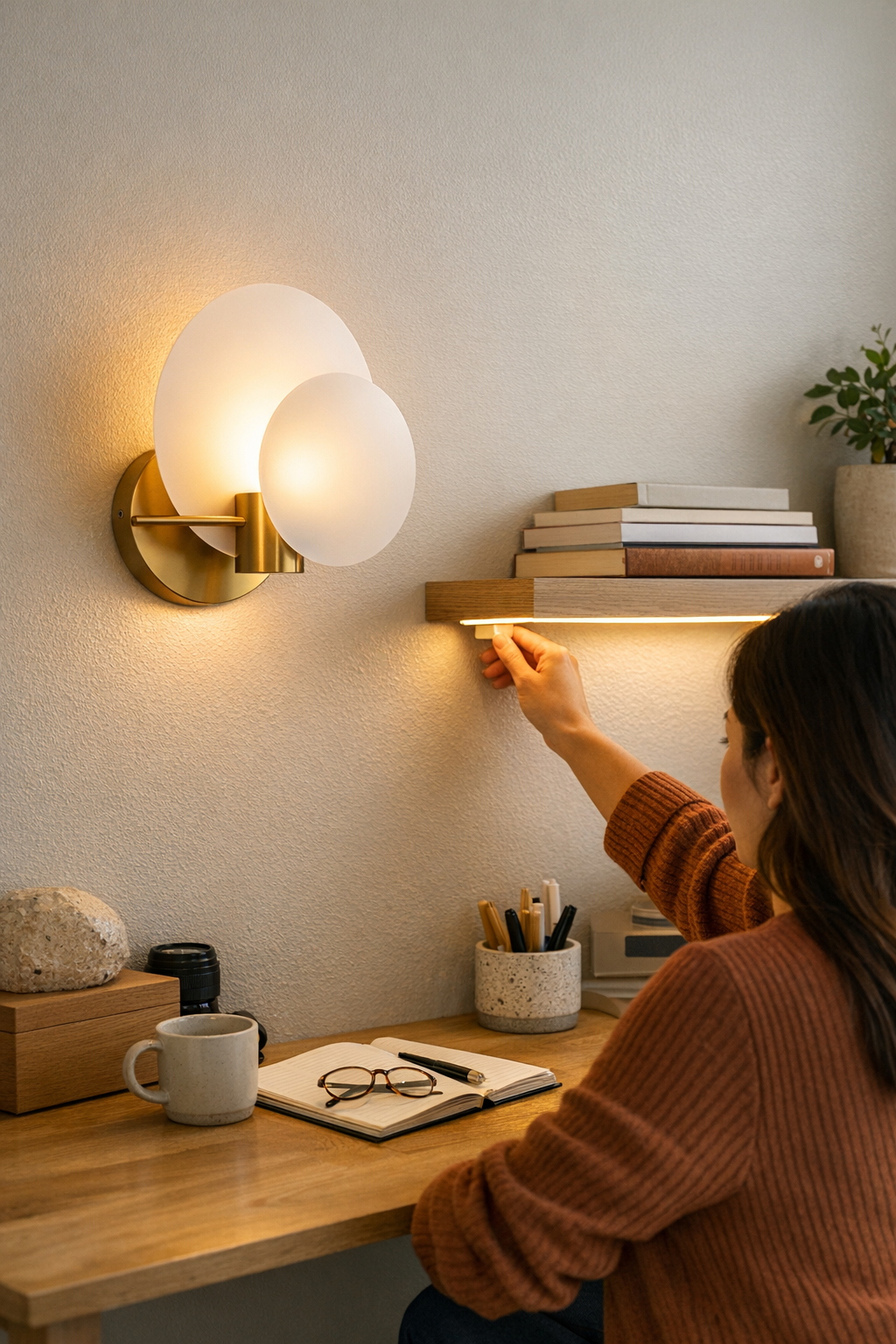
It’s easy to overlook the small details that disrupt your daily lighting routine—a cable snagging beneath your chair, a switch placed just out of comfortable reach, or a strip light that almost works perfectly but never quite does. At first, these issues go unnoticed. But every time I sat at my desk or leaned under the kitchen shelf, the same subtle inconveniences repeated: an unnecessary reach for a switch, shifting books, or sliding a lamp’s arm. After a while, these minor frustrations became hard to ignore.
The routines settle in quietly. Evening arrives; I return to the same worn seat, flicking the desk lamp on without needing to look. Until one day the lamp moved, a bracket shifted, or the inline switch of an under-shelf light slipped behind a curtain of cables and didn’t return to its original spot. Suddenly, the action isn’t seamless. The hand hesitates, the cable drags across papers. Days of this reveal that what looks tidy isn’t always comfortable in everyday use. This contrast between the way a lighting setup looks resolved and how it feels in practice is what I kept noticing.
Surfaces and Edges Where Habits Live
At first, minimal setups are visually appealing—cables neatly hidden, controls camouflaged, fixtures slim and low-profile. For example, an LED strip running behind books on a shelf looks clean when off. But in daily use, finding the switch often means moving things. Sometimes the inline controller is found easily by feeling for its cable; other times it slips out of reach, requiring an awkward stretch. It’s not obvious immediately, but you feel it.
These small frictions start as low-level inconveniences and slowly build. A lamp arm that rotated smoothly becomes frustrating when its cord tugs too short, dragging on the plug block on the floor. Visual clutter is one thing, but real friction—noticing cables pulling or balancing a lamp differently—is another.
The Small Shift That Lets Light Blend In
There was a simple fix: mounting the switch closer to where my hand naturally falls, centered along the forward edge of the shelf. Nothing fancy—just placing the control where I always reached without thinking. Suddenly, the light seemed designed for my routine, not just for appearances. No sprawling cables, no displaced books, no pause before sitting down. This small adjustment made the bracket feel supportive without getting in the way, and cable paths no longer crossed the work surface.
Most lighting supports and mounting setups follow this pattern. Success isn’t about hiding everything perfectly, but about aligning fixtures and controls with daily motions. When a desk lamp, under-cabinet light, or shelf light just works quietly and reliably, it creates a sense of calm.
What You Return to Again and Again
Some issues only reveal themselves over days or weeks. The moment you repeatedly reach or glance to adjust a cable hiding behind a lamp, or notice glare from a low-profile strip hitting a screen edge because a bracket is misaligned. Each tiny snag builds into a reason to fix the setup or change your routine.
This ongoing friction is what keeps me reflecting whenever I cross the room or open a book beneath the light. The most livable lighting setups are rarely pristine in appearance. More often, they are the ones where switches and supports stay within the habits you form. The difference is small but important—it helps lighting recede quietly into the background of everyday use instead of becoming a constant interruption.
If you ever want to see how different setups feel over time, you might notice a few here: http://www.lightsupport.myshopify.com