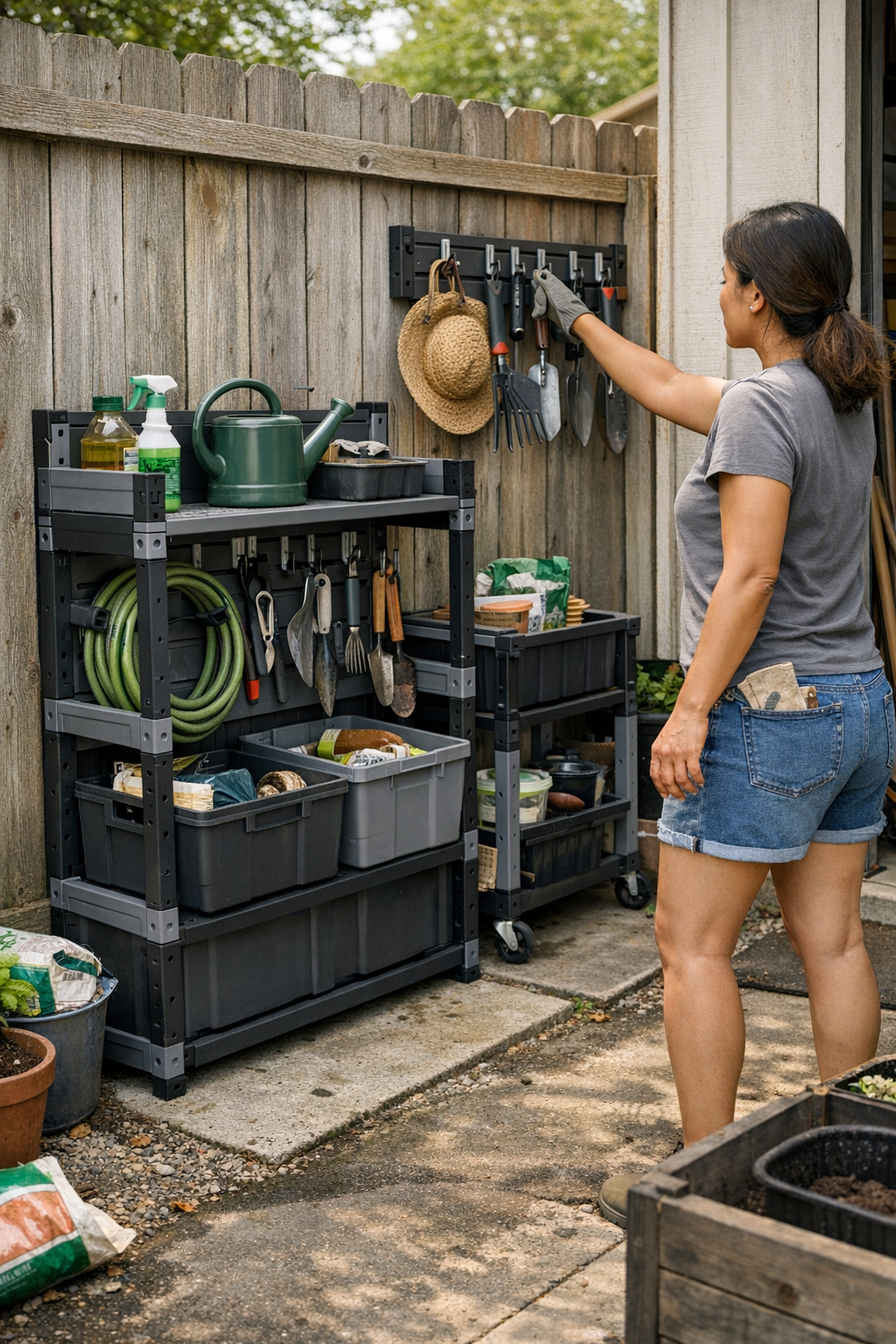
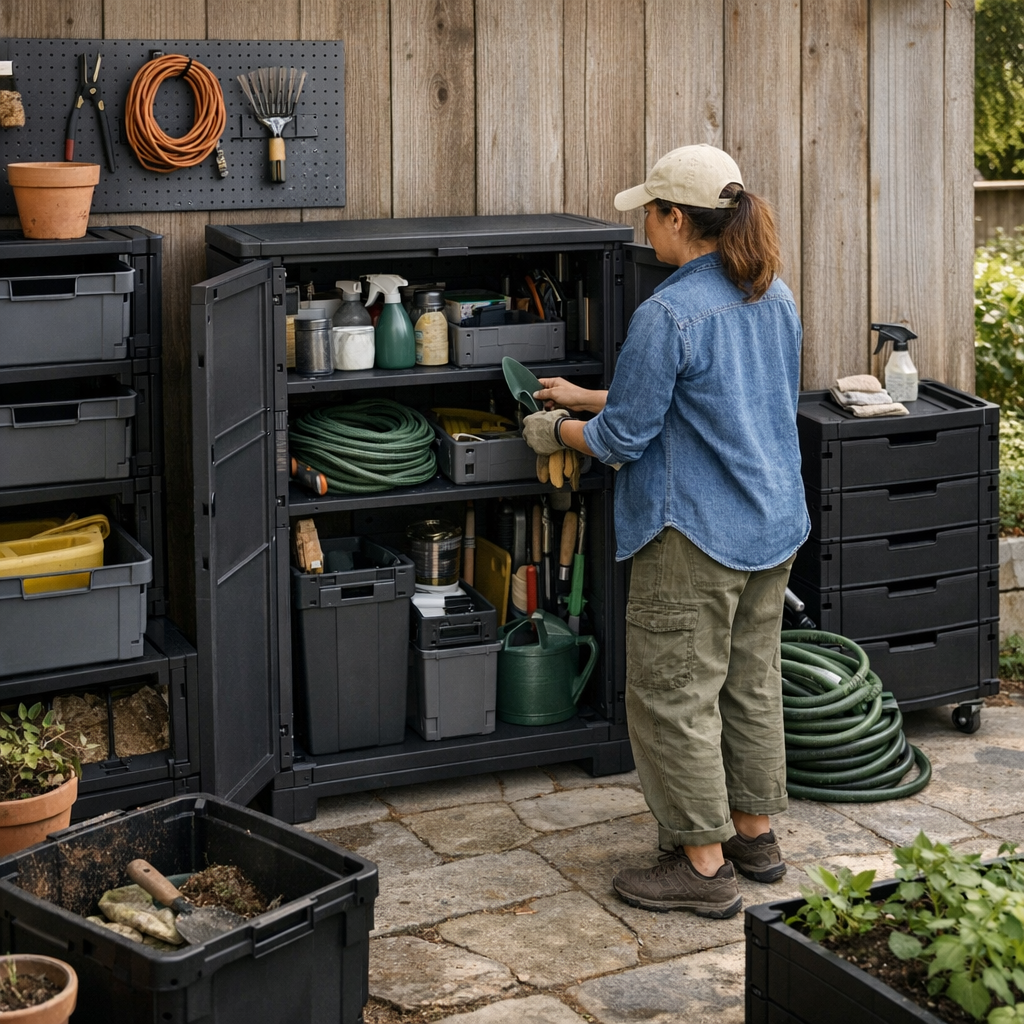
When Order Fades: The Quiet Struggle of Everyday Storage
Ongoing tweaks reveal if a storage system stays stable through daily use by building clear lanes, gaps, and anchors, reducing fixes and wasted space.
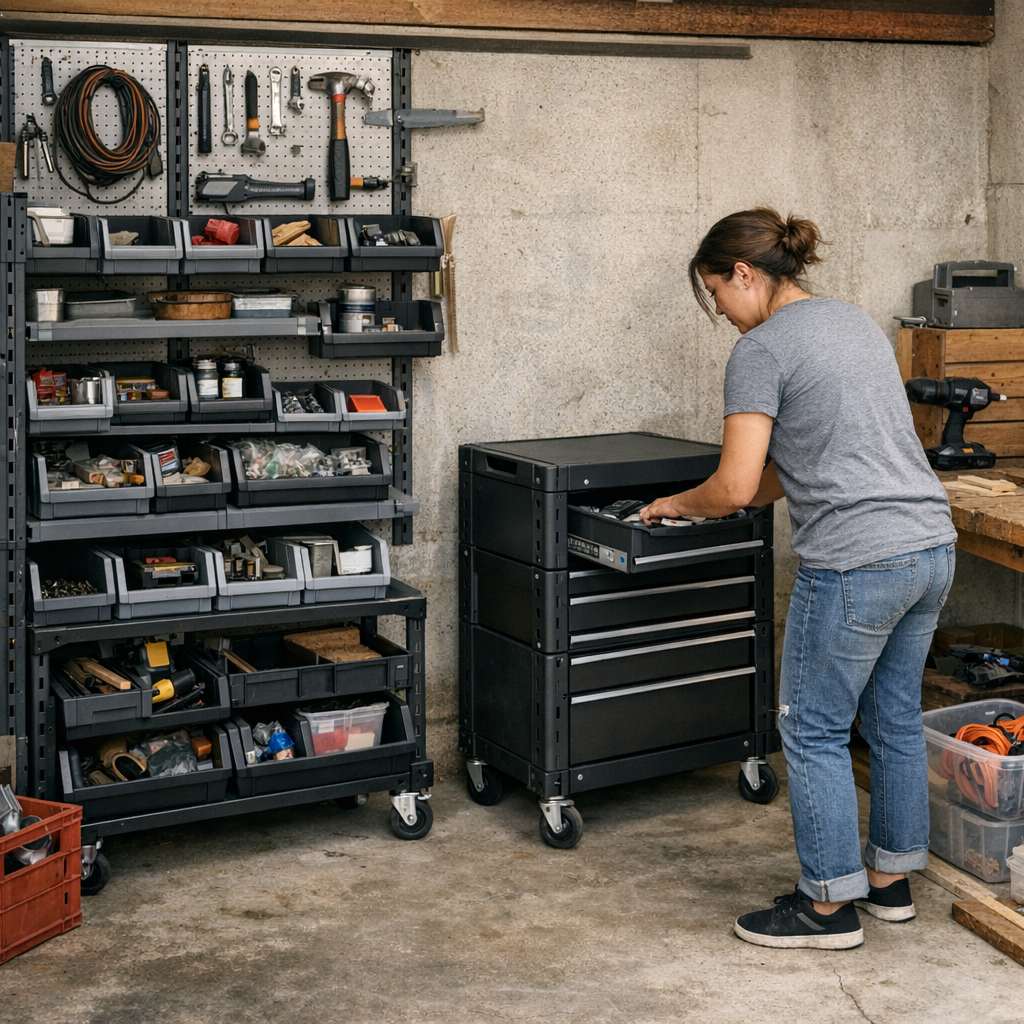
On the first day, everything sits perfectly in its place. Bins aligned, shelves glinting in their newness, and a quiet satisfaction settles in. Setting up a fresh modular storage system in your workshop, garage, or backyard utility space feels intentional and ordered. But time has a way of exposing the small details the instruction manual can’t anticipate.
It’s easy to fall for the calm order of a new setup. Mobile racks, wall-mounted shelves, and floor-based storage promise clarity—a future free of clutter. But the real test comes later, in the small habits we repeat. In cycles of returning tools, searching for parts, loading and unloading—these spaces reveal who they’ll truly serve. The gaps, the clearances, the flow—these soft but crucial edges matter, even when they’re hard to notice at first.
When Order Unravels Slowly
You don’t notice it immediately. Days pass in the garage or workshop, and the system holds. Tools glide back to their homes. Bins slide in and out. But somewhere between intention and routine, the seams start to slip. A shelf nudges out of line. A mobile cabinet inches forward. Maybe a fastener goes unreturned and, almost quietly, friction creeps in.
One bin set slightly askew multiplies the time spent searching. A once-clear walkway narrows. What looked perfect on day one now demands constant tweaks, and sometimes, just keeping up feels like the main task. It’s rarely dramatic. But you feel it.
The Surprise Power of Small Adjustments
I remember a time in my own workshop when movement became awkward—rolling out clamps, squeezing past open drawers, nudging carts so they’d clear a new stack of bins. It all worked, technically. But it never felt smooth.
One afternoon, frustrated by a jam near the wall storage, I shifted the main chest just six inches away from its original spot. The change was so minor at first that it seemed wasteful. But instantly, everything opened up. The cart rolled cleanly. Bins slipped into place without bumping. That empty-seeming gap became the quiet solution I didn’t expect.
Sometimes the most sustainable order includes room for mess—the tolerance for drift, the permission for small, inevitable shifts. True organization in small-workspace setups flexes with how we move, store, and return gear.
What Lasts Isn’t Always What Looks Finished
It’s natural to max out every inch of space, to crave that Pinterest-worthy “perfect fit.” But perfection is brittle. The systems that last aren’t packed tight—they’re built with return paths and buffers against daily disarray.
Fixed shelving resists change but doesn’t adapt easily. Modular layouts invite flexibility, but they need anchoring, or that flexibility turns into constant work. Adding one more bin, filling one more gap, can block what matters most: the freedom to move, access, and return items repeatedly without resetting.
More than once, I’ve stared at a wall of storage realizing that success isn’t the absence of clutter, but the ease with which things fall back into place after a normal day’s use.
True organization feels like invisible support. It’s rarely about appearances. Most of the time, it’s about making small spaces feel open again and again—no matter how much passes through.
These thoughts stayed with me after a quiet afternoon spent reorganizing a corner of my workshop.