When Organized Spaces Start to Feel Like Extra Work
Stacked drawer units look orderly but often shift with use, causing jams and category mix-ups; anchored frames keep order and reduce daily fixes.
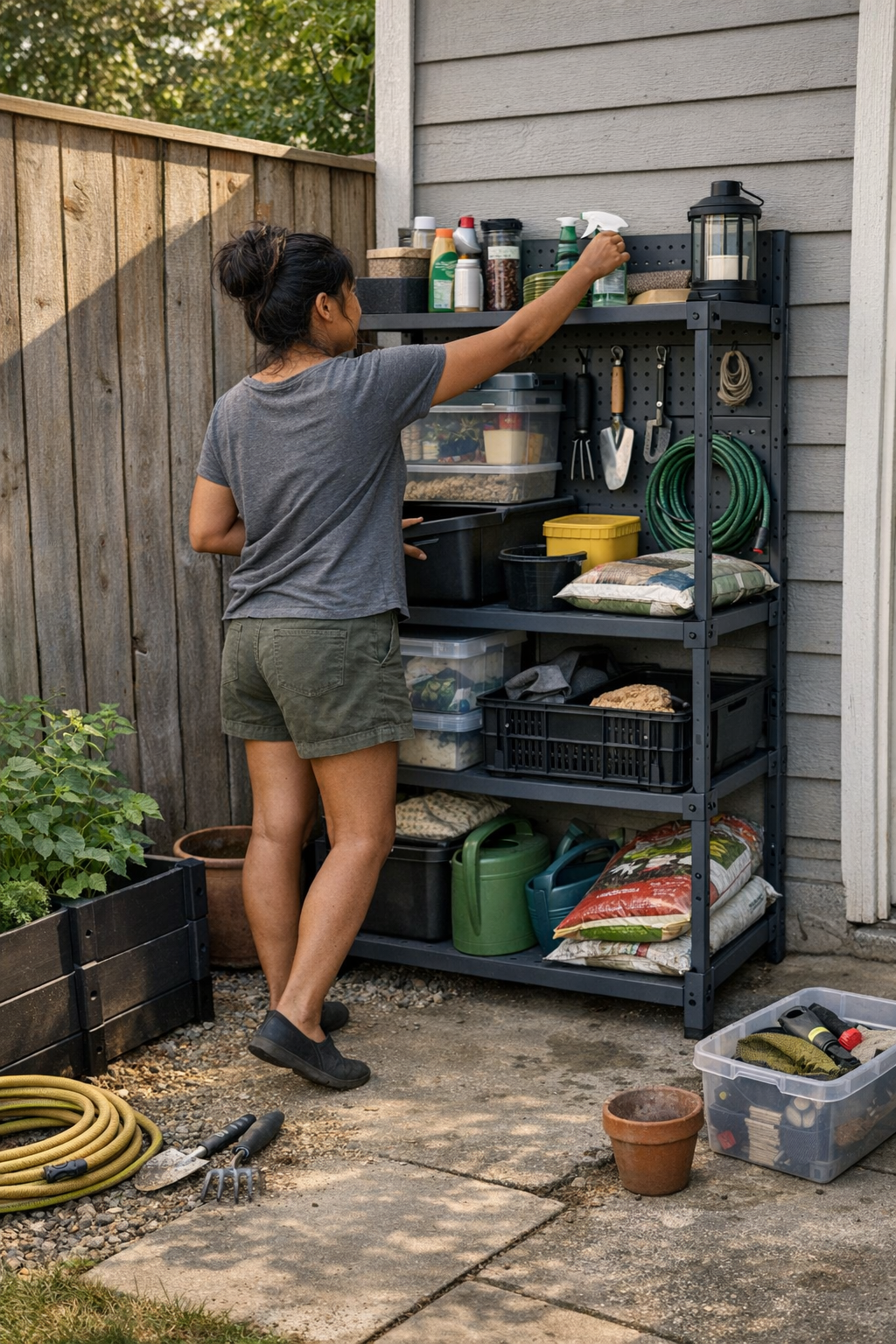
It doesn’t happen all at once. In the beginning, the tidy lines and crisp sections of a stacked drawer unit create the hopeful sense that everything might finally stay in place. Especially just after moving in or reorganizing—a clean slate, every item clearly sorted. But after a week or so, when the rhythm of actual use settles in, you start to see what really holds up.
The angle of one drawer shifts slightly. The boundary between categories blurs at the edges. Someone—maybe you—has rushed in and out, and suddenly, the simple act of opening or closing a drawer becomes less smooth. You don’t notice it immediately. But you feel it.
Stability Versus Flexibility
There’s an ongoing tension between stacked drawer towers and anchored modular systems. Stacked towers offer quick flexibility; you can shift or restack them when a new category appears or priorities change. Initially, that feels practical. But with repeated use, misalignment creeps in: drawers begin to stick or sit unevenly, items slide or get pushed up against edges, and clearly divided categories start to overlap. It becomes an extra chore—correcting or realigning a drawer before you can finish with it.
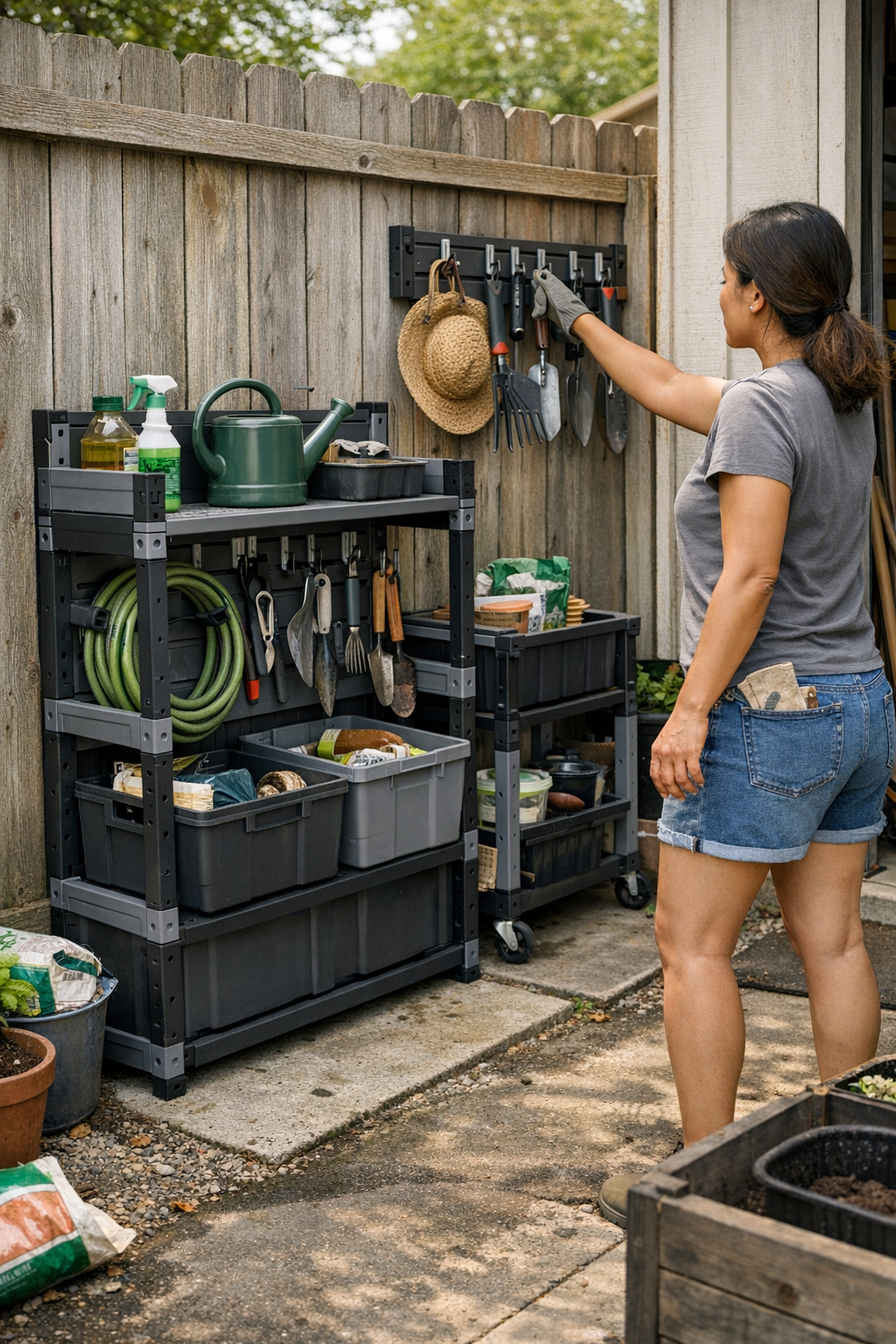
Anchored frames—whether wall-mounted systems, fixed modular units, or built-in shelving—require more commitment up front. They’re not as easy to adjust on a whim. But their stability grows more valuable over time. Categories stay separated, drawers remain straight, and no matter how rushed you are, the system holds its line. That was the part I kept coming back to.
The Real Shape of Everyday Use
Mornings become rush hour for storage zones. Multiple hands move quickly, retrieving things and returning them half-finished. One hasty shove can set off a chain reaction—a drawer sticks, an off-kilter tower forces you to tug at a lower drawer, or socks slip from one section into another. The “quick grab” feels less quick when you’re pausing to gently realign a stack or dig into a crowded corner. It doesn’t take much for a system to need a reset; a few imperfect returns, and categories drift, forcing full restacks or midday sorting just to maintain order.
This drift sneaks up on the space and becomes most noticeable on busy days when you’re ready to move on but hit a temporary roadblock—tilted stacks, crowded drawers, or category spillover. That creeping friction grows, almost becoming part of the routine.
How Anchored Structure Quietly Helps
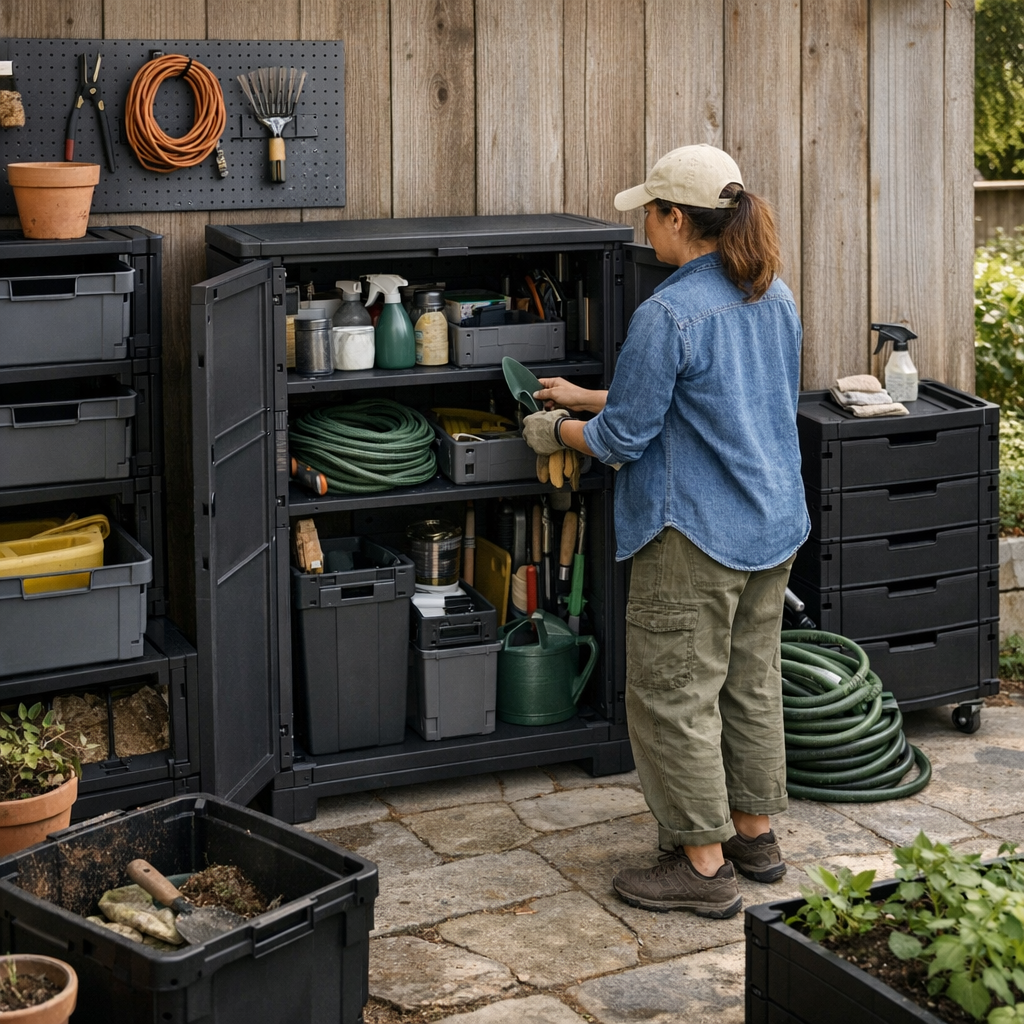
Switching to a framed, anchored system changed the background noise. I still rush; drawers get crowded and out of place. But now, drawers glide smoothly, and categories stay in their lanes, even under uneven use. The moments spent fixing or untangling piles gradually disappeared without extra planning. I realized I was thinking less about keeping the setup in order—it simply stayed that way, less because of constant effort, more because of the unit’s structure.
Maybe that’s the lasting difference you feel long after setup: organization that doesn’t require constant repair, that quietly absorbs real routines instead of demanding perfection. Drawers don’t drift. Categories don’t blend at the edges. And over time, the system just keeps working, with a little less friction each week.
If you want to see what that can look like, there’s a bit more here: http://www.gridry.myshopify.com