When Outdoor Storage Becomes a Daily Household Challenge
An outdoor storage system’s impact depends on placement matching movement patterns, turning friction-filled spaces into workable, low-maintenance ones.
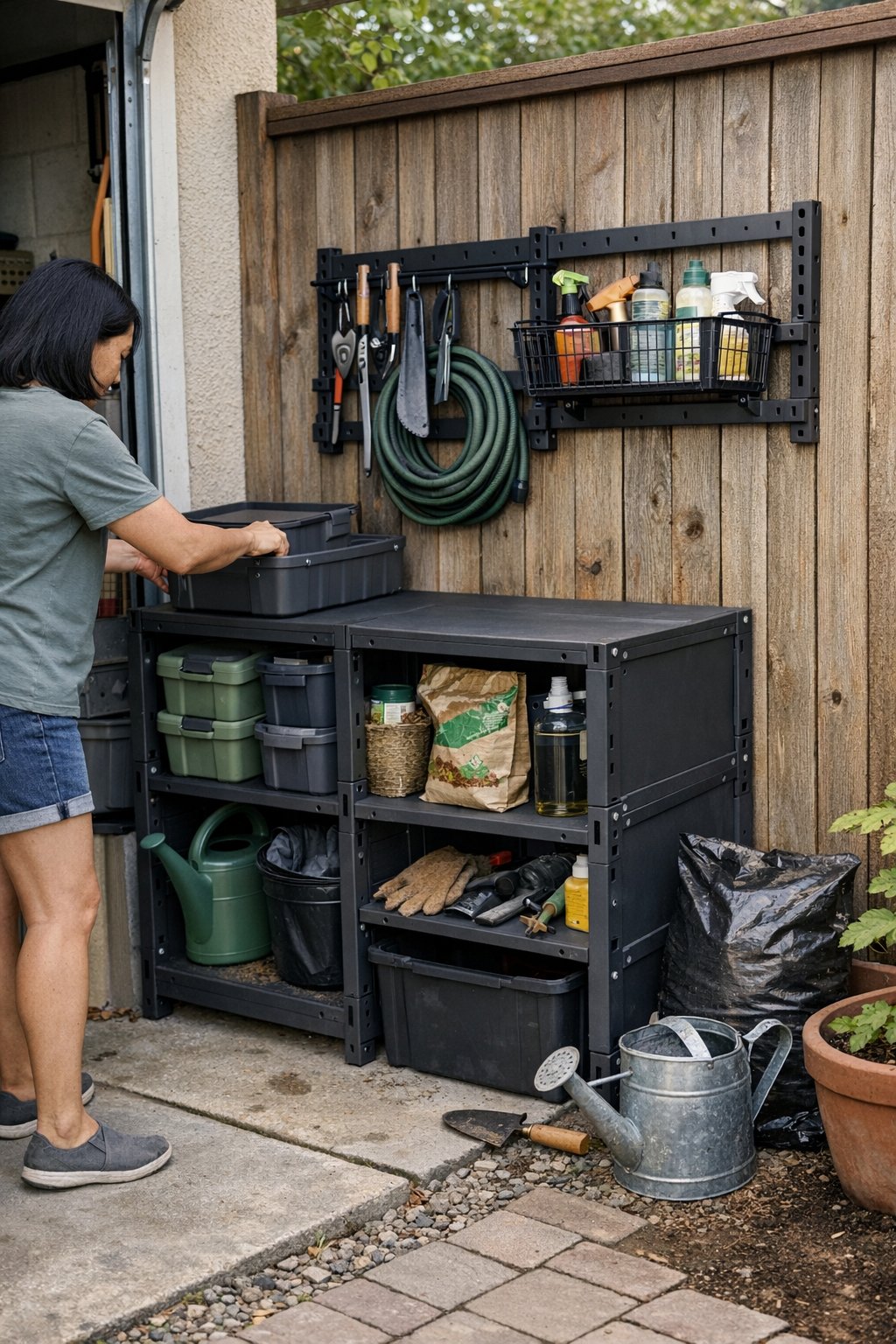
There’s an odd satisfaction to organizing a shared outdoor space, a quiet reward every time things flow just a bit more smoothly. But it also means noticing immediately when the setup isn’t quite right. Shoes pile up in walkways; gloves reappear hours later balanced on a hose reel. It’s not just about mess—sometimes, it’s the slow frustration of watching a nearly-functional system unravel under the pressure of everyday routines.
Outdoor storage quickly becomes a practical teacher. Often, you don’t realize where the pain points are until they show themselves in use. Someone sets a rack near the back gate, and suddenly bikes block the narrowest part of the path. A chest for garden tools seems sensible—until it interrupts the direct line to the yard, and returns turn into a careful dance around corners and clutter. The gap between “tidy in theory” and “smooth in practice” can open fast.
Where Things Start to Unravel
What I kept coming back to was movement—not the occasional tidying up you plan for once a week, but all the small motions in between. Bikes, gloves, and tools trailing behind whoever comes last. At first, you don’t notice it. But it’s there: routines quietly bending paths, subtle detours taken whenever a bin gets wedged in the wrong spot.
That’s really where the system starts to slip. It’s not the moment the rack is placed but the first time someone tries to use it quickly and finds it just out of easy reach. Set a bin too close to a regular walking route and it becomes a pileup point; too far, and items stop getting returned altogether. Surprisingly, it doesn’t take long—sometimes just a handful of Saturdays and weekdays for habits to reveal what doesn’t work.
The Quiet Shift That Makes Everything Work
Things changed after one simple adjustment. Bringing a main storage rack right up to the natural entry point made hanging items almost automatic. No reminders, no shuffling—just a gentle nudge in the right place, and the usual pileup started thinning out. Moving a large box a little further off the main path also helped. The goal wasn’t to cover every possibility, but to make passage feel easier, less forced.
The surprising thing is that placing the most-used items closest to the routes people already take meant less work, not more rules. Sometimes it meant revisiting the setup after a while and shifting things around when a new bottleneck appeared. Spaces that can move with you—even by a few inches—seem to stay calmer. There’s relief in not needing to start over, just a gentle adjustment when a familiar problem returns.
What Holds Up, Quietly
In the end, it’s not ambitious storage towers or complex wall grids that keep a shared yard running smoothly. It’s the small freedoms: being able to shift a bin, let a rack travel a few feet, or notice where everyone’s habits actually carry the clutter. The things that make it easier to return something after a rushed weekday or a tired Sunday afternoon count more than a perfectly staged photo.
I’ve found the setups that work best aren’t always the cleverest. They’re tuned to the rhythms that really happen day after day—even if those rhythms are unpredictable. Sometimes all it takes is watching where footsteps naturally pause to see what needs to move next.
These moments often surface when I’m wandering back through the yard, thinking of ways to make things a little less complicated: http://www.tidyyard.myshopify.com