When Outdoor Storage Becomes a Quiet Daily Struggle
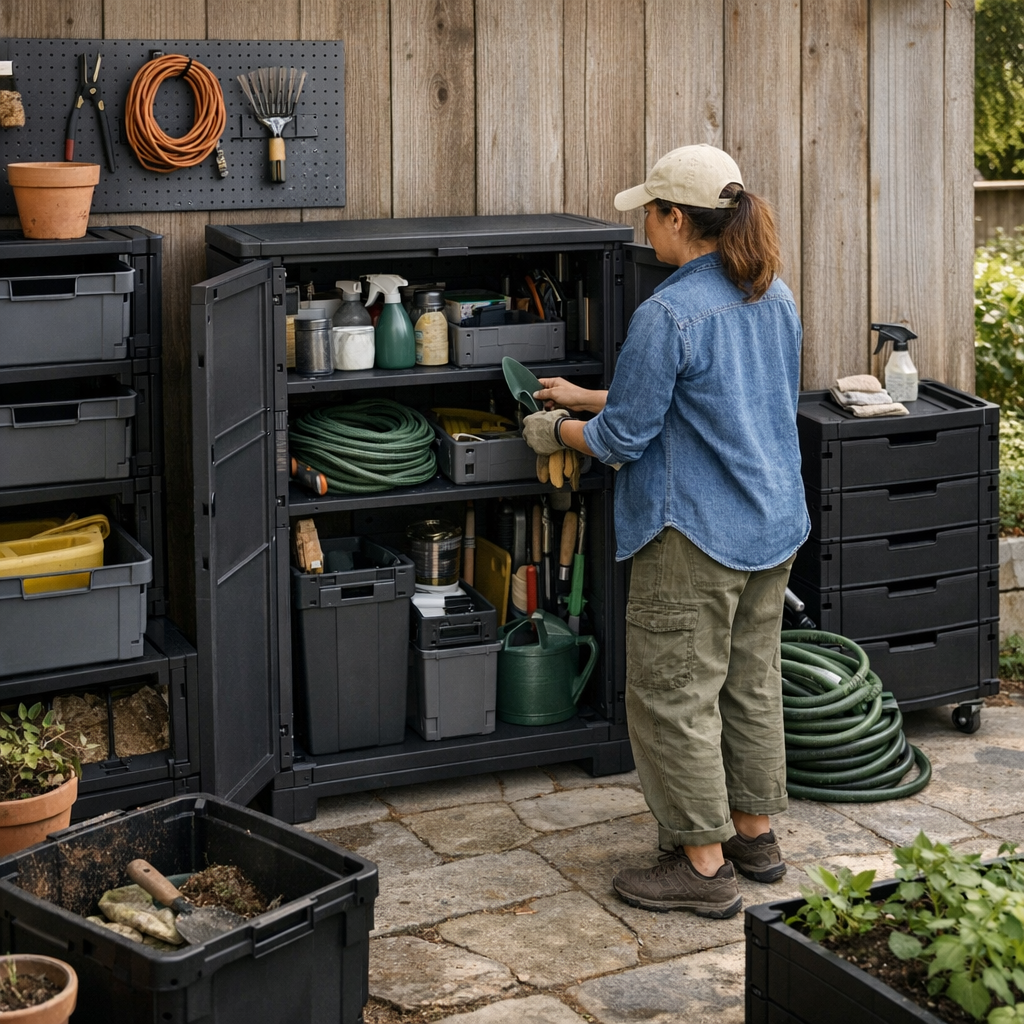
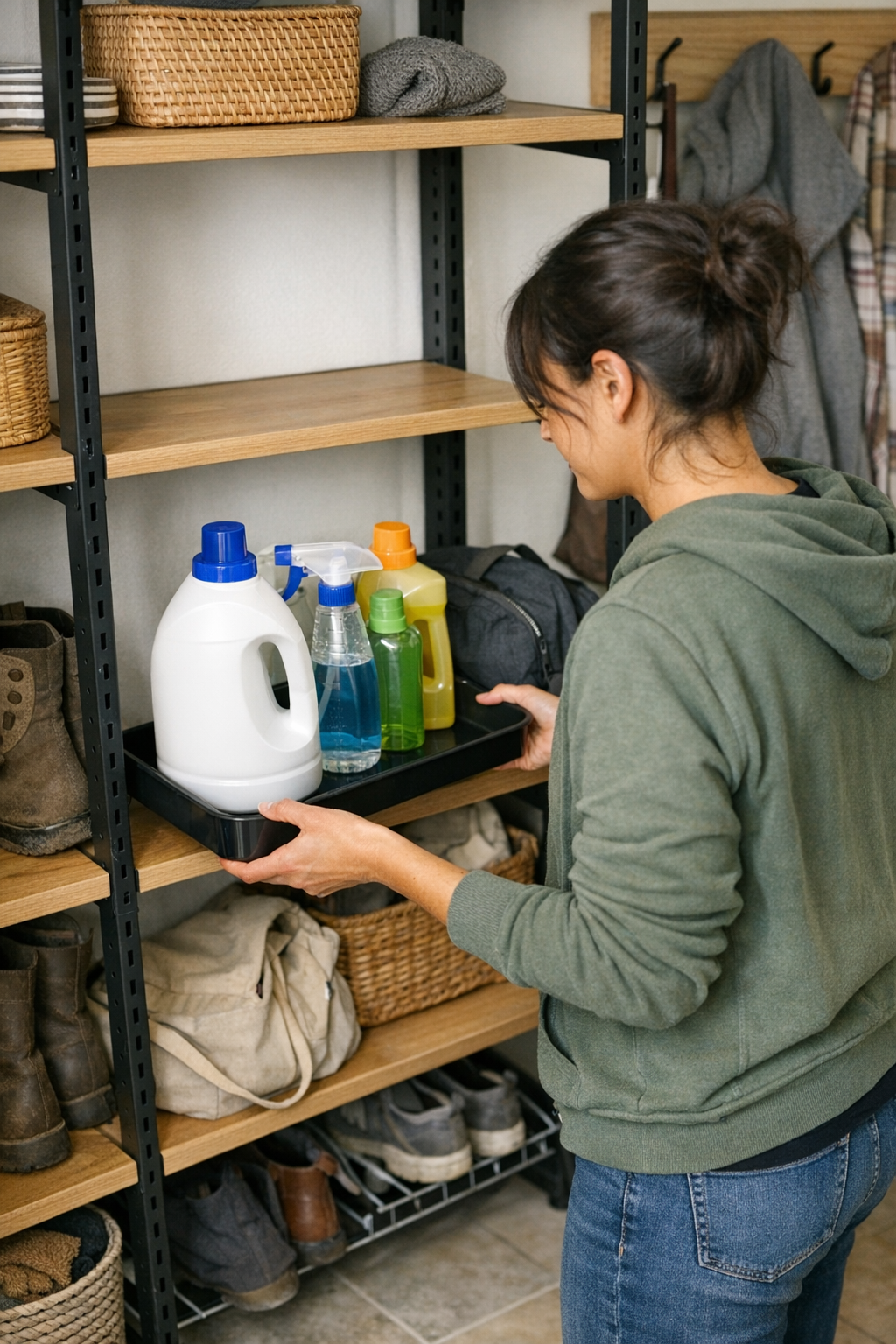
A modular wall or zoned outdoor storage eases repeated use, reducing clutter and spills, making daily returns faster and cleanup simpler.
There’s a quiet moment each afternoon when I drop my gloves by the door and glance at the side yard. The tools are where I left them. Some days, the space feels effortless—other times, it’s as if things have quietly multiplied. Over time, I noticed how the way I keep things—bins, hooks, shelves—shapes not just the yard, but how I physically move through it and reset after each use.
For years, I leaned on oversized storage chests for everything: hoses, rakes, that old extension cord. It was an easy answer. But after a week of gardening and staggered little chores, that “everything away, lid shut” approach proved less like a solution and more like a pause button on an unseen clutter buildup. The pattern kept repeating. Gear piled up in odd corners. Mud crept in, especially after rushed evenings. I started to wonder what it would feel like if every return—each tool, each small job—had its own clear, accessible spot.
The Familiar Mess Behind Closed Lids
At first glance, a storage chest promises instant neatness—everything vanishes from view. But that order is thin. The real challenge emerges later, fishing gloved hands through cold layers of tangled hoses and damp tools. Each shortcut from yesterday slows you down today.
You don’t notice it immediately.
But over time, each awkward moment—nudging open a lid with your foot, searching for the pruning shears—reminds you that organizing isn’t the same as storing. I kept coming back to the small ways friction builds up, turning a supposed solution into a daily reset burden.
Rethinking Storage as Flow, Not Volume
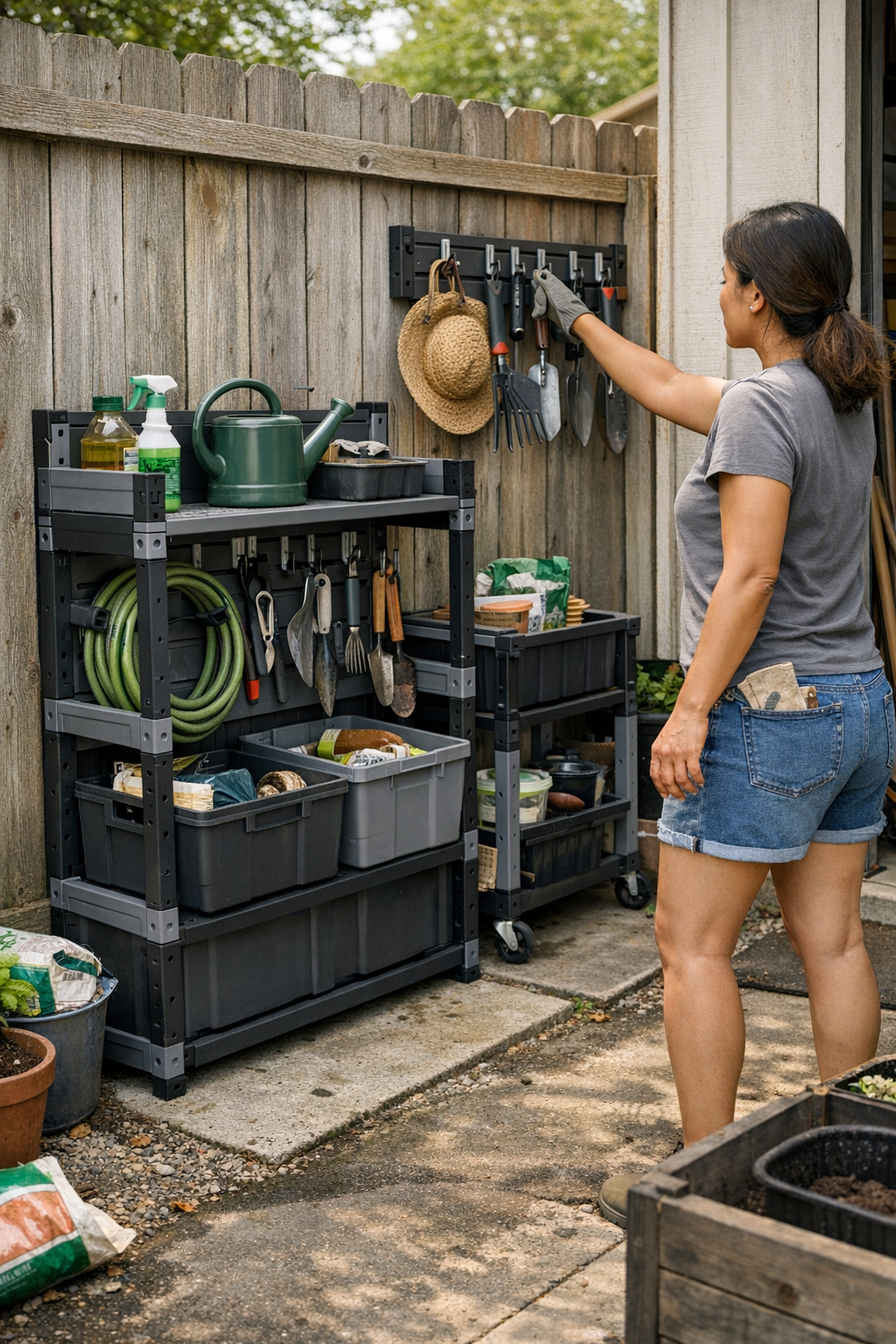
Swapping trunks for wall-mounted panels felt like an experiment, not a fix. I hesitated, picturing hooks and rails as fussy, maybe a bit exposed to weather. But something subtle changed: after a few days, my routines felt cleaner. The simple act of returning a shovel or hanging a spade on a visible hook lowered the bar for putting things away. There were fewer excuses to “just toss it somewhere.” Less build-up. No more crouching, fewer tools hidden in corners.
That was key: splitting storage by use—a low shelf for bulky items, hooks for everyday gear—not only defined clear places but reduced the friction in the return flow. The mud and small debris had fewer hiding spots, and the line between “in use” and “put away” became almost self-explanatory. There’s a quiet relief in that.
Small Edges, Lasting Ease
Finding what works outdoors isn’t about perfection or aesthetics, but about what lasts quietly through repeated use. Outdoor shelves and panels will age—weather changes, fasteners need seasonal checks—but when each tool has a dedicated spot and the rest remains visible, the reset process becomes faster. The fatigue of small repetitive tasks fades into routine instead of resistance.
It’s not about a pristine setup—rain and soil are always waiting. But there’s comfort in setups that reset themselves, even on busy or forgetful days. In small yards, a single shelf below the wall, just enough for overflow, makes all the difference. The storage footprint stays manageable, and the area never quite slips back into chaos. This simple, repeated pattern matters most when you aren’t actively thinking about storage at all.
These thoughts settled in while tweaking a few things in my own side yard and quietly exploring ideas here: tidyyard.myshopify.com