When Outdoor Storage Shapes the Flow of Everyday Life
A wall-mounted storage system outperforms standalone units in small yards by improving flow, reset speed, and reducing clutter buildup.
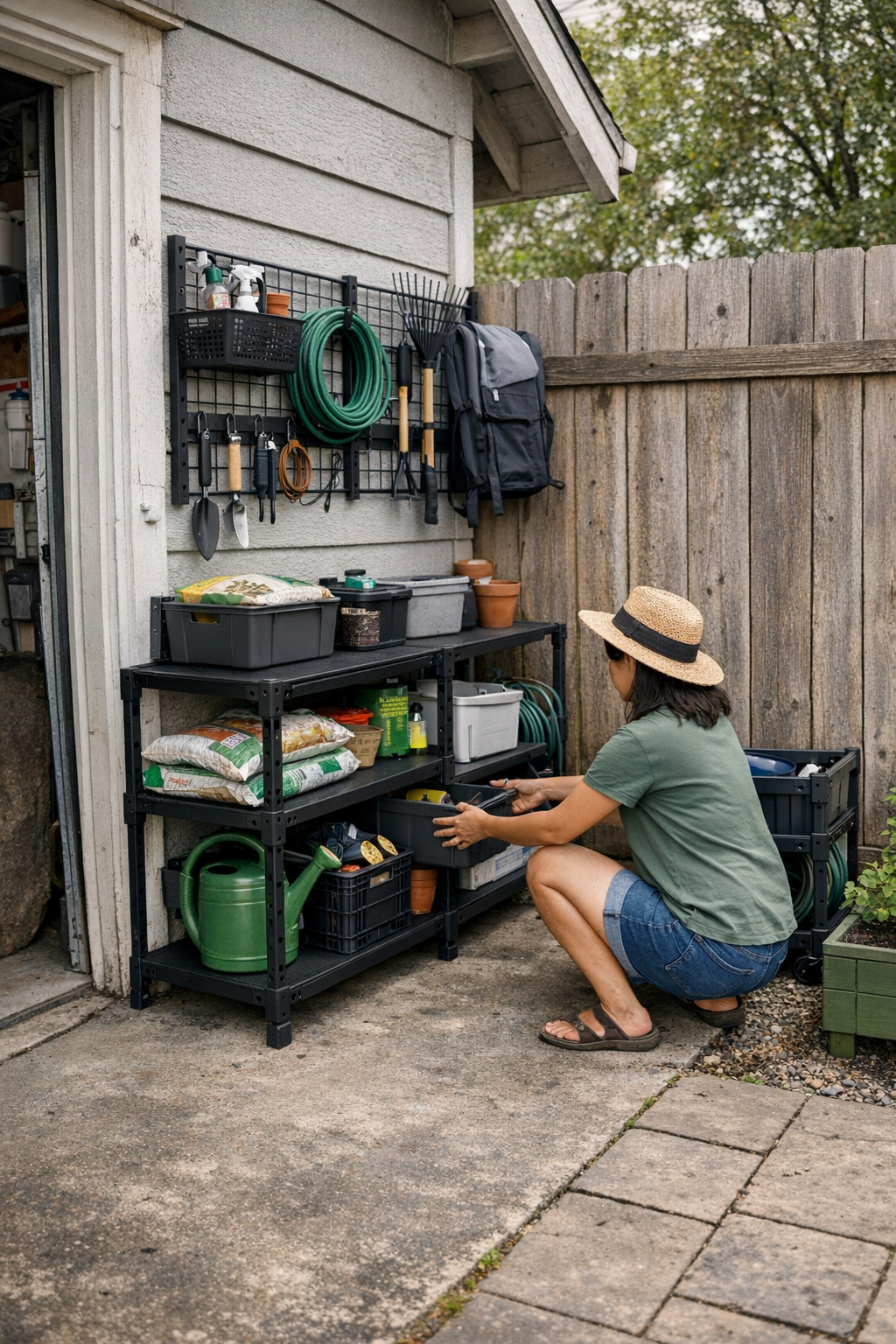
It doesn’t always happen right away. One minute the patio is clear, or at least passable. Then, as the weekend runs its course, a rake leans into the path, a forgotten ball claims a corner, and what was once open slowly becomes layered with things that landed there just a moment too long. I kept tripping, literally and mentally, over the same tools by the garage—no matter how often I tried to tidy up.
That part kept nagging at me. I used to think the problem was simply not having enough storage. More bins, more boxes, another sealed chest against the fence. But in a small, multi-use yard, the clutter kept creeping back. Floor space disappeared, walkways narrowed. It started to feel less like a storage issue and more like something misunderstood about the way things needed to move, not just where they were supposed to end up. Somewhere in that slow give-and-take, the difference between wall-mounted and standalone storage stopped being just a matter of taste.
How Things Drift
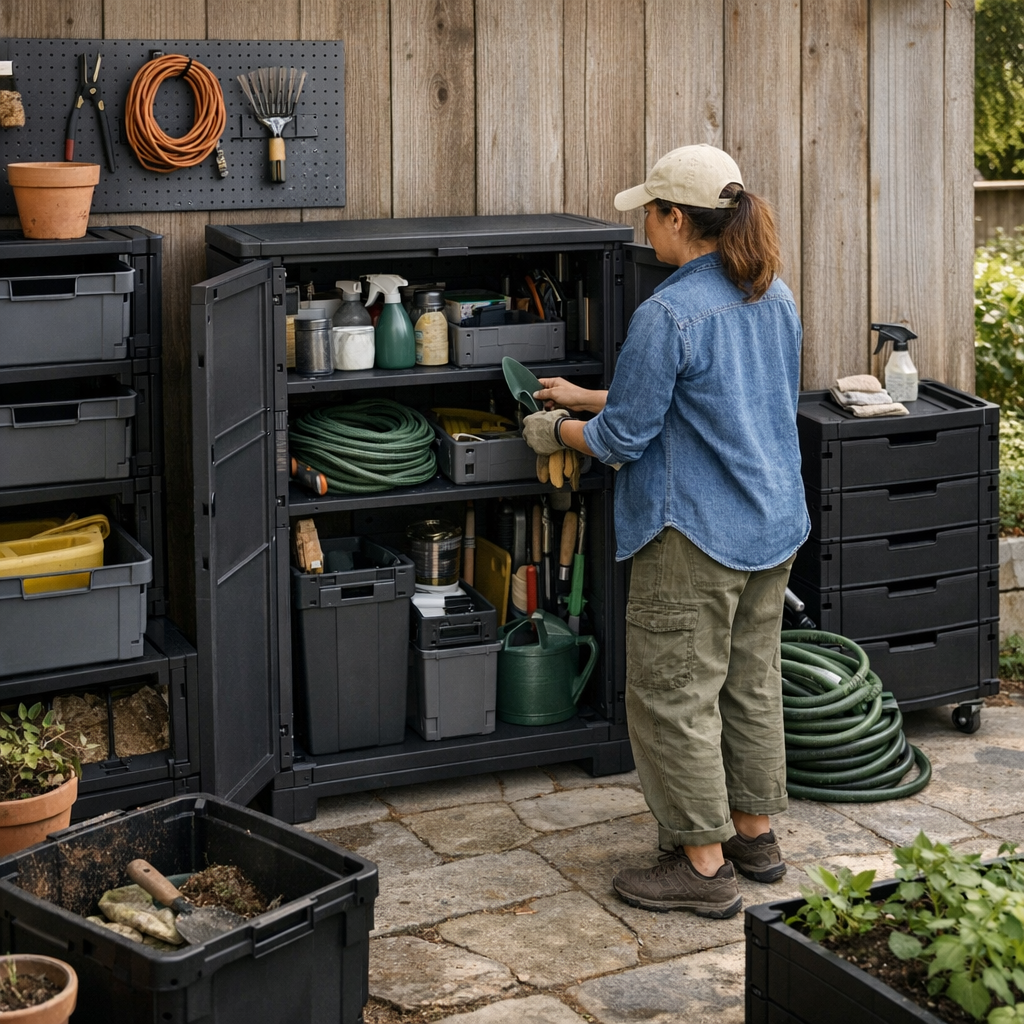
Clutter accumulates quietly; it doesn’t announce itself. In theory, putting things away should bring clarity, but every reset seemed a little slower, a little less complete. Standalone storage boxes promised protection, but by the third week, small piles clustered right outside their doors—a subtle moat of overflow that made even opening the lid feel like a hassle.
You don’t notice it immediately. But you feel it. Especially in spaces that double as a tool zone, a play area, and a shortcut to the car. The structure that should guide things back into place seemed to resist routine. Overflow became the routine. It no longer felt like a lack of discipline but a silent mismatch between how the yard lived and how the storage worked.
The Quiet Appeal of Walls
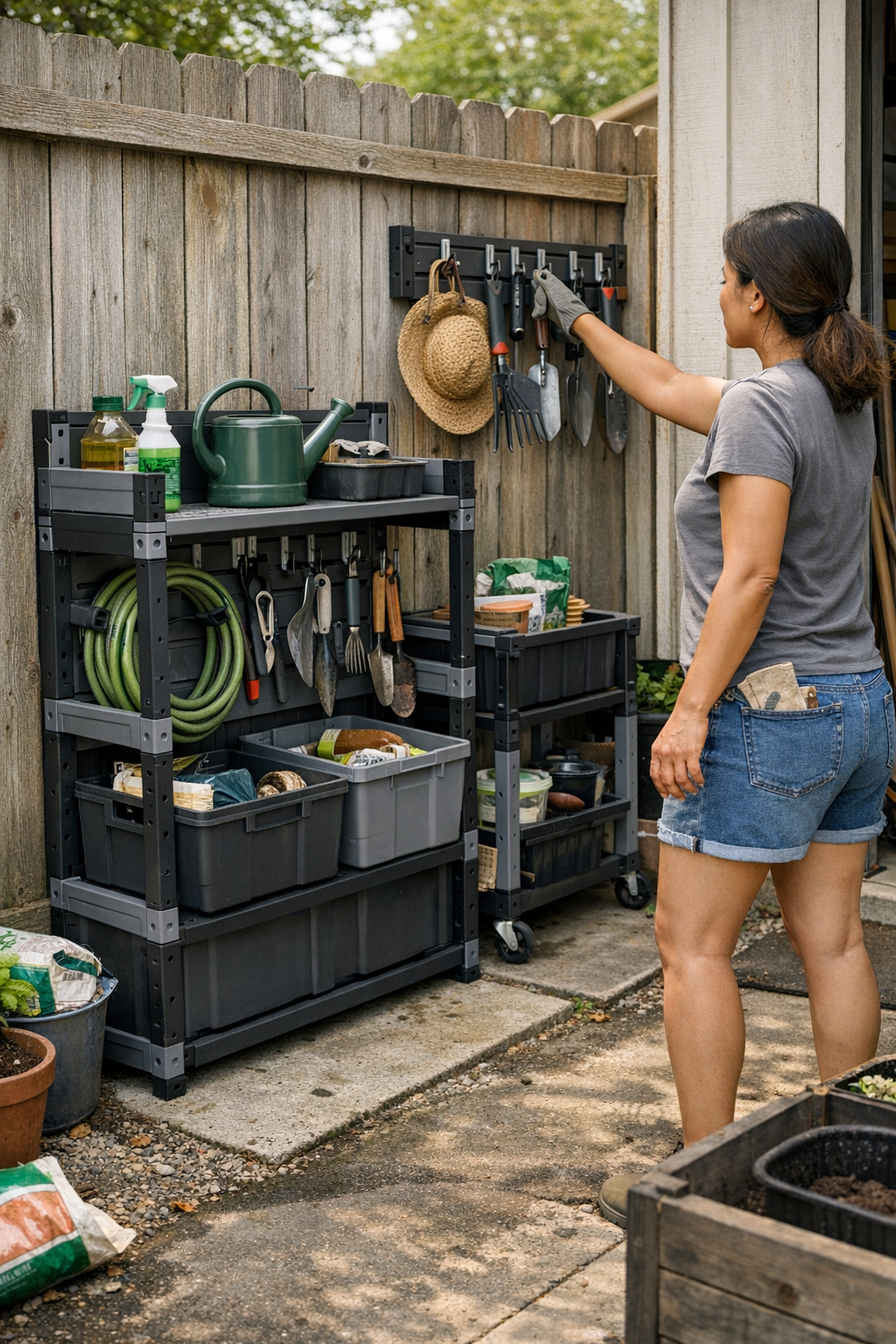
There’s an overlooked comfort in seeing what you use most right where you need it. It isn’t about showing off; it’s about smoothing the return path—removing reasons to leave things out. When I finally tried a wall-mounted system, I didn’t expect much more than a tidier appearance. But the feeling was different. Hooks and shelves cut down those little hesitations—no doors to clear, no heavy lids.
Things found their place almost by muscle memory. Wet tools dried instead of moldering. Chairs and hoses came and went in a loop that didn’t stall. The reset was faster. There was gentle relief in not having to dig for things or make space to use the storage itself. Movement lines stayed open, and even on chaotic days, the clutter buffer just didn’t form the same way.
It isn’t always dramatic, but after a stretch of changing weather and shifting uses—planters in, soccer nets out—the value settled quietly. Being able to rearrange the wall, to slide hooks and add bins as the space evolved, made everything a little easier to live with.
Redefining What “Enough” Looks Like
I used to be drawn to the idea of maximum capacity, some giant box that could hold everything at once. In practice, it never worked out that way. The lid stayed closed, and “just for now” became days on end. That was my gentle refresh: storage that fits how things actually move, not just the biggest number on a spec sheet, creates a space that stays usable longer.
If you find slow resets, piles beside the bin, or blocked paths haunting your weekends, sometimes it’s not about needing more storage at all. Sometimes it’s about letting storage adapt—to help the yard breathe as life seeps back in.
Some of these reflections came together while browsing for better fits in places like TidyYard.