When Quiet Fans Start to Rattle at Home
Regular maintenance of ventilation fan attachments ensures efficient air cleaning and equipment longevity by addressing noise and suction issues early.
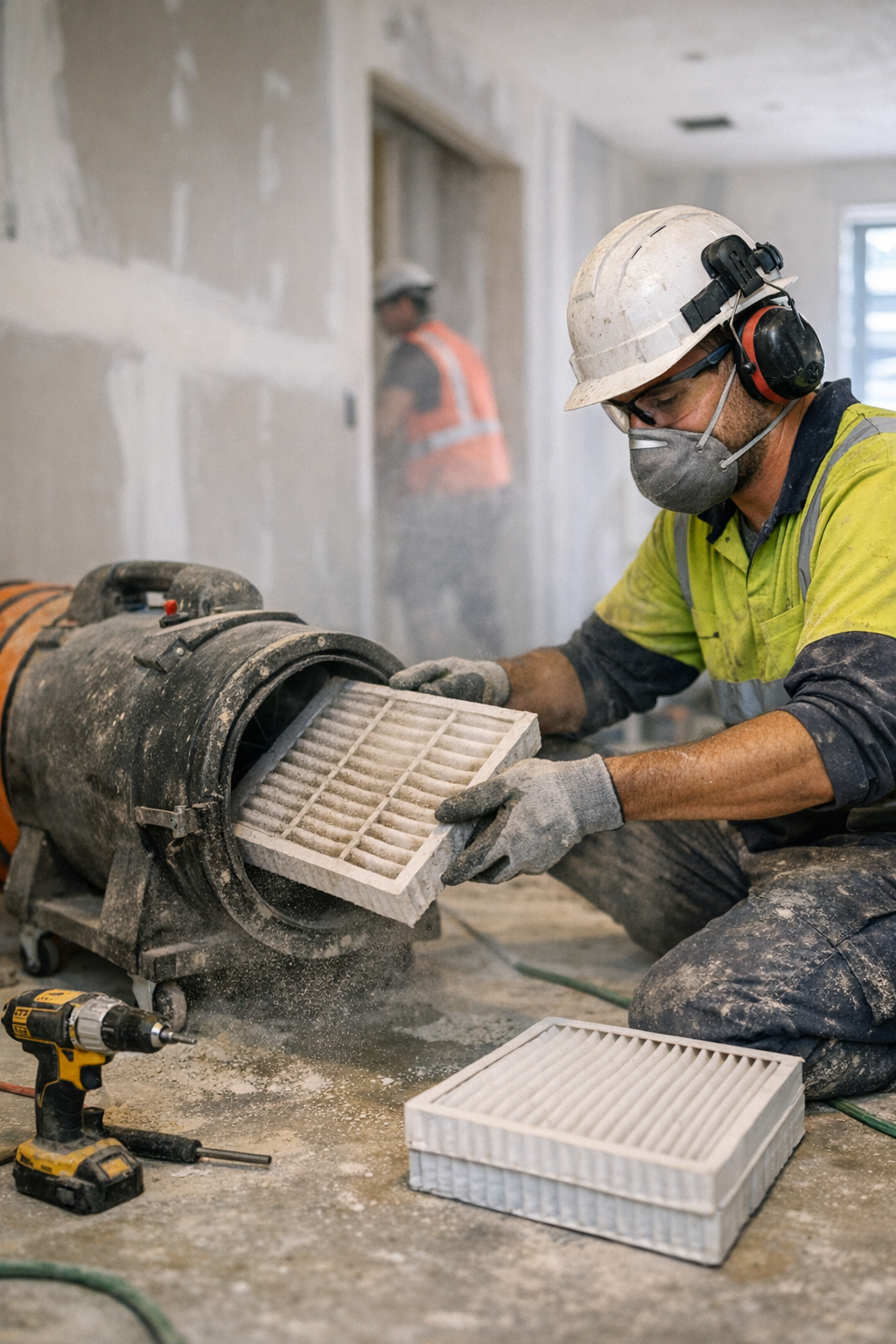
There’s a quiet kind of disruption that happens when a jobsite fan starts to misbehave. You might not catch it right away—just a slight rattle at first, or maybe an odd resistance in the usual airflow. But the interruption is real. The work slows; the air feels heavier, slightly off. If you spend enough time with machines like this, you start to notice what’s missing when everything isn’t running quite right.
The attachments we pick for our ventilation fans, and the care they get, become invisible partners in this daily rhythm. When everything’s new and freshly cleaned, air moves the way you expect. It’s only over hours, in the middle of persistent dust or a long shift, that small problems start to reveal themselves. Somewhere between the start and end of a job, quiet maintenance becomes the difference between ease and friction you can't quite describe.
When Something Subtle Shifts
You don’t notice it immediately.
Often, it’s a sound that pulls you out—a little more rattle, or a fan working harder than it did yesterday. Sometimes, it’s nothing but a dusty film at the vent, thin and whispering that something has changed. I remember grabbing an old attachment during a drywall clean-up and realizing half an hour later the air was gritty, the filter sliding loose. It’s surprising how clearly you feel it on your skin—a bit more dust, a faint chalky smell. That’s when I swapped out the filter, thinking only of making it through the job, but realizing afterward how close I'd come to a callback or worse, a failed inspection.
Efficiency Follows the Details
There’s a difference you only notice with time.
Two attachments might look the same. But a perfect seal on one, versus a warped edge on another, shows up fast during real work—a drop in suction, a line of dust where the airflow didn’t reach. The effect isn’t dramatic, but it builds. A fan that works a little quieter, runs a little cooler—these are the changes that stretch out smooth hours instead of turning them rough. I started swapping filters on schedule, not just when they looked dirty, and found noise dropped and overnight shifts got easier. The life of the machine stretched a bit further, as if the fan itself could finally breathe.
The Signals, and the Choice
But you feel it.
Machines give us little signals before they truly fail. A slight whine, a dip in airflow, trails of dust that weren’t there before. I used to think maintenance was just habit—something you did because everyone said it mattered. But it’s really about noticing those early warnings, trusting what they tell you, and acting before things break. There’s something simple, almost grounding, about letting your attention shift from the big obvious jobs to the soft, quiet details.
Sometimes I think about these things near the end of a long shift, surrounded by the steady hum of well-kept equipment. It’s easy to forget the role of hidden parts until they speak up. The thought lingers at the edge—how a job’s rhythm and a machine’s breath are never all that different.
These reflections came together one night on a dust-filled jobsite, writing notes between filter changes.