When Quiet Pacing Reveals Hidden Daily Tensions
Midday dog pacing signals unmet needs like water or activity; adjusting routine elements like bowl placement eases tension and restores flow.
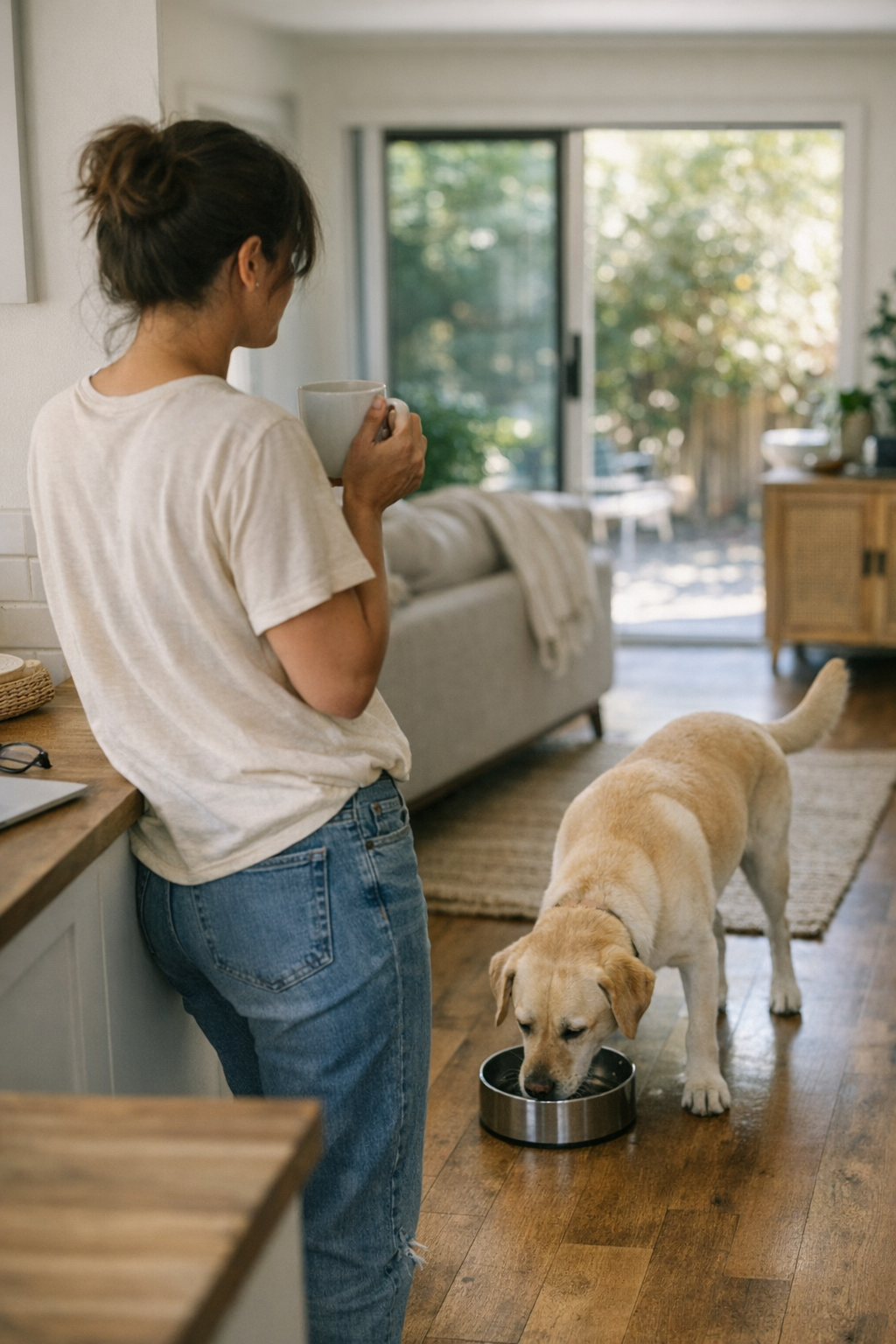
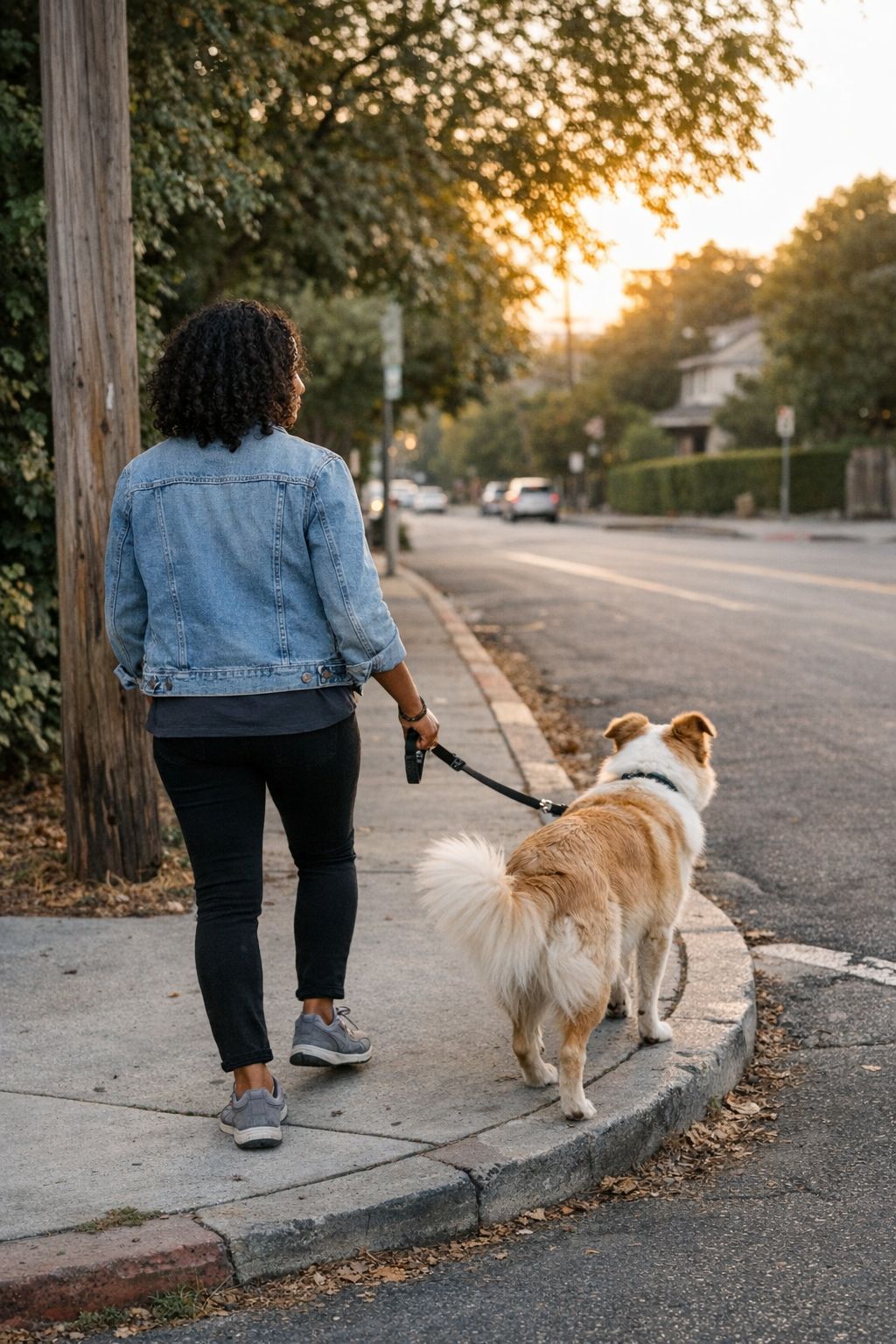
It started one afternoon when I wasn’t really paying attention. My dog began pacing a slow, repeated loop from the kitchen to the hallway—not frantic, just a steady circuit. At first, I dismissed it like background noise, the way sunlight shifts across the floor while you work. But when it happened again at the same time, through the same stretch of hallway, and then again the next day, it felt different—a subtle but persistent signal.
By the third or fourth time, it was clear. This wasn’t idle wandering. The pacing marked a friction point in our daily rhythm I hadn’t noticed. When your dog returns to the same loop, in the same spot, it shows something’s amiss beneath the surface—a need, not an accident. While the house may seem settled, the daily flow is off, and the dog’s movement is the first sign.
The Shape of an Overlooked Pattern
After a few mornings, I noticed the pattern: the steady circuit from kitchen to entryway, a pause, then back again. Sometimes the bowl caught a glance, then the nose trailed toward the door or a backpack left on the floor. Nothing seemed resolved, so he circled back.
Everything looked tidy—floors cleared, toys mostly in a corner, water bowl shining under the counter. But the friction was hidden there, beneath that surface clean. I’d toss a toy or let him out briefly to break the pattern, hoping rest would settle in. The pacing stopped temporarily but quickly returned, moving along the same path.
That repeated loop was the clue. I cleared a jacket, shifted a bag, but his direction didn’t change. The bowl stayed tucked away, almost out of his normal line of sight during the afternoon's quiet. When a routine falters, it often looks like nothing’s wrong. Just a little background noise, a dog’s nails tapping softly across the floor.
What Changes When You Actually Watch
The shift came in a small, practical way. I moved the water bowl—not far, just aligned it with his favorite rest mat—and the pacing changed. He went straight to it, drank fully, then dropped into a deep breath. The circuit stopped. No extra loops, no checking the door.
It took a few days to register. At first, I thought he was simply thirsty. After the second day, he rested near the bowl and stayed. The absence of pacing felt bigger than the pacing itself. My own fragmented afternoon routines smoothed out: emails became less scattered, walks less rushed. Pauses remained, but felt like rest, not waiting.
Dogs often notice those hidden gaps in daily flow before we do. The bowl looked tidy, pushed under the counter lip, but wasn’t where he actually saw it during our afternoon quiet. Each loop was a quiet reminder: the setup worked for me, but not for the rhythms we both follow every day.
A Routine Quietly Fixed, Almost Without Noticing
The pacing is gone most days now, replaced by the soft drag of a toy or a gentle nudge at my ankle. If the afternoon stretches and I forget, a pause near the bowl’s new spot quickly reminds me. Our home feels calmer—fewer background disruptions, more settled waiting.
One small change created more space for rest—for both of us. The bowl isn’t hidden anymore, and the routine rides more smoothly through the day. The gap between looking tidy and actually easing daily life sometimes comes down to paying attention to a missed pattern. Most days, the new order hums quietly in the background. The dog knows before I do when it’s time for a reset.
There’s a lot you stop noticing until the routine shifts—and that’s usually when things get lighter.
If you’re curious about small changes that can help daily routines flow more quietly, you can continue here: http://www.dogpile.myshopify.com