When Quiet Spaces Hide Daily Tensions at Home
A quiet living room can still undermine a dog’s rest if the bed placement invites daily interruptions, shifting it a meter often improves downtime.
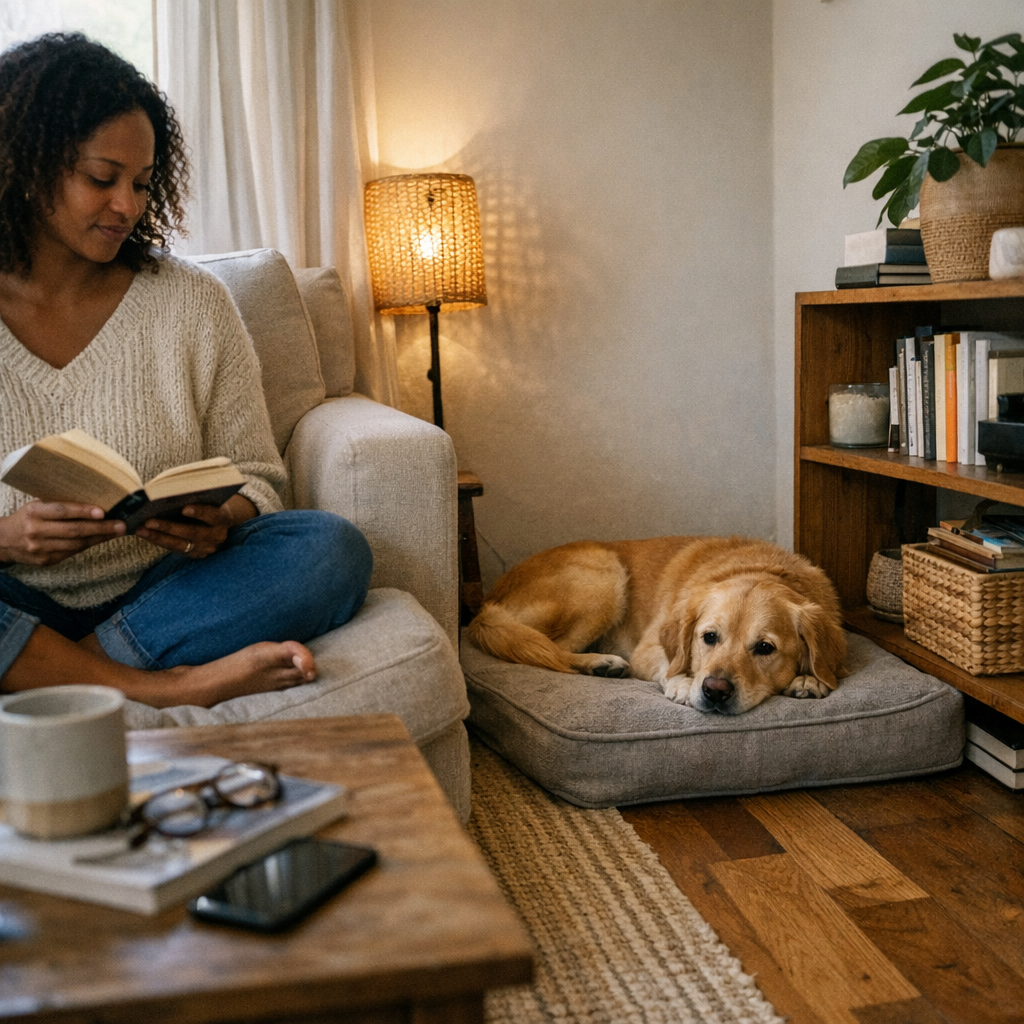
You notice it after a few mornings—your routine clicks along, the room looks calm, but your dog keeps shifting. She sighs, circles twice, settles for a minute, then lifts her head the moment someone crosses toward the kitchen. The space looks peaceful at first glance, but even the smallest household movement breaks your dog’s rest.
It’s almost invisible unless you’re living it. The quiet in the living room feels real until you realize you’ve been stepping around your dog—both of you half-expecting the next small interruption. A coffee cup sets down, she stirs; a neighbor walks by outside, her feet slip over the bed’s edge; your bag moves closer to the door, she stands up to watch. Mornings mostly go this way. Sometimes afternoons too. The room stays visually tidy, but underneath, there’s a tension neither of you can shake.
Where Calm Doesn’t Always Reach
Most days, “peaceful” looks like a dog resting on a bed while emails are answered nearby. On the surface, the room does its job. But then the door hinges creak or someone reaches for the cereal box, and your quiet moment resets. The pattern is so regular it took weeks to notice—a dog who always seems ready to move, even when tired.
You start to see how often your paths cross. The dog’s spot, near the main walkway, feels useful at first. She’s close to you, you’re close to her water bowl, and it fits an image of togetherness. But then you’re edging around her, catching your foot on the mat’s corner, or shifting her bed so she doesn’t block the shoe rack. The difference appears in small ways. A calm-looking setup doesn’t guarantee a smoother day. Being too close to the action means more small collisions and startles for both of you.
The Subtle Cost of Repeating the Same Pattern
It’s not a big deal any single day—just an extra pause before leaving, or a slow restart during meal times. Still, the feeling builds. I’d catch myself, bowl in hand, sidestepping toys that had drifted from their corner again, or stopping before the doorway because she rested right where I needed to walk. This is how it goes: you get used to working around her, she watches for your next move, and the routine never fully smooths out.
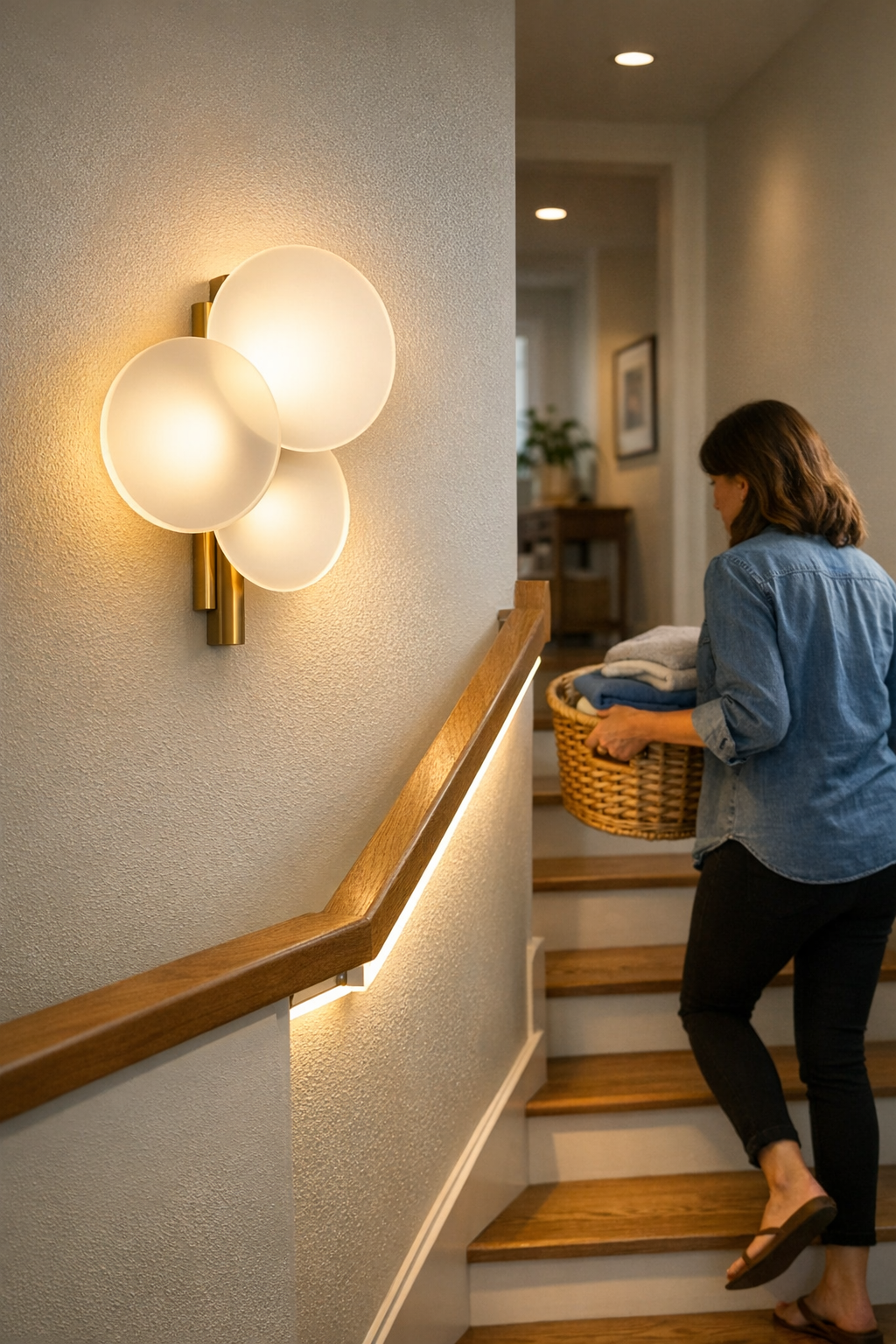
Sometimes, when things were busier—setting down groceries, folding laundry—I’d notice her halfway up, waiting for a signal that wasn’t coming. These aren’t dramatic interruptions but a slow erosion of the routine. Over time, it kept us both from settling into any rhythm during rest hours. It felt like living *around*, not living *with*.
Moving Things a Little Further Out
It was accidental the first time. After vacuuming, I moved her bed just outside the main walkway—out of the path, closer to a lower shelf, not pushed against a wall. Something eased almost immediately. She still watched the room but no longer rose at every shoe squeak or door snap. After a few days, I stopped catching my bag on her bedding or stepping over her water bowl to open a window. The space began to feel functional, not just staged.
That’s what sticks with me. Sometimes the answer isn’t adding or reorganizing, but letting a setup be just outside the usual traffic, letting both the dog and the room breathe. I kept the corner clear and didn’t make it precious; it’s still a lived-in spot with bowl scuffs and damp towel edges. The room didn’t look much different, but we moved through it with fewer bumps, and her rests lasted longer. Most days, that’s enough.
I still pause sometimes, halfway to the door, to watch her settle—actually settle, without the constant half-rising. It’s a small change that feels larger than it looks.
If you want to see how others arrange daily dog life, there are some quiet examples here: http://www.dogpile.myshopify.com