When Returning Items Feels Like Second Nature at Home
In shared outdoor spaces, wall-mounted systems along exit paths enable quick item returns, reducing clutter and easing cleanup over time.
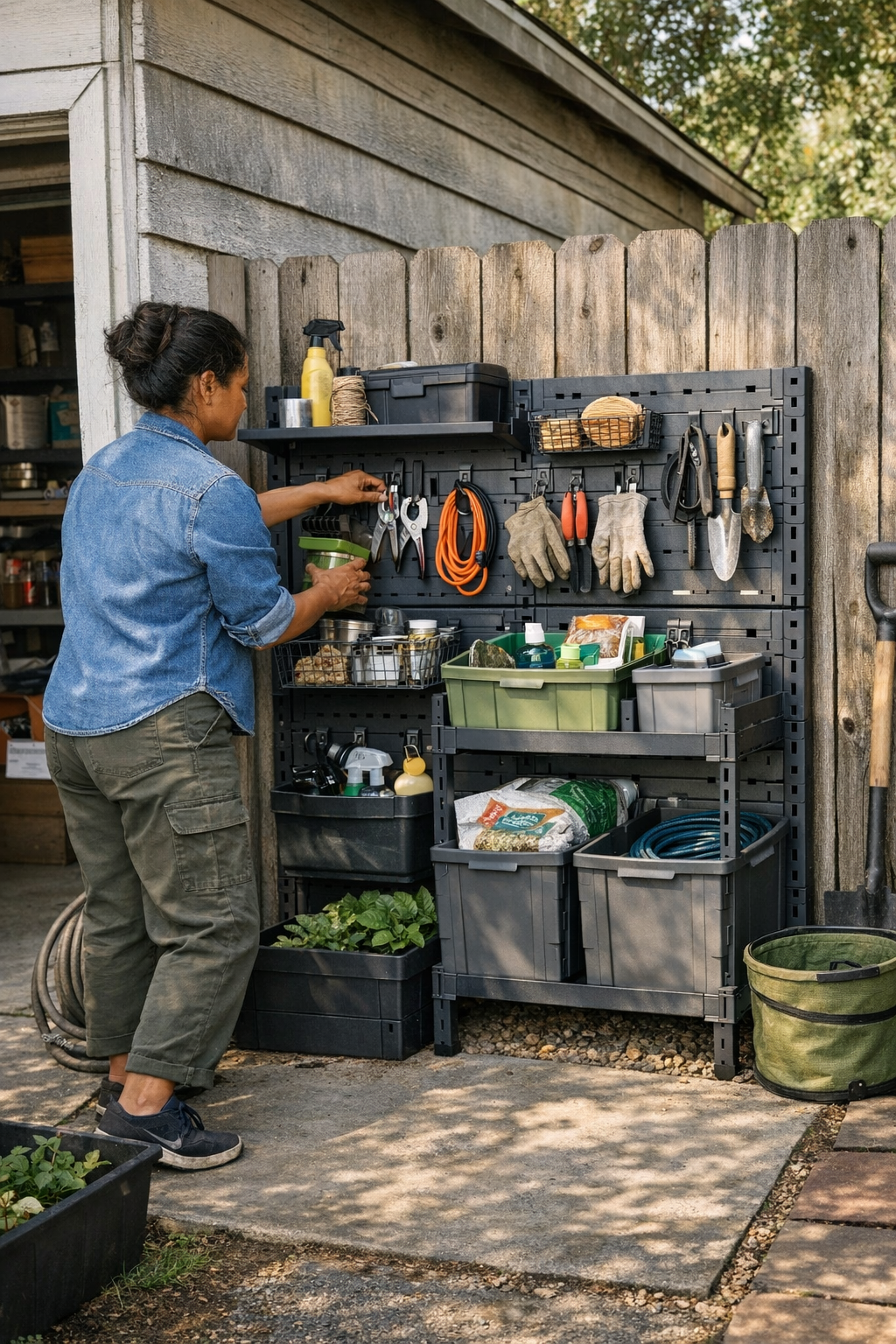
You don’t expect the slow buildup. It starts with a pair of gloves left on top of a bin, a rake leaning awkwardly against a fence, or a kid’s bike wedged in the path near the back gate. In shared backyards, the gaps in everyone’s routines reveal themselves quietly. Things pile up—not all at once, but in small ways that stall even the best intentions of tidiness in limited outdoor spaces.
It isn’t really about what kind of storage containers you buy, or how clever the product design is. At home, it’s less about features and more about the invisible patterns—the way things are dropped, left behind, or left for “later.” That’s how a well-intentioned storage chest slowly turns into another obstacle you need to step around.
Where the Problem Sneaks In
At first, bins or outdoor chests seem like a solid fix. Everything hidden, everything contained. But you don’t notice how quickly the easy-access spots fill up until the next round of tools or toys needs a place to land.
You feel it on a weekend afternoon, after some work or play. The pile in the corner chest makes it harder to return things, not easier. The lid becomes a hurdle, the depth a small deterrent. Every time you promise to sort it “next time,” the pile grows until someone, inevitably, has to start over.
This friction isn’t obvious—until it is. And then it belongs to whoever minds the mess the most.
When Walls Became Pathways
We switched to a simple panel with a few hooks along the fence near the gate. Nothing fancy; just a row at eye level, right in the route everyone took in and out. Suddenly, putting things away was almost automatic. No digging or stacking—just a glove on a hook, shears clicked in place, and out the gate you went.
Nobody got miraculously neater, but it didn’t matter. The system nudged everyone toward putting away just one thing as they passed. That was the part I kept coming back to. Shared spaces work best when the easiest, most obvious move is also the one that helps the next person through.
Hooks placed in the natural flow of traffic did more than any number of deep bins ever did. It’s striking how a gentle shift—making the “return” path shorter and clearer than the “drop it anywhere” option—can change the daily feel and usability of a busy backyard or side-yard organization system.
Living With Less Reset
These days, we still keep one corner bin—old habits die hard—but it holds much less than before. The wall handles overflow before it even starts. That eliminates bottlenecks at the gate and stops crowding the path.
The difference wasn’t in the product itself. It was how the storage met us right where the day ended, making “clean as you go” not a chore but the simplest, most natural move. It doesn’t eliminate all clutter, but it stops accumulation and reduces the reset burden, so small tidying happens almost unnoticed.
It’s funny how much smoother the weekend feels now, with one less thing to circle back to.
These small changes unfolded while working on our backyard, inspired by ideas in modular wall systems and low-footprint storage units that fit real mixed-use needs. For more on setups that meet outdoor flow and shared use, visit TidyYard.