When Safety Feels Different from Order in Everyday Drives
A car interior may look orderly, but setups that don’t fit real use cause friction; true safety comes from functionality under pressure.
You notice it after a few trips, not right away. At first, the car feels solid—fresh mats, a console organizer, maybe everything in its place. But that's only part of it. On the third or fourth drive of the week, something shifts: a charging cable loops under your heel, a phone slides off the seat again, a cover’s edge bunches just enough to catch your bag. For me, that’s when the gap between a neat-looking setup and one that truly fits real use became clear.
There’s a quiet frustration in these small moments, when what worked during cleanup never quite survives actual driving. The car still feels put together, but getting around inside becomes a series of small obstacles—stretching to reach here, untangling a cord there. Those interruptions slow you down and remind you that neatness isn’t the same as daily comfort.
When Neatness Gives Way to Friction
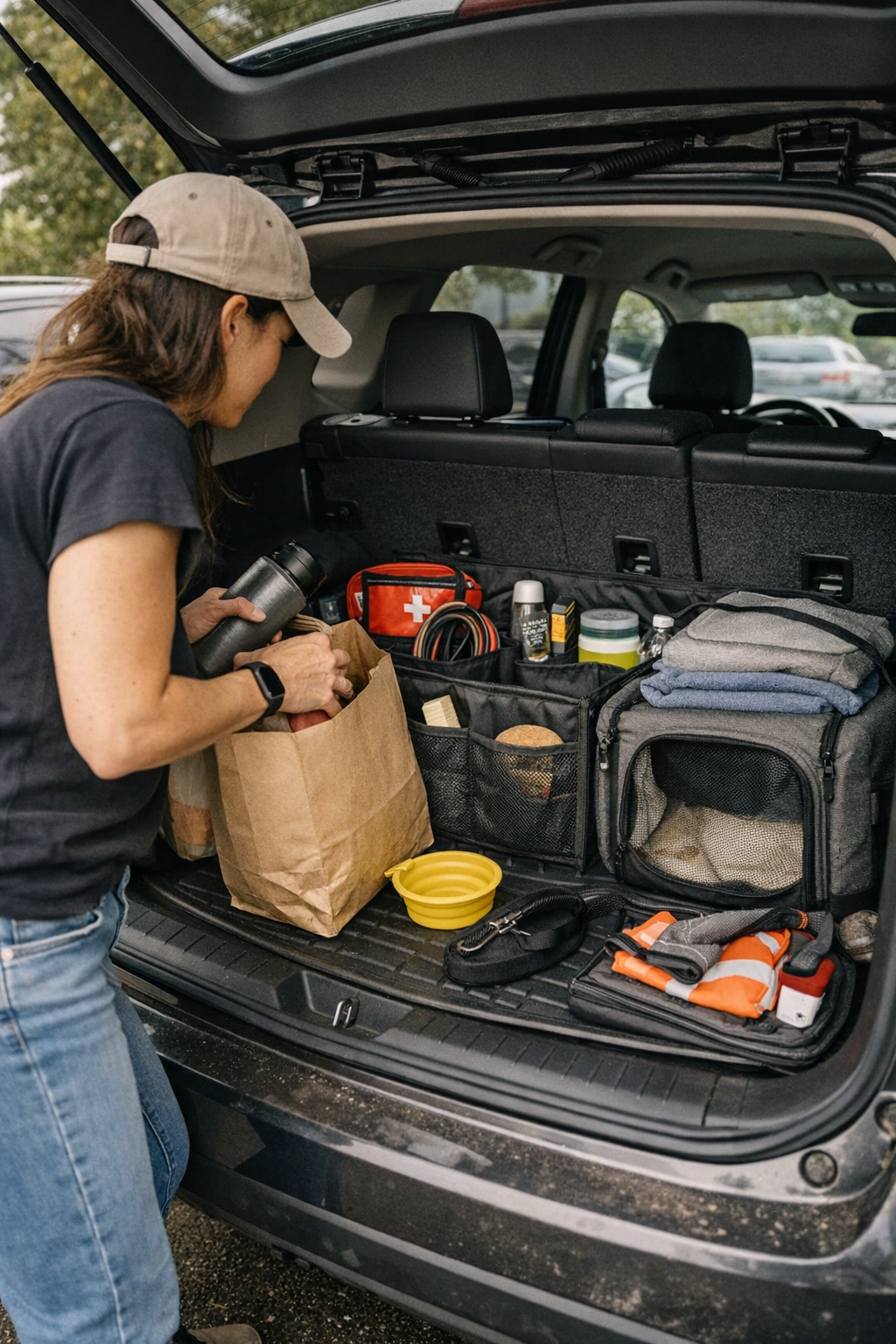
It’s surprising how much an organizer can either help or hinder. I didn’t realize it until clutter returned exactly where I’d cleared it the day before. My trunk organizer looked fine at first. But when my arms were full, grabbing anything became awkward: it shifted, nudged bottles loose, and its boxy design blocked access to the items I needed most.
The real trouble showed gradually—a charger cable dipping into foot space, wipes rolling beneath a seat, a slim case making buckling up feel awkward. Each small snag adds up. What starts as something you can step around becomes the thing you nudge and adjust on every drive.
That’s what kept standing out: everyday use tests a setup, and what looks good often loses to what actually stays put and works well.
A Small Shift Changes the Return
There’s a rhythm in loading the car after a long day. Drop your bag, slide in, hunt for the charger with one hand almost on the wheel. That’s the space where small differences show—the open cord or a blocked pocket that forces you to rearrange for the fifth time.
Once I swapped a bulky double-stack console box for a slimmer organizer—just enough slots for keys and cards—and quietly cleared the path. Nothing dramatic, but I no longer leaned across the gearshift for my phone. The main charger cable stayed out of foot traffic. Suddenly, getting in and moving on felt less like adapting and more like coming home.
Cleanup still looked almost the same, but this small change cut down the tiny stops and resets. Picking up the car after each drive felt easier.
Structure That Lasts Beyond First Sight
Repeated movement finds the weak spots no organizer ever advertises. A trunk liner that slides under one boot, a seat cover that bunches at the door—each creates a mental note, a small fix repeated over and over.
The real test is practical: if cleanup after a trip doesn’t take longer than the drive, something is working. The process gets quiet, automatic even, and the car feels less like a puzzle and more like an extension of yourself—even when the schedule runs late or errands stack up.
If there’s a lesson here, it’s that smooth routines come from setups that let you move without backtracking. Systems that anchor what you need and let you skip what you don’t. The little snags disappear, and the car feels lighter—not just tidy, but easier to use.
Sometimes it’s worth a second look at what you reach for, and what keeps ending up in the way—those small shifts add up more than a full overhaul. If you’re curious about parts that might fit, I’ve quietly bookmarked a few here: http://www.drivewellsupply.myshopify.com