When Saw Blades Meet Wood, Metal, and More
Choosing saw blades for mixed materials depends on performance during cuts; 14 TPI bi-metal blades reduce cleanup and improve finish quality.
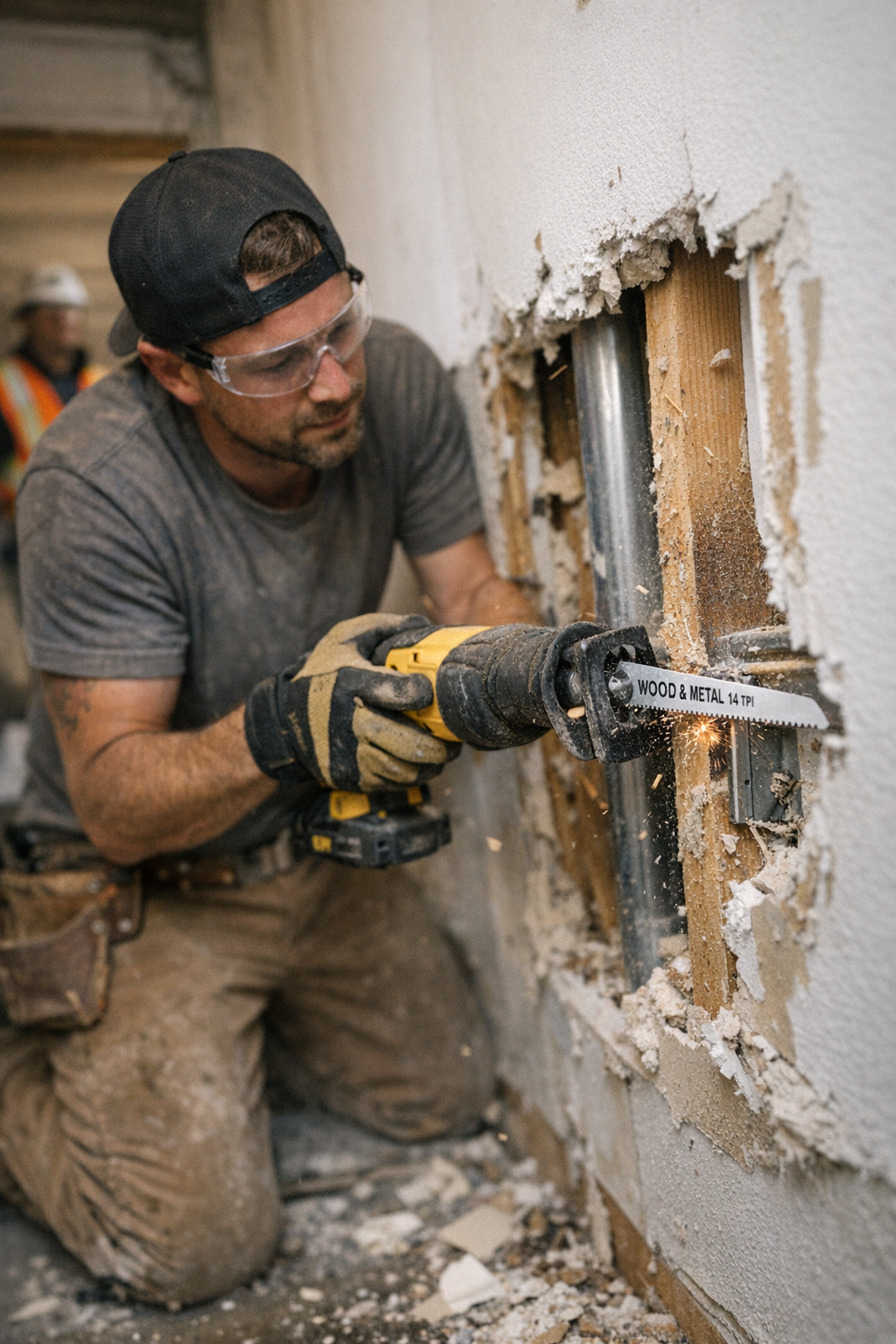
You rarely think about the blade—until something feels off. The task is humming along, wood and metal giving way beneath the grit of the reciprocating saw, when suddenly it’s not. There’s a snag you didn’t expect, an off-beat vibration in your hand. These small interruptions arrive just as quietly as they disappear.
But you feel them.
When Precision Turns Slippery
At first, a mismatched blade doesn’t announce itself. Cuts begin crisp, the saw gliding through layers. But two or three passes in, there’s a shift: drag creeps in, lines lose their edge, and the handle chatters with each strike of a hidden screw or dense knot. Suddenly, the cut that was supposed to be smooth becomes a jagged seam that begs for extra sanding, sometimes even a weary sigh.
You don’t notice it immediately—only in the gentle accumulation of extra effort. The promise of “multi-material” on the blade’s packaging fades, no match for the real world medley of wood, gypsum, and an errant nail buried out of sight. Over time, the cleanup grows, while hands and patience wear down.
The Quiet Difference Under Pressure
Standing at a job site, there’s rarely time for swapping blades just because you crossed from pine to aluminum. So most keep cutting until either the hands or the blade give out. That’s where the subtle blade differences begin to matter: a bi-metal blade built for mixed work gives way slowly, handling the surprise of a metal strip tucked behind soft wood. Less vibration, less wandering off the mark.
Sometimes all it takes is that pause—a moment to notice how the saw pulses differently when it’s working with the material, not against it. It’s the difference between a steady hum and a series of jarring jumps. Over time, those moments save not just effort, but entire panels from being scrapped.
Learning from the Small Adjustments
What changed for me wasn’t sweeping knowledge, just a gradual noticing. Swapping a wood-heavy blade for one marked “wood with nails” and “light metal” made the transitions smoother—cuts ran truer, and arms stayed fresher. I needed less sanding at the seam, and material seemed to last longer before needing another trip to the store.
It’s nothing you’ll see in bold print on a package. The real effect shows up as less rework at the end of the day, jobs wrapping up with less scattered debris, and the quiet relief of a tool working the way it should. The task gets lighter, somehow, when friction is reduced—literally and otherwise.
The best tool in the world can’t make up for the wrong blade. But picking up on the small signals—a little extra heat, a sound not quite right—often does.
These thoughts came together while I was chasing down stray cuts behind the drywall, wondering why some days felt easier than others.