When Shadows Hide the Everyday: Lighting That Supports Your Routine
Entryways run smoother when lighting targets shelves, hooks, or benches, using LED bars and good cable routing for easier daily use and less clutter.
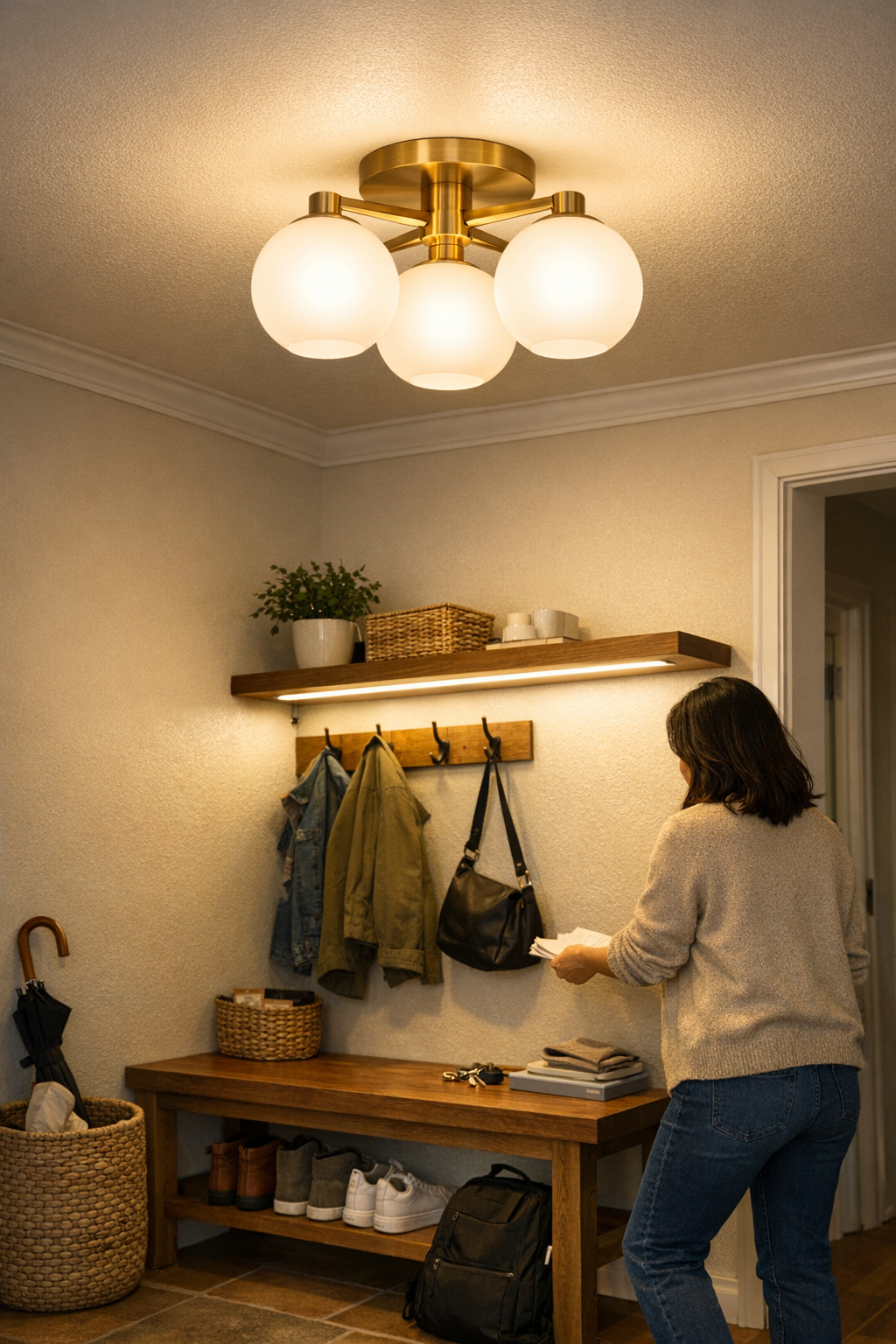
It’s easy to walk into a room and think, this is enough light. There’s a moment just inside the door, coming home after work, when everything looks clear—shining overhead, smooth surfaces, nothing calling attention to itself. The entryway felt clean and open, like a well-kept blank slate.
But after a while, some things didn’t add up. Shoes hid in the dark under a shelf. Keys slid across a half-shadowed surface, hard to spot in the morning rush. The “uncluttered” look showed its seams through small hesitations. That was the part I kept coming back to.
When Overhead Light Isn’t Enough
There’s a difference between a room that looks bright and one that feels truly usable. You don’t notice it right away. I didn’t, at first.
Every evening brought reminders: the deeper shelf shadows, cables crossing at odd angles near the bench, an odd flash of glare at the far end. Even with a powerful ceiling panel overhead, the things I touched or needed—hooks, baskets, bags—ended up partially in the dark. The fixture hovered above it all, neat and minimal, but the real work happened lower, toward corners, on the actual surfaces.
Sometimes, a family or two stepped inside at once, and everyone drifted toward the only well-lit spot. Shoes scattered. Shoulders brushed against hanging coats not easily seen. The bright center had a sort of emptiness to it. That feeling lingered.
Shadows in the Routines
Late in the evening, the gaps became starker. A single ceiling panel meant most edges faded out—mail slid off the sideboard unseen, a missed sock tucked against the wall. Places that looked organized in the day were trickiest at night.
You get used to little adjustments—a longer reach for the key bowl, an extra lean to find the right basket, tracing along a cold wall to keep your footing where darkness gathers. The cables running down to a plug became another presence to avoid, eventually pressed into the background but never vanishing. Some changes become part of the routine, woven into the architecture of everyday use.
I noticed how often I slowed down right at the threshold. One shelf, always awkward in its shadow, got the most traffic and frustration. There was nothing visibly wrong, but it wasn’t easy. That difference—between finished and dependable—kept returning.
The Quiet Shift
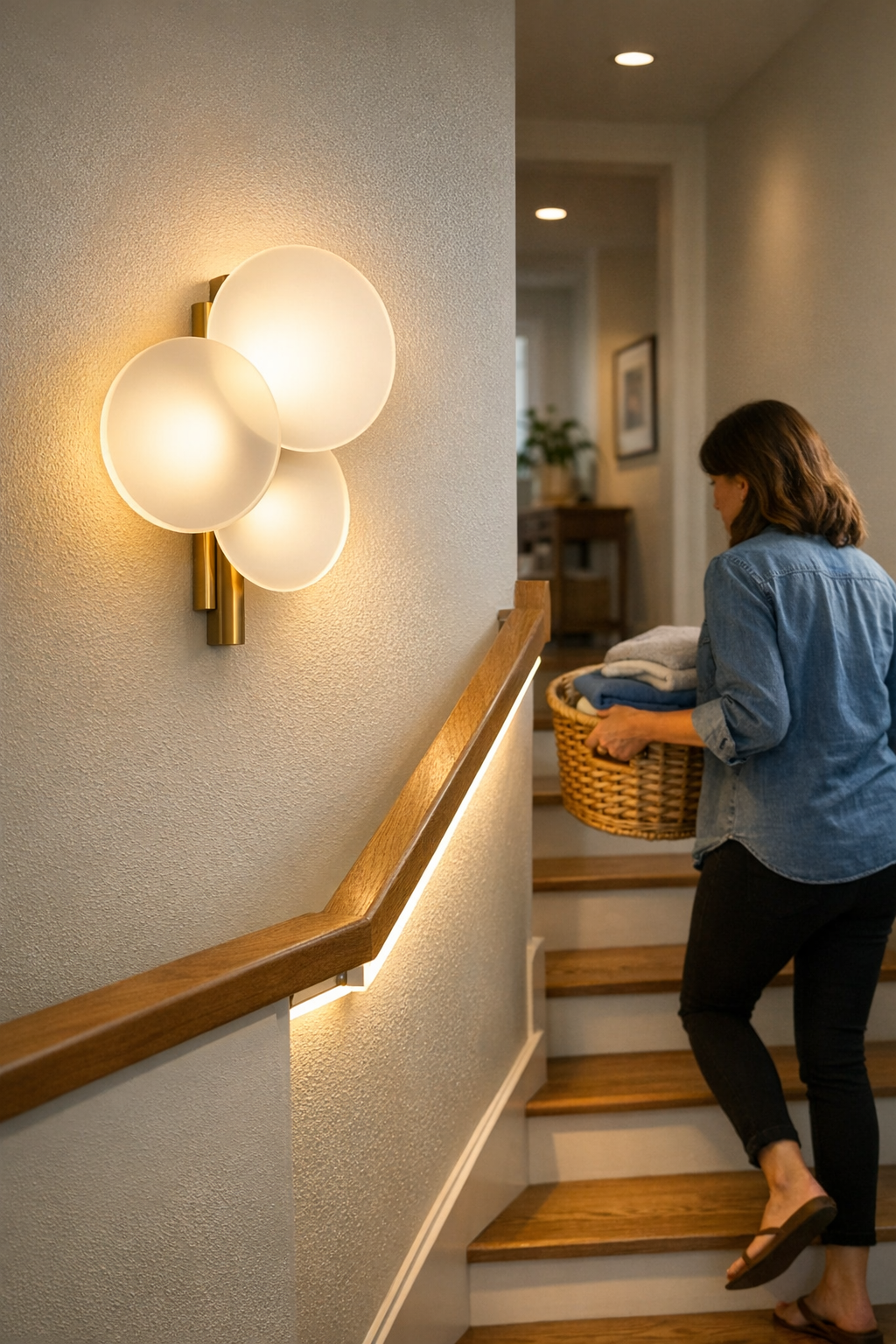
Adding a slim LED bar behind the shelf made an immediate difference, though not for the reason I’d imagined. The setup was simple: cable running close to the wall, clipped tight. Suddenly, the places people actually touched—bins, hooks, that crowded landing spot—were illuminated softly but clearly.
The entryway never looked quite as minimal again, but it worked better. Shoes didn’t disappear. Mail landed where it should. I noticed fewer fumbles for bags, less hesitancy near the door, even on tired nights.
It was a subtle change. What stood out wasn’t just the extra light, but how routines softened—shoulders dropped, movement smoothed out, the space supported the habits already there. It’s surprising how quickly things feel lighter when small frictions fall away.
Sometimes, finding the lightest touch means letting it show, just a little, where it matters most. For anyone curious, the kinds of setups I ended up with live quietly over here: http://www.lightsupport.myshopify.com