When Shadows Linger Beyond the Ceiling Light
Ceiling lights alone leave edges and surfaces under-lit; adding wall lighting resolves shadows and improves visibility over time.
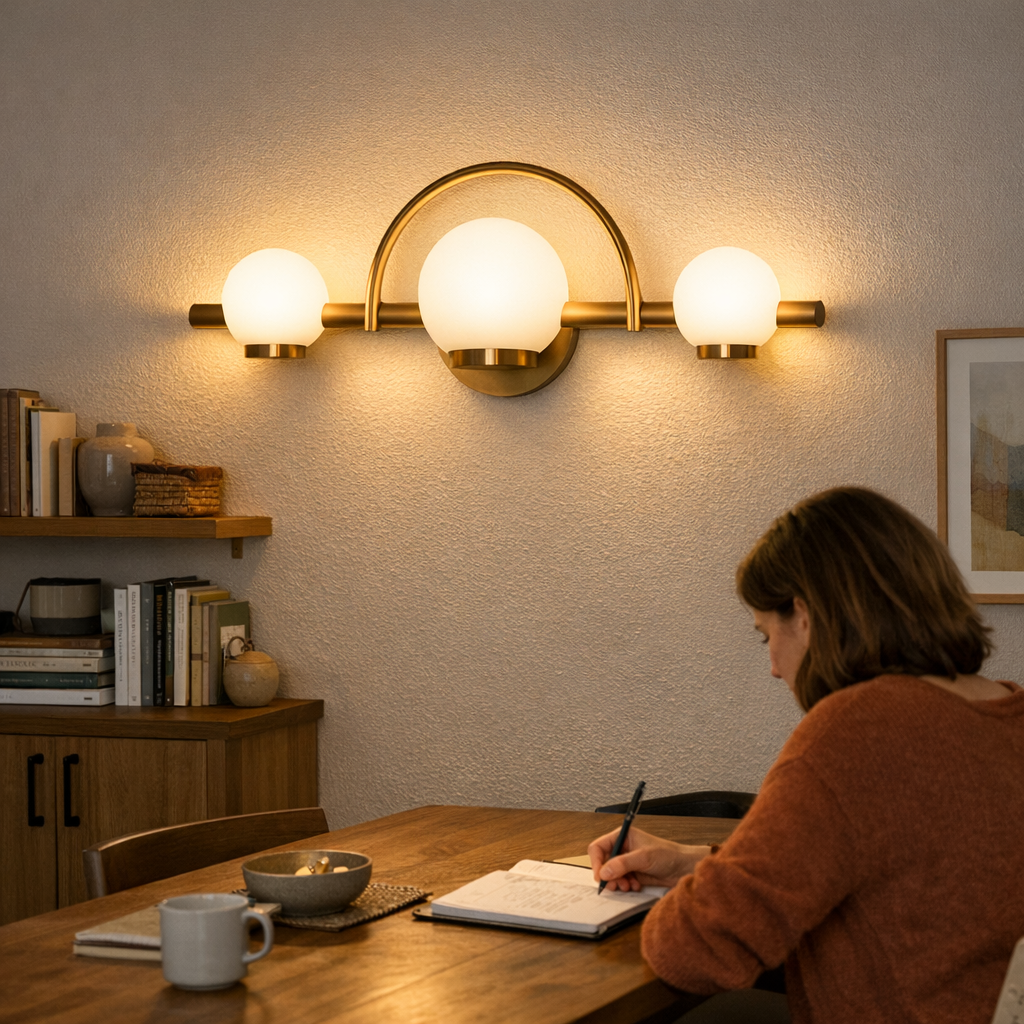
Some lighting problems only emerge quietly in the background, shaping the way a room feels long after installation seems finished. Day after day, I’d enter the same space—overhead LED panel lights bright and even—but certain patches remained unreachable. Side walls appeared dim at particular hours, shadows gathered in corners, and the edges around shelves and tables stayed dull, no matter how much I turned up the ceiling lighting.
It was curious to notice these gaps only during routine use. Not when stepping back to admire the clean ceiling layout, but when reaching for something, sitting across a shared table, or glancing up at art that consistently slipped into shadow by late afternoon. This was the issue I kept returning to.
The Clean Lines That Leave Something Out
There’s an obvious appeal to keeping lighting overhead—the ceiling stays clear, the room looks tidy, and no extra brackets or cables clutter the sightlines. For a while, I assumed that was enough.
You don’t immediately see what gets missed.
But then, sitting at the far edge of a shared table in the evening or scanning a shelf, the overhead light stopped following those activities. While glare from above might sneak across the desk, the walls faded into dimness. Small annoyances slowly built up: the shadow of a hand crossing a page, the shelf edge too dark to scan without squinting, the persistent sense that the room was always half a step behind the way I wanted to use it.
When Work and Light Keep Crossing Paths
This is often how the issue surfaces: not as a glaring design flaw, but as a string of tiny interruptions. I’d turn on the overhead panel, sit down for a late meal, and notice the plate’s edge was just a little too dark. Writing on paper felt easier near the window yet awkward at the other end of the table.
None of these annoyances demanded an immediate overhaul. Instead, they crept into daily routines. Gradually, I realized the broad spread of ceiling lighting never truly reached the edges where most of the work took place.
Adding a slim line of wall light above the top shelf quietly filled the patch that had always bothered me most. The difference wasn’t dramatic—just steady and even, with fewer distractions. Cables stayed flat behind shelving, brackets didn’t protrude awkwardly, and the wall became a usable surface again. You adjust light placement, and over time, it fades into the background.
Clarity Isn’t Always in the Center
Looking back, the real satisfaction came not from a prettier ceiling or tidier wire runs, but from everyday moments flowing more smoothly: no blocked light at the edge of the desk, no overlooked books on dark shelves, no low-level irritation from hardware that felt out of place.
Thanks to thoughtful lighting and support that addresses those tricky edges, the unfinished parts fade away. Sometimes the room just works better—and that’s the difference you notice only after the change quietly holds up.
If you ever want to see how people keep working out these details, you can take a look at www.lightsupport.myshopify.com.