When Shared Spaces Turn Messy and How to Fix Them
Structures with fixed, visible return points and clear paths cut down repeat trips and keep resets minimal, easing shared outdoor space use.
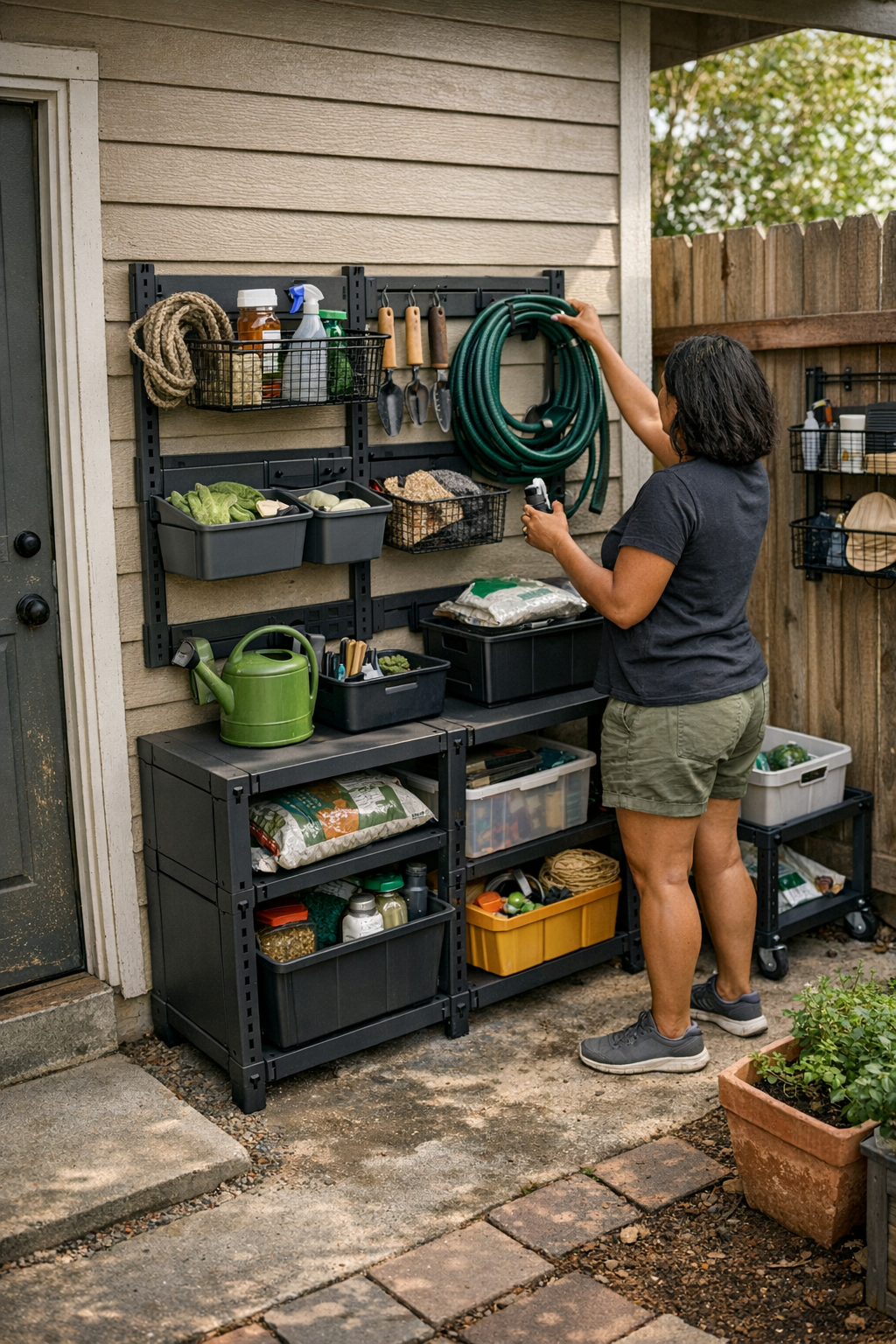
There’s a quiet comfort in returning to an outdoor space you love—until one day you find yourself circling the same stack of chairs and rescuing wayward soccer balls for the third time since breakfast. It happens subtly. You expect a quick reset, but the rhythm keeps breaking—one thing always missing, another in the way. Over time, you realize it’s not just the clutter itself, but how it moves when more than one person is in the mix.
At first, I thought “outdoor storage” just meant picking a bigger chest or a handier bin. The truth is a bit gentler and more complex. What changed everything wasn’t a new container. It was discovering the feeling of being able to do it all in one round—with no double-backs, no pile-ups. That’s the part I kept coming back to.
Small Differences, Big Loops
You don’t notice it immediately.
But small decisions about where things are supposed to land shape the entire experience. When no spot feels like the “real” home for shoes, tools, or folding chairs, the space drifts toward chaos. Walkways get crowded, reset time increases, and it’s easy to wander back inside without actually putting anything away. Then the next person—someone with different habits—just repeats the cycle. A quick weekend tidy-up turns into a slow-motion maze.
I saw this firsthand in our side yard, a narrow strip pressed between the house and driveway. Everyone had their own deposit spot, which somehow multiplied the clutter instead of managing it. That’s when I realized: when you share a space, “organized” doesn’t always look like what you planned.
Something to Come Back To
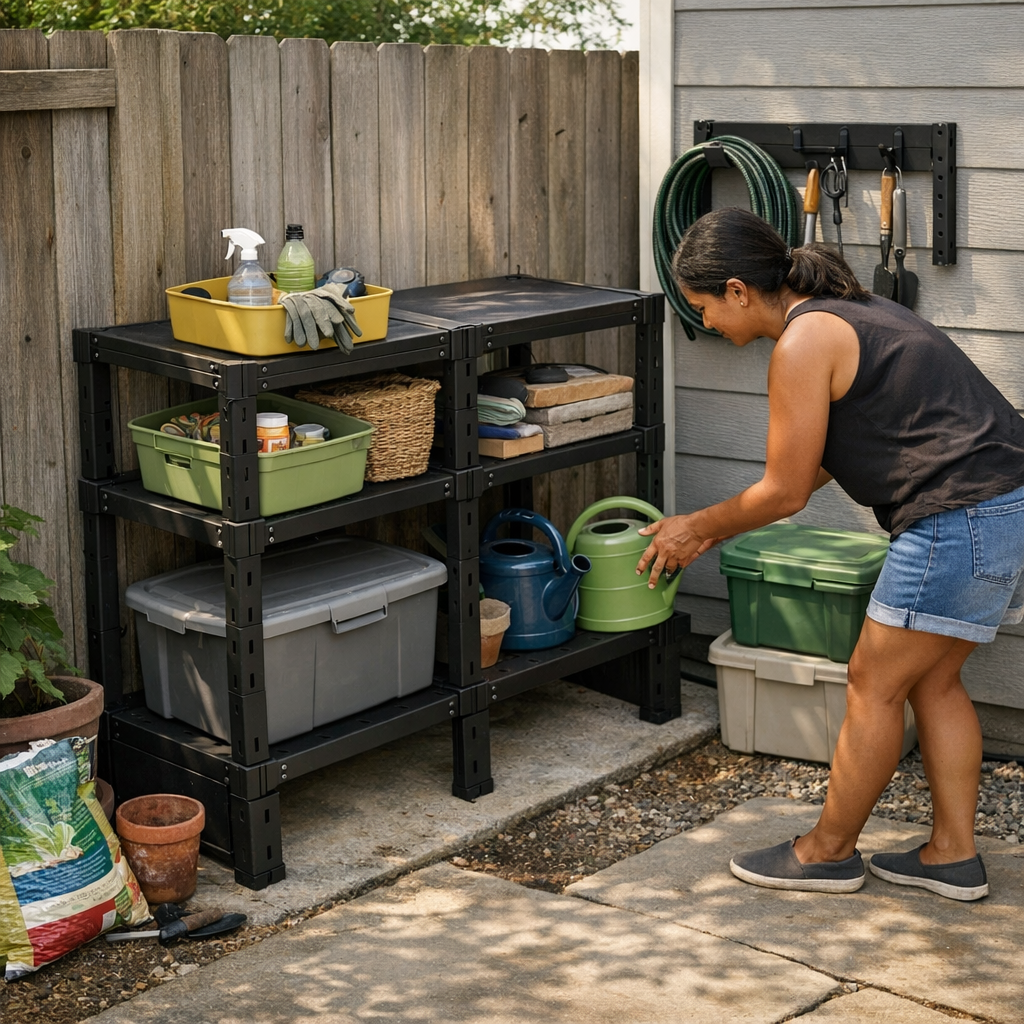
There’s subtle magic when each item has its own unmistakable place—especially up on the wall, easy to see, hard to miss. Hooks and baskets weren’t new ideas. But after giving every ball, glove, and hose an official perch along six feet of wall, something settled. Paths stayed open, no more tripping on abandoned gear. The time spent hunting for essentials shrank to almost nothing.
It started to matter less who was last in the yard. Even if someone’s routine slipped (and it always did, sooner or later), the drift was limited. A missing chair or stray rake could be recovered at a glance. Unexpectedly, resets stopped feeling like chores—they became brief moments, not full productions.
The Quiet Impact of Return Points
There’s practical ease in this kind of setup. When storage removes the friction of finding and returning, a shared yard stops being another project and starts feeling ready again, almost on its own. No one notices the system working in good weather, but everyone feels its absence on busy mornings.
The simplest truth is that the right structure keeps the flow going—with less sorting, less doubling back, and a lot less asking around about missing things. When the space itself supports the people moving through it, it quietly holds things together, even as daily life gets complicated.
These reflections came together while rethinking our own side yard, which you can glimpse here: http://www.tidyyard.myshopify.com