When Shelf Labels Fade: The Quiet Struggle of Fixed Bins
Shelf-edge labels last longer when bins can move, reducing damage and mismatches as contents and categories change.
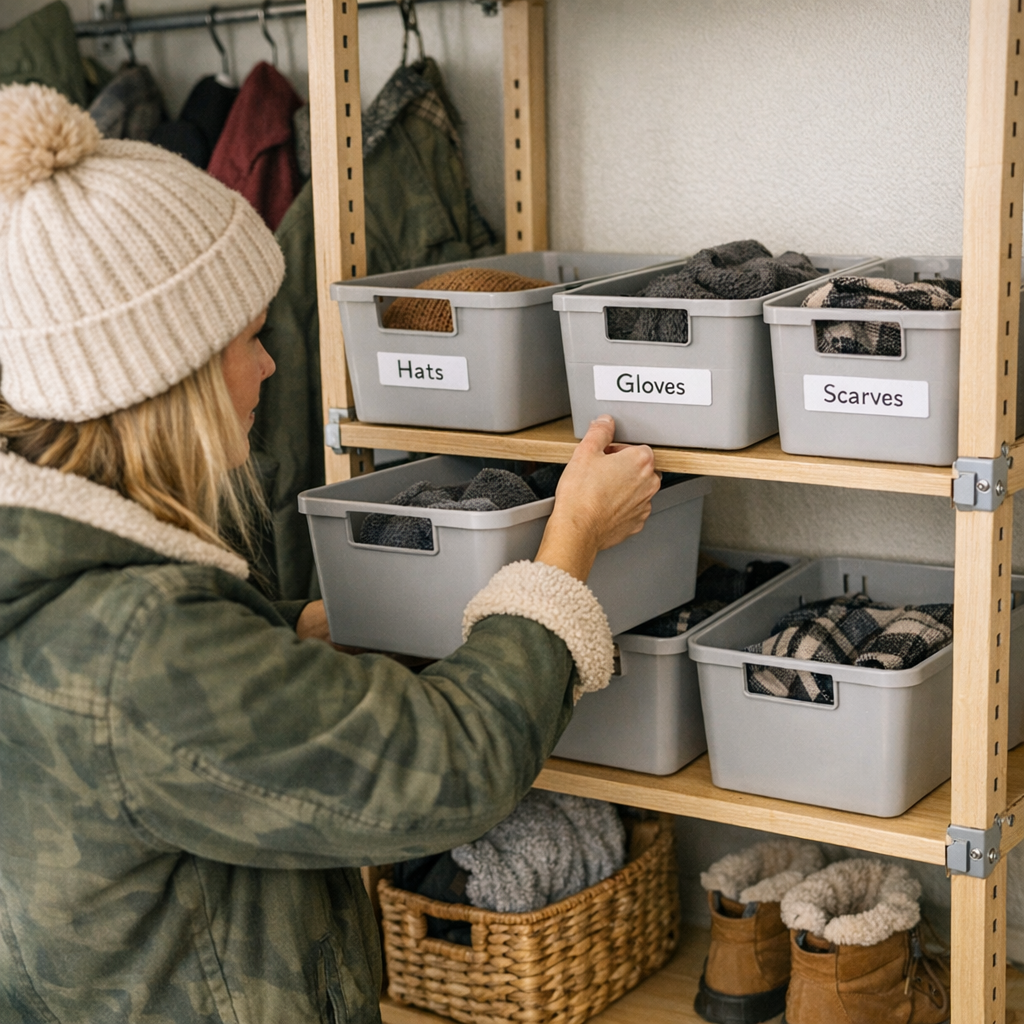
Whenever I open a closet or office supply shelf, I notice the labels first. Lined up in order on the edge—names, numbers, little categories—they give off a sense of calm control, a promise that life behind each bin is just as tidy.
But sometimes, beneath that neatness, something quietly comes loose.
It’s strange how a shelf label, once stuck confidently in place, can become a small source of daily friction. The problem rarely announces itself. It just builds. Especially if the bins pressed below the labels are tightly packed or fixed in place, every little movement starts to wear at the edge. After a few weeks, labels go crooked, corners curl, and the system that felt so reassuring begins to fade. You don’t notice it immediately.
But you feel it.
When Order Fades
Over time, fixed bins turn a row of clear labels into a guessing game. The bins refuse to budge, so people wedge and pull. Tiny scuffs and pinches scrape at the adhesive until, suddenly, half the labels have torn corners or barely cling at all.
I saw it happen once in my family’s hallway closet—a winter’s worth of hats and gloves expanding as January arrived. Bins got swapped or nudged around. The labels no longer matched the contents above, and they peeled just enough to annoy every time someone had to swap bins again. What began as smooth order quietly slipped into confusion.
It all comes back to something simple: friction. Physical, and then mental. The harder it is to move bins, the more often the labels separate from what they’re meant to track.
The Subtle Liberation of Give
One autumn, I decided—almost without thinking—to leave half an inch of space beside each bin. Not enough to look empty, but enough to let bins slide without scuffing the label. I also swapped for labels that could peel off and re-stick if a category moved.
This barely noticeable change—just a touch more give—made all the difference. Bins slid out and back with a gentle sound instead of a struggle. The labels stayed lined up with their contents, crisper for longer. And when seasons changed or a box needed to be moved? The update took moments, not a whole afternoon spent relabeling.
The shelf felt lighter somehow. Organization wasn’t something I had to defend against daily life. It could adjust with me, quietly.
Learning to Leave Space
It’s easy to crowd shelves with identical bins, or to believe that locking everything into position will guarantee neatness. But bins need room to breathe. Labels need the ability to follow their contents, not get left behind.
If I notice a shelf where the labels no longer match the reality above them, where edges are peeling and categories are a little fuzzy, I know it's not just an issue of tidiness. The system itself wants a little more room, a little more flexibility.
Releasing that grip—letting bins move, letting labels reposition—turns storage from a stubborn task into something quietly helpful. Categories stay clear, even as life shifts.
Sometimes a little extra space is all it takes for everyday order to last just a bit longer.
These thoughts came together while working on a small personal project. View the full collection