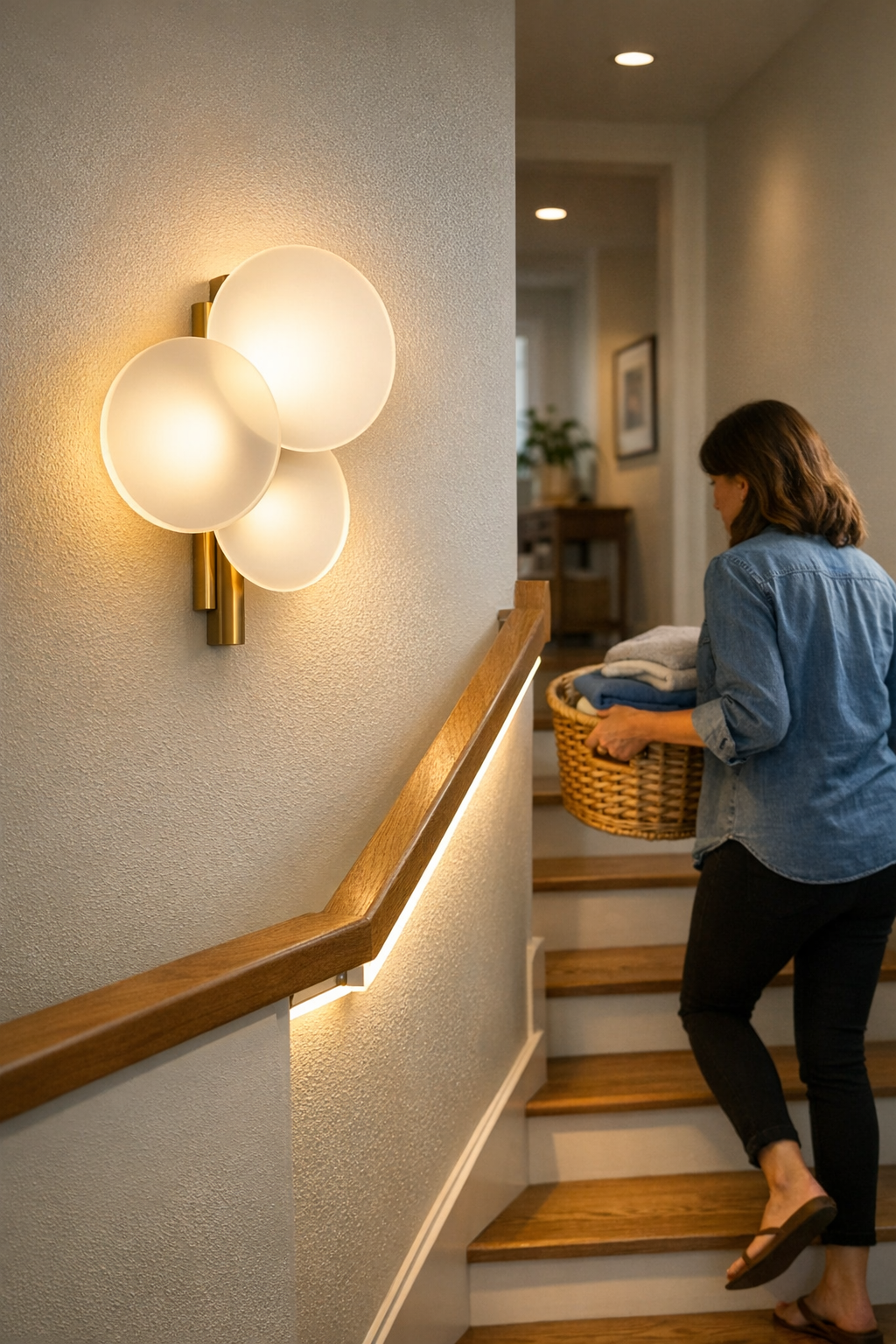
When Small Details Shape Our Daily Workspace Mood
Small lighting accessories make a lasting difference only if they stay secure and practical through repeated real-life use.
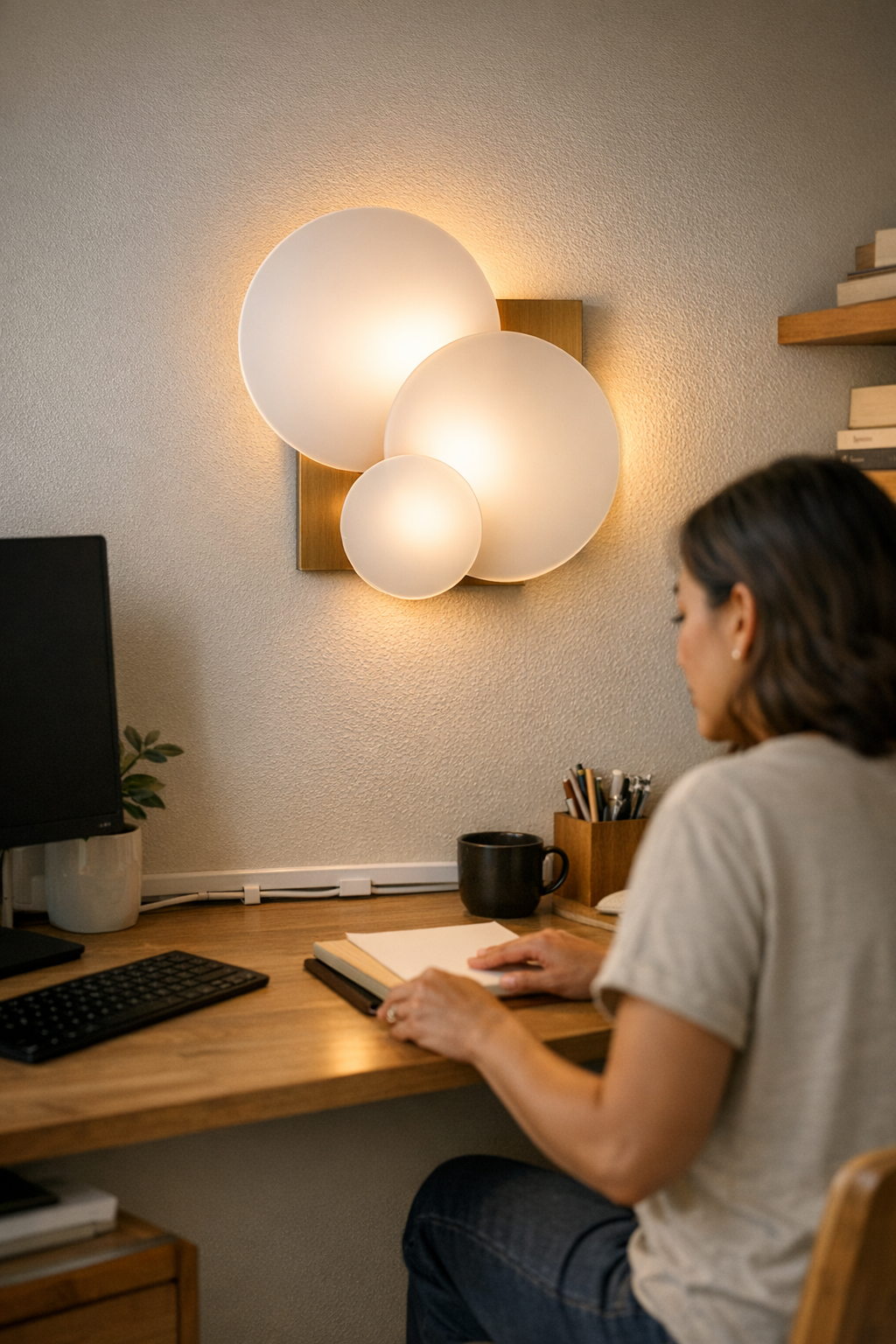
There’s a particular comfort when a lighting setup looks tidy on day one: cables neatly arranged, a lamp angled just right, the glow landing exactly where you want it. For a moment, it feels settled and done. But real life quickly reveals that genuine ease doesn’t come from that initial stillness. The real challenge shows up after using the space—when cables start creeping into view, fixtures shift whenever you brush past, and brackets fail to hold steady. After a week’s rhythm, the difference between “looking clean” and “feeling finished” becomes obvious.
The Subtle Shift from Neat to Nearly Unravelled
You don’t notice it immediately.
Over a few days, daily routines bump against the setup. A task light nudged out of place by a passing elbow, a cable once flat now bowing away to catch dust or chair legs. Those adhesive clips that seemed clever at first slowly peel off as humidity rises, letting cords loosen bit by bit. It’s not dramatic—just small, persistent reminders that true support means standing up to a busy Monday meeting or a hectic Friday tidy-up.
But you feel it.
Moments add up: a lamp wobbling with every movement, cables sagging lower week by week, glare finding new reflective edges on your notebook. Shared desks or shifts in routine magnify these small glitches. You straighten cables again and again—third, fourth, fifth time—and wonder why the setup won’t stay put.
Living with Light that Stays Put
This is the part I kept returning to.
There’s a quiet difference when a fixture is anchored by a bracket that doesn’t loosen, or when a cable channel holds tight along a desk edge so cords vanish from daily sight. I switched out peeling clips for a sturdy cable raceway and by Friday, nothing had shifted—no matter how many times I rolled my chair or cleared the workspace.
Lighting support that actually withstands daily life lets you forget its existence for a while. That calm isn’t flashy in photos but is noticeable when you’re focused solely on your work, not managing your setup. The best setups are the ones that quietly maintain order amid daily activity.
When Support Moves with You, Not Against You
Testing lighting support isn’t about how it looks first—it’s about the quiet friction that builds after repeated adjustments, every desk wipe down, or when pushing notebooks aside. The real difference after a week isn’t usually mess or chaos; it’s how often you leave your flow to reposition or nudge something back into place. When cables and fixtures hold steady despite unpredictable movements, the space becomes easier to settle into—and just as easy to leave undisturbed.
Sometimes, the only change is how little attention the lighting setup demands.
If you want to explore more of these practical hardware solutions in context, there’s a quiet gallery here: http://www.lightsupport.myshopify.com