When Small Messes Quietly Take Over Your Space
Recurring pet messes signal incomplete daily care; keeping cleaning tools handy reduces buildup and makes maintenance easier to sustain.
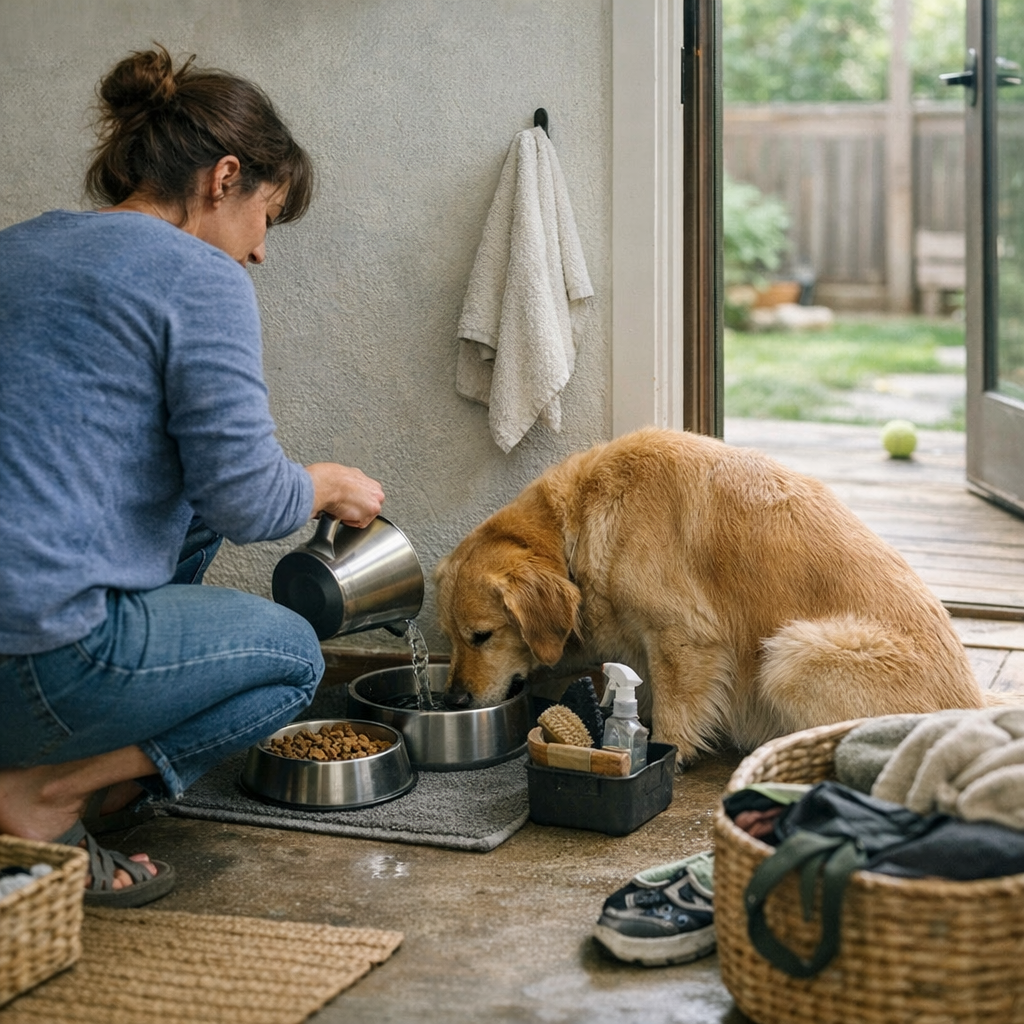
You don’t always notice when it starts. Usually it’s just a small mess—crumbs on the mat, water splashed outside the bowl, a bit of fur left on the brush. Those things seem harmless the first time. But as days pass, they quietly come back, always in the same spots. Between feeding, refilling water, quick grooming, and cleanup, you realize your routine never fully resets. Supplies drift, efforts repeat, and what should be quick fixes begin to slow your day.
This is something you only see after using the same setup for a while. At first, everything looks neat: bowls stacked, towels folded, refills easy to reach—until life happens. You finish a meal, but the cloth isn’t where you expect. There’s a thin streak of food on the bowl rim, barely worth the reach, so you leave it for later. A day later, it’s still there, only stickier. The wipe-down waits another meal. By week’s end, it’s another piece of work quietly packed into your everyday routine.
After a few repeats, you notice: these messes aren’t really about your pet. They’re about the slow drag of going to fetch, wipe, return, then trying to pick up where you left off. For me, it was a towel that never stayed put. I’d wipe the bowl rim, carry the cloth to the sink, then forget to bring it back until the next meal. Each time, the same reach—missing. That was the part that kept returning.
It looked simple at first. The setup stayed tidy on the surface; the real problem lived in the repeats. Bowls would be almost clean, but a little off. Tools lived close—but not quite there—and that small gap shaped the whole day’s rhythm. Over time, the effort built up quietly, in small stutters, each one easy to ignore but together making the space feel heavier than it should.
The shift happened after one meal too many, standing over a sticky bowl yet again. Instead of cleaning harder, I moved a small towel hook just below the feeding corner. Now the cloth lives there—visible, reachable, harder to forget. It’s a small change, almost invisible in the calm of the kitchen. But it kept making a difference: less searching, one less bend, cleanup closing itself with hardly a pause. That repeated trouble faded back. One reset now slips almost unnoticed into the day.
You start to see how home routines actually work—not all at once, but across little repeated spans. Pet cleanup isn’t about perfect setups or big reorganizations. It’s about spotting the weak link in what you do most, then bringing it just a bit closer to your daily flow. Sometimes, that’s all it takes to stop messes from multiplying.