When Small Spaces Make Pet Care Feel Like a Chore
Leaving breathing room between pet care items reduces repeated shuffling and delays, making daily routines smoother and easier to manage.
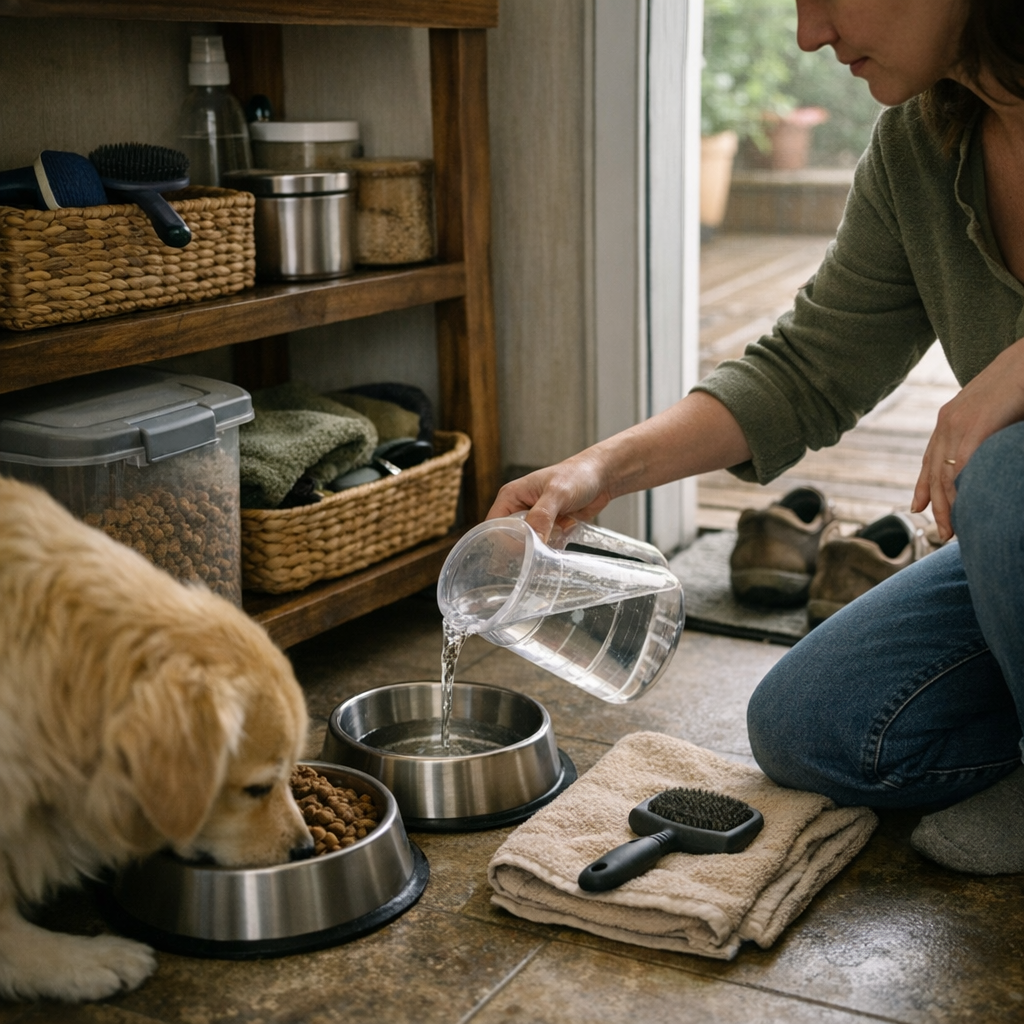
Some things only surface in the second week. I thought our pet routine was as simple as it could get—a few bowls in the corner, a water bottle nearby, brushes tucked into the storage bin under the porch window. It looked organized for a while. But I started noticing how my hand would graze the edge of one container every time I scooped up the food bowl. Routine should be second nature, but sometimes it starts to snag on itself in small, steady ways. The clutter isn’t dramatic, but it kept returning in quieter forms.
Where the Little Delays Creep In
You notice it after a few repeats. A brush left on top of the bin suddenly means moving two things just to do a quick cleanup. The water bottle wedged beside the food bag turns topping off the bowl into a careful balancing act. The space felt tidy, but the friction was there—always one extra nudge, one small barrier between you and what should have been a direct reach.
That part kept coming back: tiny pauses, not long enough to feel worth changing, but always taking up a little more time in the day.
The Difference a Bit of Room Can Make
It looked like a small thing—leaving a one-inch buffer between bowls and containers, pulling out one nonessential refill bottle to open the corner just slightly. But the difference kept showing up. Now, resetting after feeding doesn’t mean shifting three things or stacking lids somewhere else. Just pick up, wipe down, and move on. The table feels lighter, even in the middle of the daily shuffle.
It surprised me how quickly that small gap started carrying its own quiet relief, especially after an evening when I was already running late.
The Rhythms That Stay With You
The big lesson didn’t come all at once. A week later, the real improvement wasn’t just how the area looked, but how each action flowed—no more small resets, no more reaching around little piles. It’s strange how such a low-effort switch can take the edge off a whole day’s routine.
That ease, as it turns out, is the difference between “everything fits” and everything falling into place. It’s small, but it’s what actually stays.