When Small Yards Learn to Breathe Again
Storage setups in small yards only stay practical if they defend walkways against overflow and gradual path shrinkage, keeping movement easy.
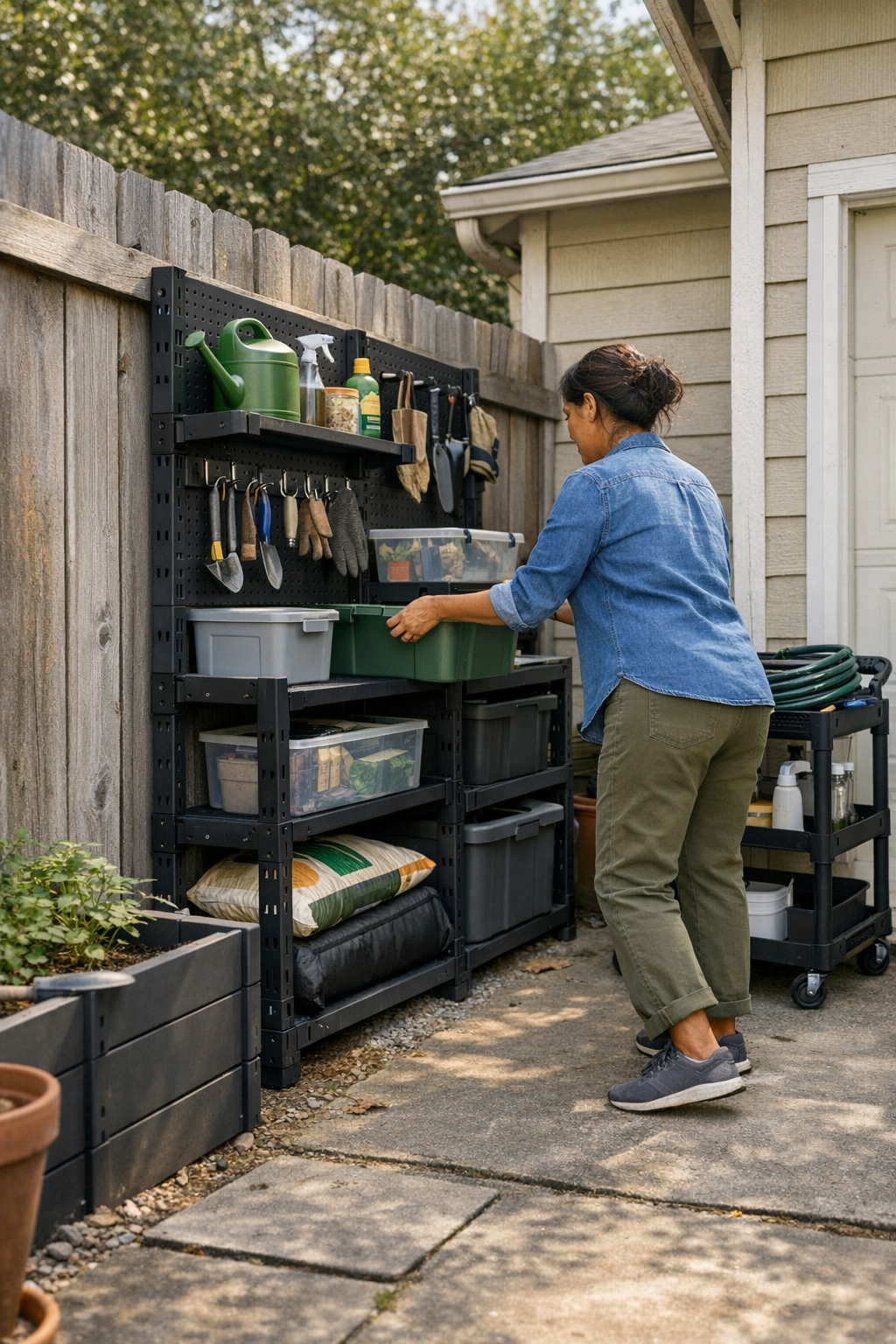
There’s a familiar uncertainty in a narrow yard—an ongoing negotiation between what you store and how you actually move through the space. It’s rarely obvious at first. You might set up extra bins or hooks, pleased with the clever fit, feeling the satisfaction that comes with maximizing every foot. But weeks later, it happens: the path narrows, daily movement falters. That’s when you realize it’s not just what you’re storing, but how these choices quietly shape your routines.
You don’t notice it immediately.
But you feel it.
The Quiet Takeover of Edges
It starts small—a rake leaning out, or a bin inching into the walkway. In tight yards, these little details are rarely just cosmetic. Gradually, the edge becomes clutter’s favorite hiding spot. Retrieving something simple, like a bike or spade, earns a new scrape against your leg. After a few days, what seemed neat begins to pinch your path, and the return trip grows heavier—repetition making the inconvenience real.
What I found is that movement tells the truth before the space feels full. Busy weeks, shared by family or friends, accelerate the pressure. Tripping, pausing, detouring—it all adds up, even if the yard looks organized from the patio.
Where Design and Routine Collide
Sometimes, the test comes when a side yard is pressed into double-duty. Maybe bikes jostle for a parking spot, gardening supplies gather, and, suddenly, the main walkway is always partially blocked—never the same way twice. The original setup, once so considered, can’t stand against the honest chaos of real use.
Those are the parts I kept coming back to. A few inches lost here and there, multiplied by busy mornings and quick drop-offs, reshaped what the yard felt like to live with. Even after a big reset, relief was temporary until the core path was truly protected—no matter how “efficient” storage looked on paper.
A Boundary, Quietly Maintained
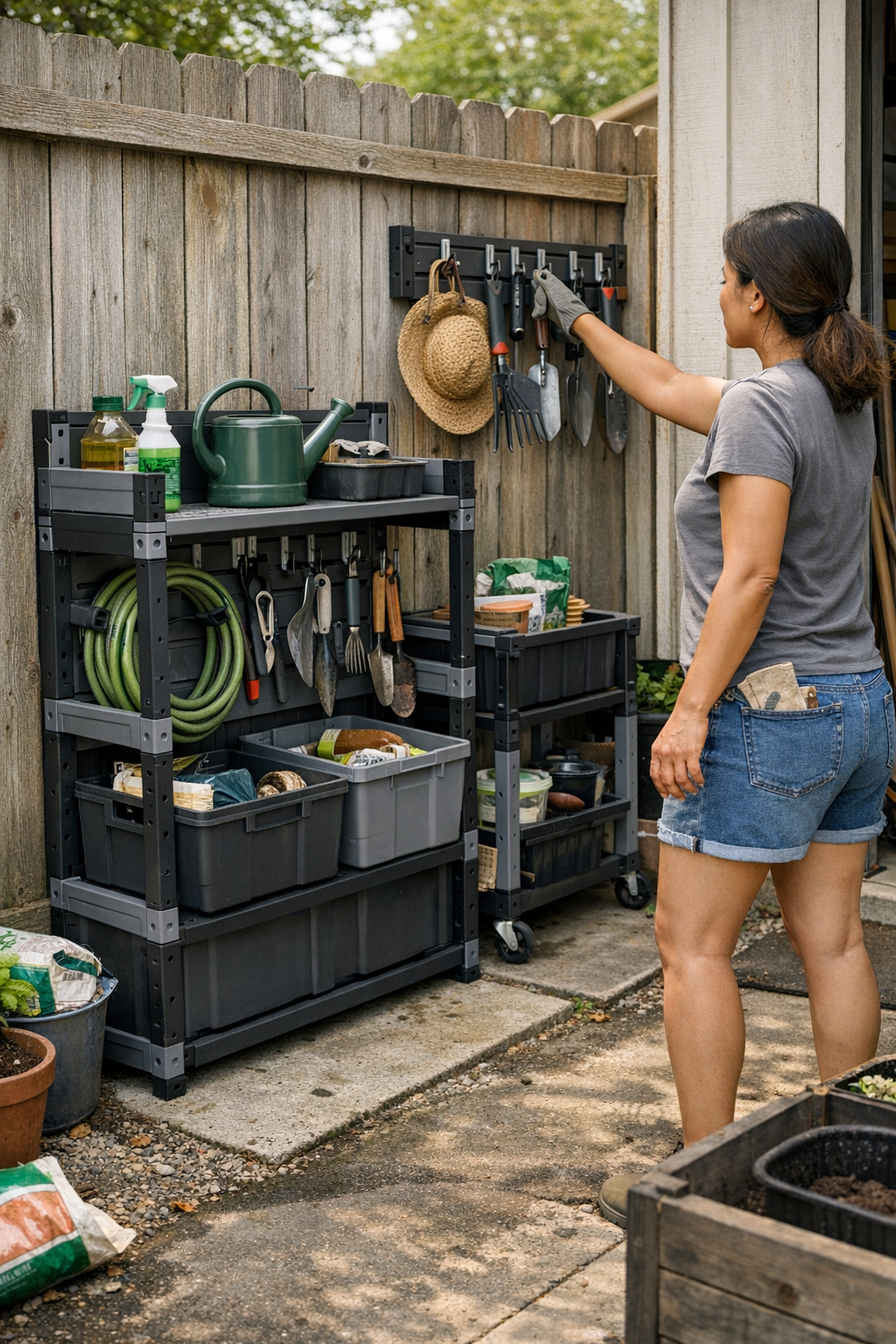
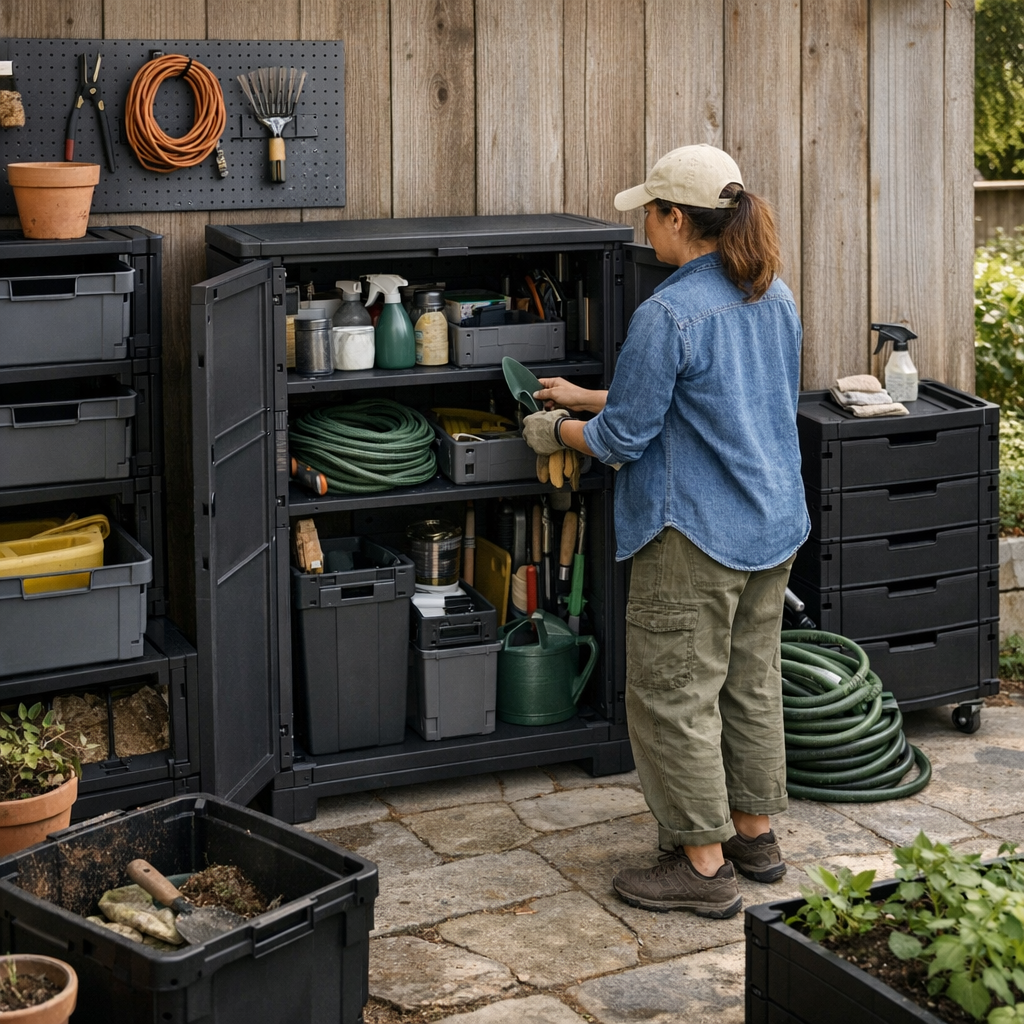
Eventually, switching to modular wall racks brought a subtle but steady change. There was more actual room to move—sometimes, just enough to zip a cart through without slowdowns. Tools hung inside, not into the walkway. And anything that drifted into the path got moved fully out, instead of being nudged aside for another day.
It didn’t just tidy things up. It made returning to the yard easier—less thinking, less dodging. The insight didn’t arrive all at once: a protected walkway, kept clear by habit, holds the real line against clutter. More than the organizing itself, that gentle discipline brings back the sense that you control the space, not the other way around.
These thoughts came together while quietly reorganizing my own corners: http://www.tidyyard.myshopify.com