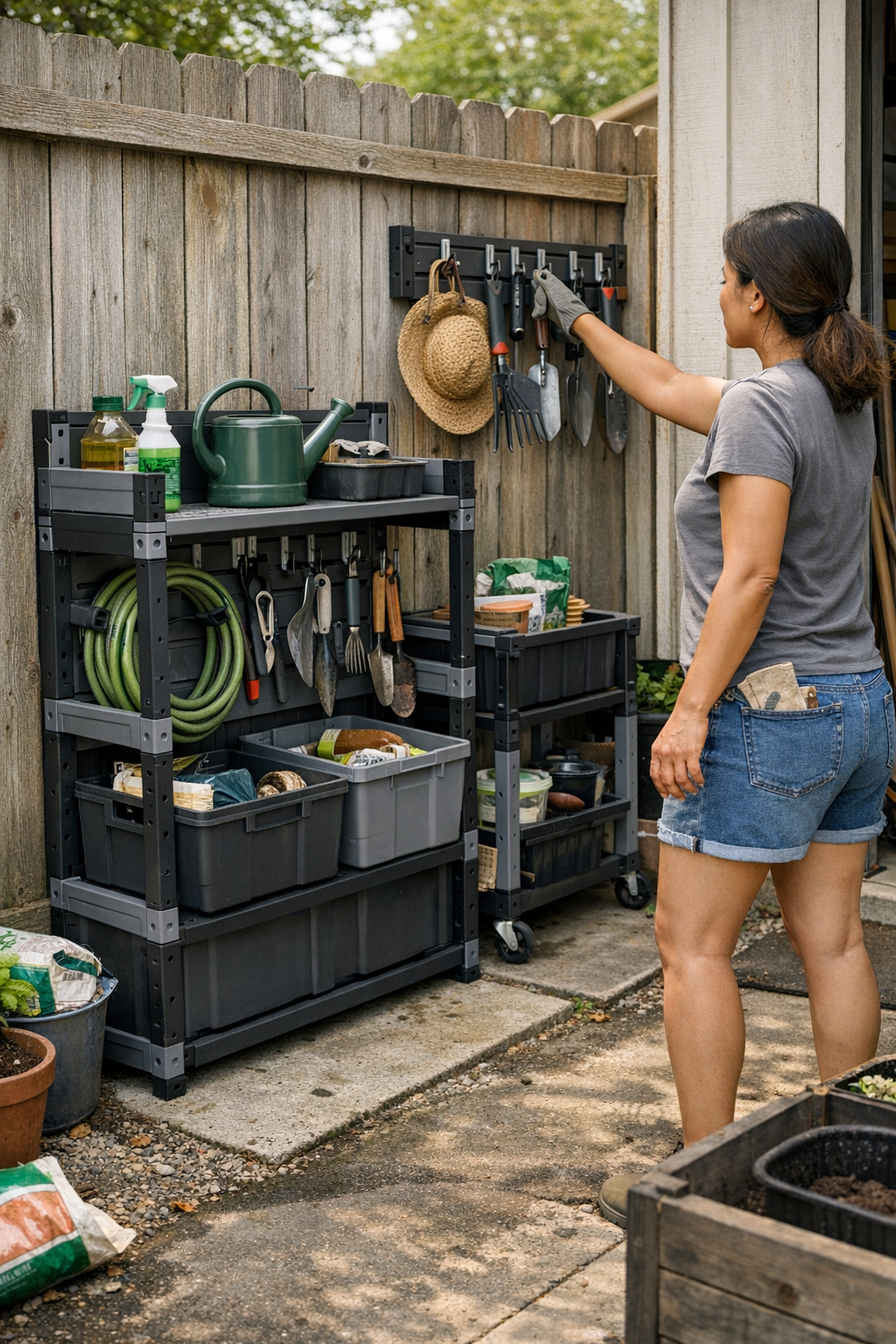
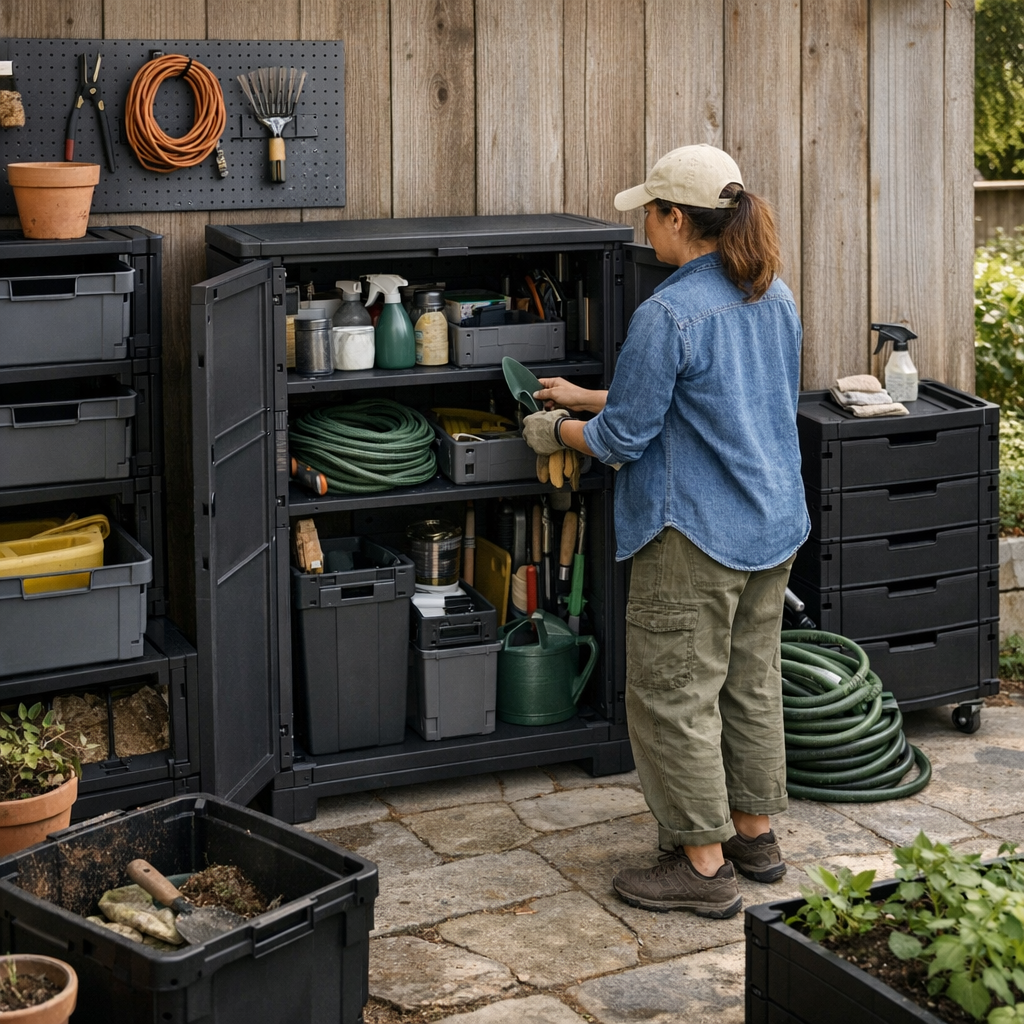
When Storage Meets Everyday Yard Life
Outdoor storage’s true value appears in daily use; systems matching movement patterns ease upkeep and prevent clutter buildup over time.
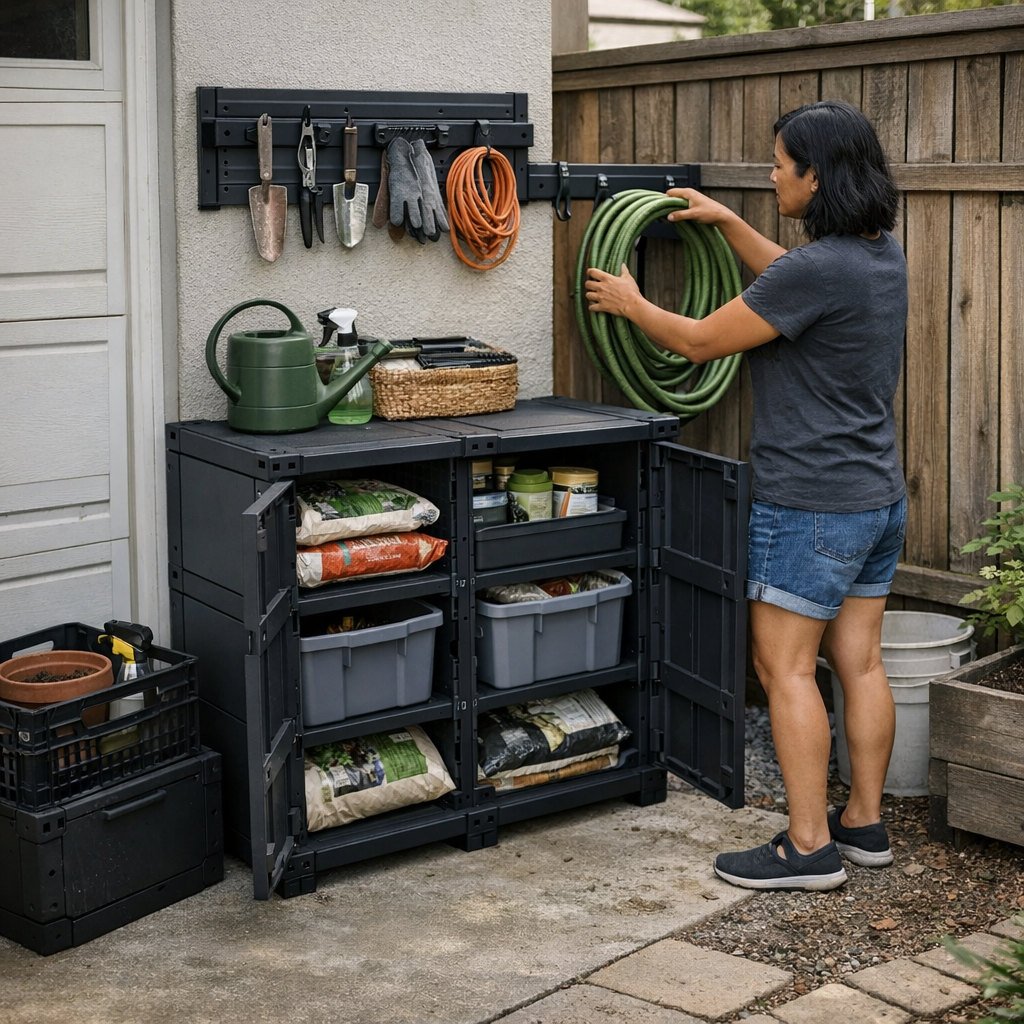
It’s strange how disorder sneaks up on you. At first, the backyard seems to hold everything in its proper place: rakes lean just so, bins nestle beneath the shelves, and the walkways stay wide and clear. Then something shifts—a late soccer practice, a string of rainy days—and suddenly the lines blur. What was once easy falls out of step. This is where the reality of a backyard storage setup quietly announces itself: not in perfect moments, but in the soft push and pull of everyday use.
When Clutter Finds Its Own Path
You don’t notice it immediately.
But when a storage system doesn’t quite fit your routines, the signs begin to show around the edges. A path that once led cleanly from the gate to the shed narrows, equipment piles up near the door, and anything in daily rotation gets left somewhere close at hand—usually not where it ‘belongs’. I’d thought having clear floors or sleek wall racks would be enough. But any structure, no matter how good it looks in the morning light, starts to reveal its real personality as the week unfolds.
That was the part I kept coming back to: not just what could be put away, but how small mismatches made returning things quietly harder. The subtle kinds of friction that stay invisible until motion slows down.
The Storage We Think We Want
There’s a promise in wall racks: clear floor space, easy visibility. It’s a little intoxicating at first—hooks lined up, tools in plain sight. But the discipline they need is relentless. Squeeze too many items onto a shelf, or place hooks a bit too high, and the system tips from useful to ignored. Enclosed benches and bins seem to offer relief. Clutter goes out of sight, and the yard looks calm again. But lids stack up with half-remembered items inside, and soon enough, that out-of-sight mess creates its own small obstacle.
In a lived-through space—a side yard pressed into service every week—these design intentions clash with real life. After a busy day, the patience to carefully slot everything into its precise place isn’t always there. Sometimes, it’s enough just to drop things near the door and move on.
The Subtle Shift That Helps Things Re-Set
Eventually, I found myself measuring the value of any storage tweak by how gently it could absorb the daily scramble. Not by how tidy it looked for guests. Not by how well it hid the mess. Just by whether it let everyone come and go smoothly, and if resets got easier instead of harder.
Installing five shoulder-height hooks in a spot we naturally touched on the way inside made the return path feel less like a chore and more like a pause. I noticed that reducing the volume—one solid modular unit instead of bins for every category—helped too. Maybe it’s a kind of soft limit, keeping new overflow from becoming permanent. In this way, the space began to hold its own shape again, not by force, but by fitting the rhythms already there.
I still catch myself tempted by perfect systems, the ones that promise to erase all disorder. But now I look for setups that invite a little forgiveness, and that actually give the day’s clutter somewhere to land.
These thoughts came together while quietly tuning my own setup: http://www.tidyyard.myshopify.com