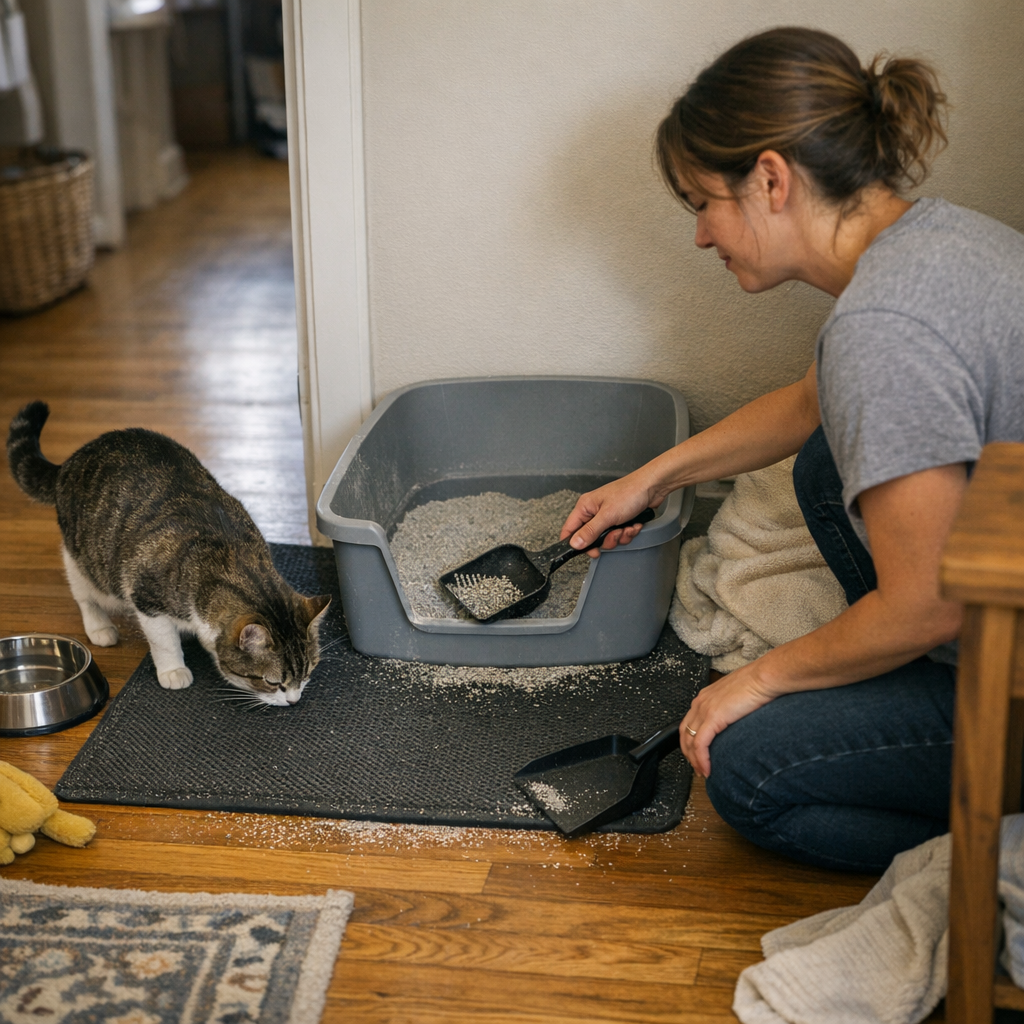
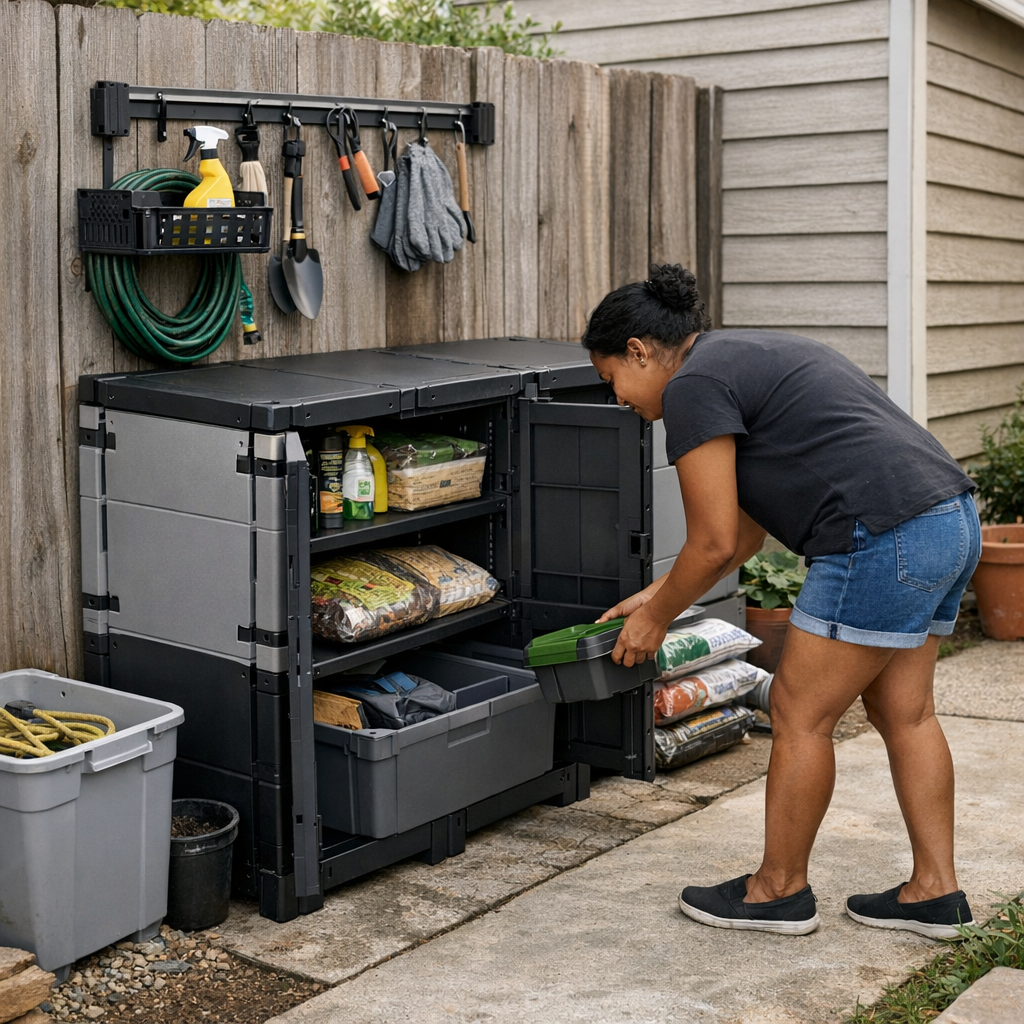
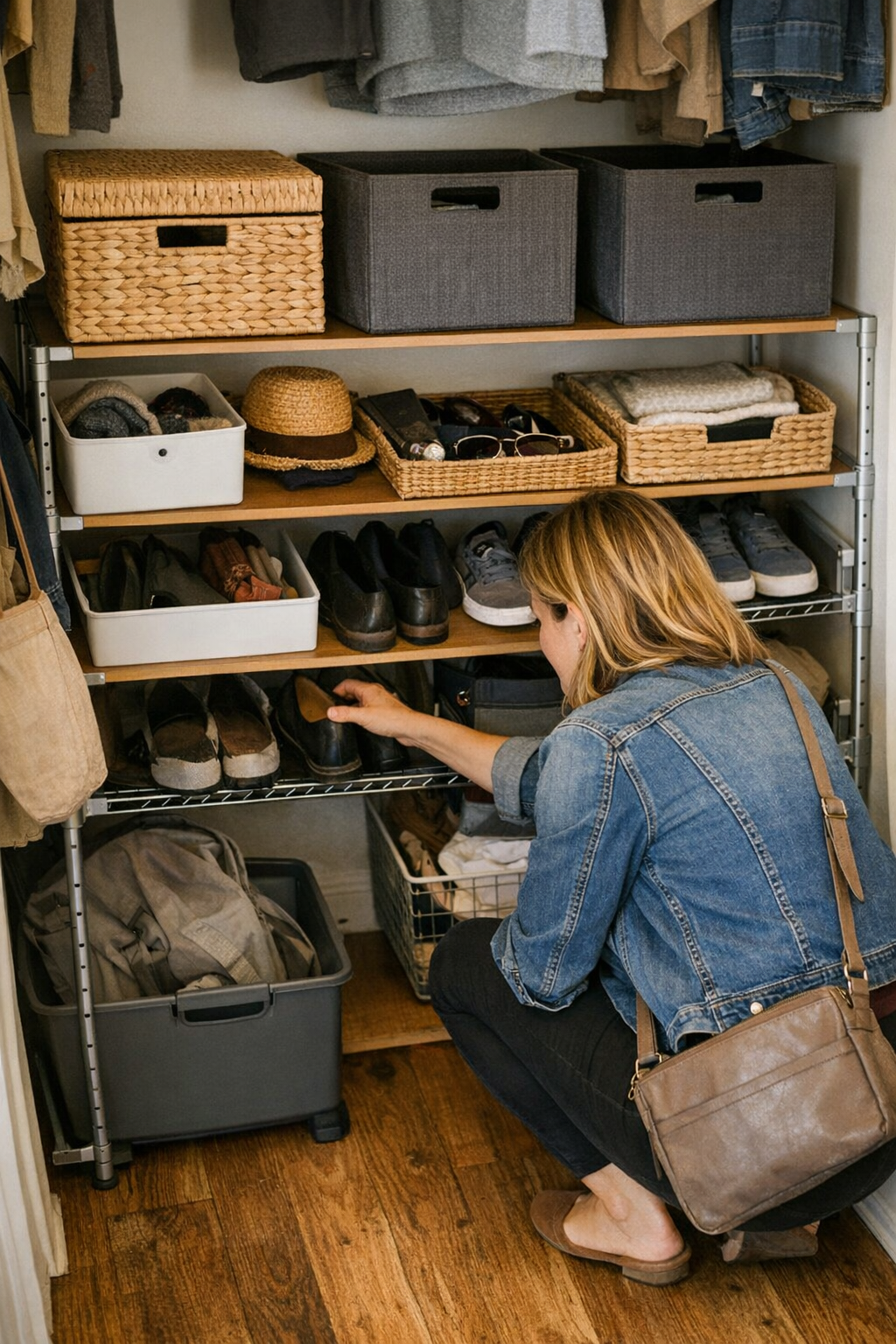
When Storage Shapes Your Everyday Routine
Rigid underbed bins hold shape under heavy use, preventing content shift and making organization easier over time.
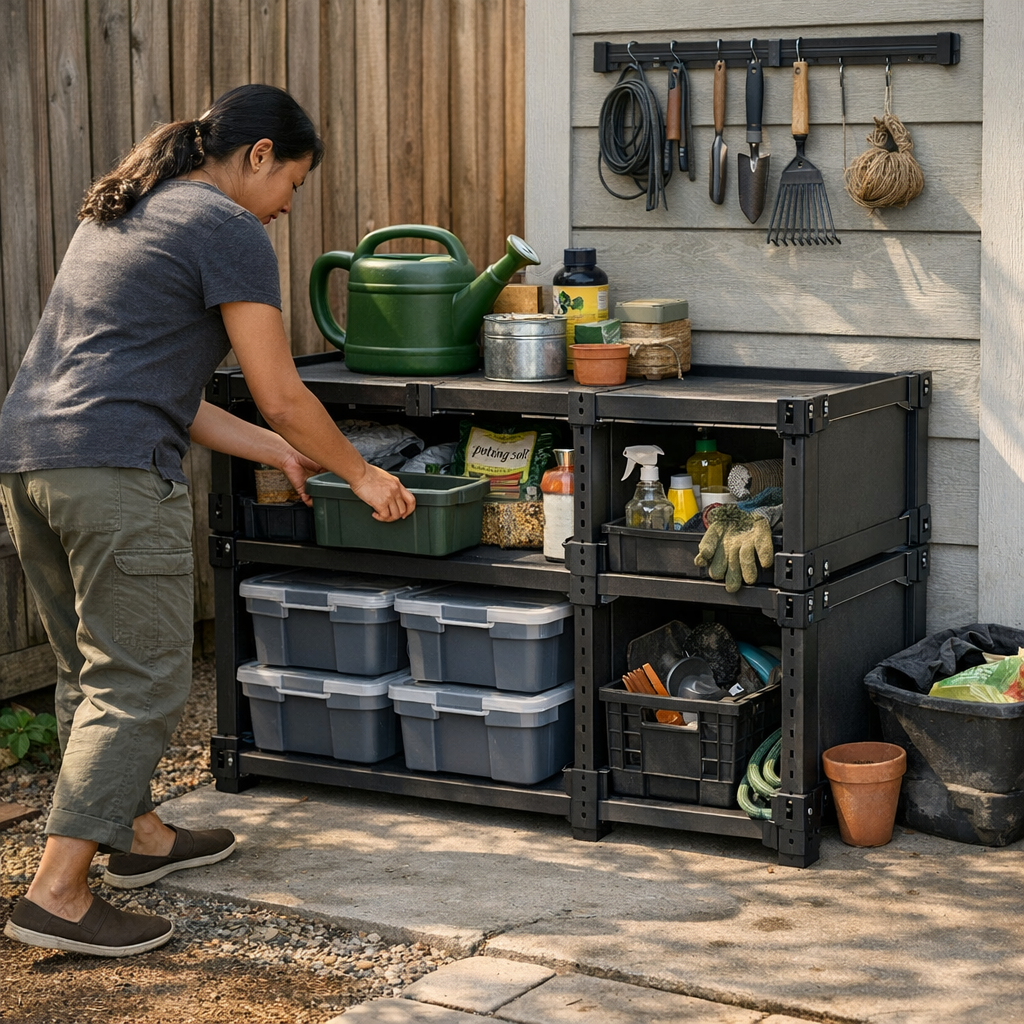
It often starts out looking organized. The first time you slide a bin under the bed—filled with off-season shoes or bags of hardware—there’s a clear sense of relief. The kind of order you can feel, even if you don’t notice it right then. But it’s surprising how quickly that certainty shifts once the bin gets regular use.
Pull the bin out a few times. The lid catches, the sides flex. Without realizing it, things inside start drifting. Socks slip into cables, spare hinges settle into the tangle of cords at the back. When the bin can’t hold its shape, even a little, your carefully sorted categories mix, whether you meant them to or not.
You rarely notice this immediately. The routine—grabbing shoes in the morning, stashing something after a late night—doesn’t leave much room for reflection. But the next time you reach in, maybe with one hand, slightly hurried, something small has wedged into a corner. You’re left fishing in the dark for something you expected to be separate.
The Quiet Difference of Staying Rigid
That’s when I began thinking about the bins themselves. Not how they looked empty, all neat in a row, but how they moved once packed and in use within a storage system—whether underbed, in a slim cabinet, or drawer unit.
Soft bins flex under repeated pressure. A full load pulls the walls out, bows lids, and lets everything inside slide toward the sagging side. Order unravels along the seams. It’s subtle—a slow drift—but after enough rushed mornings, the difference becomes clear.
Rigid bins hold their shape: corners stay square, lids keep firm, even when crammed full or yanked out unevenly. My turning point came after upgrading to bins with solid bases and built-in dividers designed to keep contents separated during daily use in a cramped room. Nearly nothing shifted, even with clumsy, hurried handling. That reliability became something I kept coming back to.
Routines Reveal What Lasts
The value of a tough bin only shows after real use—a few scattered weeks of quick retrievals, rushed returns, and crowded edges. In softer bins, edges wilt, socks and tech cords mingle without permission, and you spend extra time resetting what you thought would stay sorted.
With rigid bins, the everyday slide in and out feels smoother. Returning items in a hurry still leaves them in place later. That’s a test that none of the decorative or temporary storage solutions often survive in real-life routines.
Less Fixing, More Using
I didn’t expect bin shape to matter so much. But structure—often more than the material—makes the difference between a storage solution that simply looks tidy and one that works quietly, day after day. It’s easier and less frustrating to keep storage routines intact when bins maintain their lines under repeated use.
For anyone managing hidden storage—whether underbed units, slim cabinets, or drawer systems—choosing bins that refuse to buckle under pressure might be the least visible, most lasting upgrade to reduce category drift, blocked movement, and the reset burden. The rest follows quietly.
Sometimes it helps to see how others put these ideas to use. There’s more on the Gridry site.