When Travel Bags Start to Feel Like a Puzzle
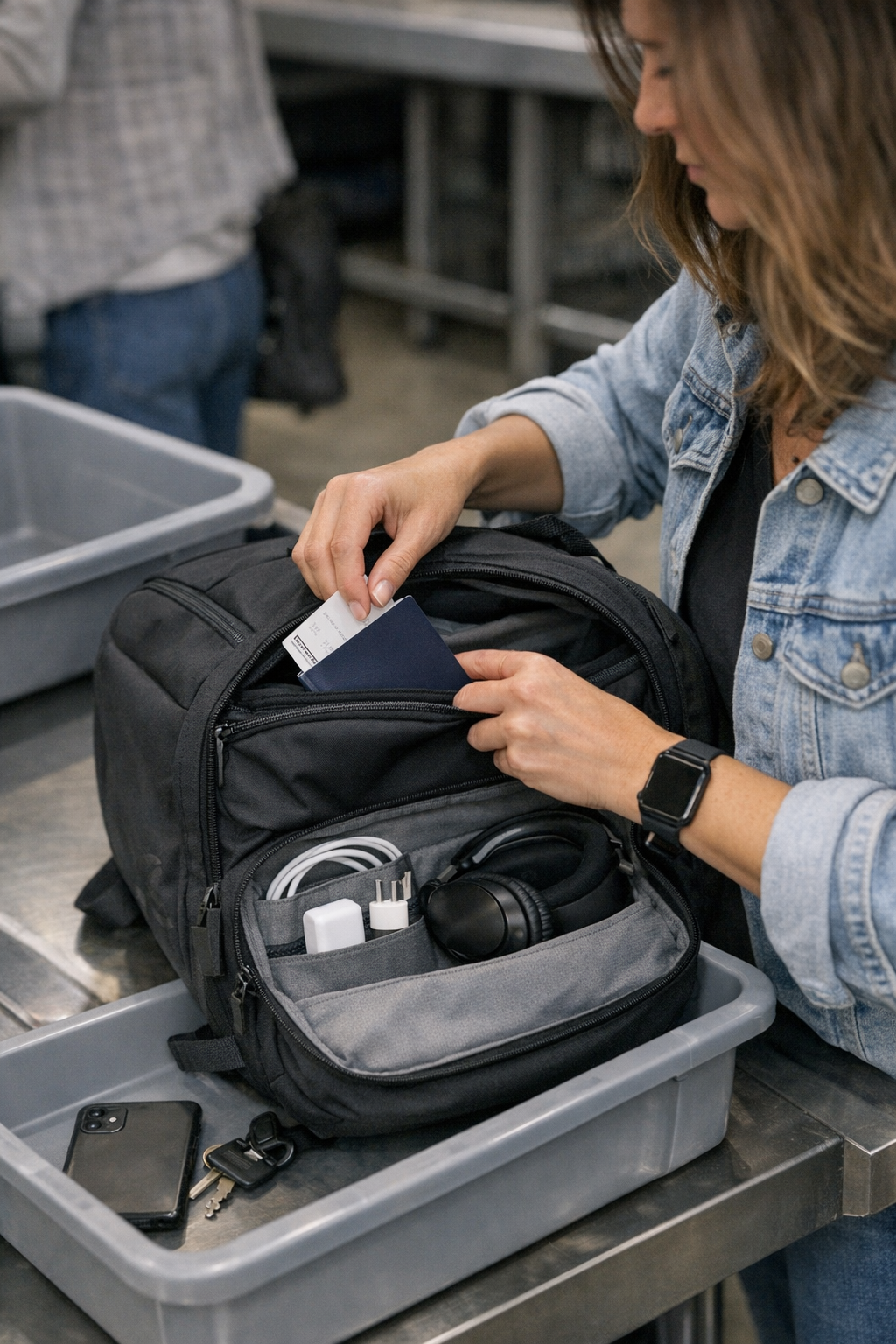
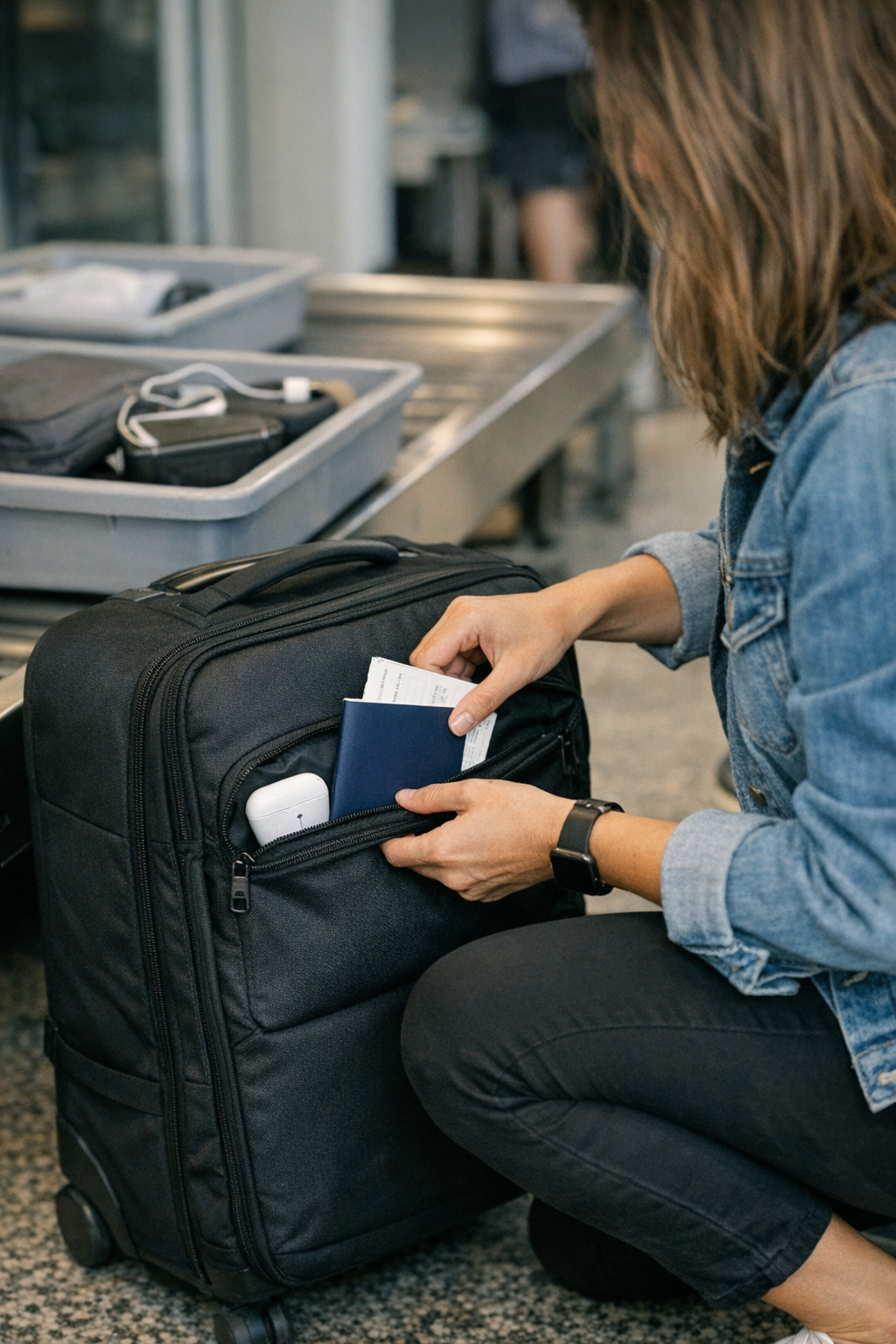
A carry-on that seems organized can break down with repeated access. One exterior pocket for essentials keeps movement smooth and organization intact.
It’s a sly sort of thing—packing a carry-on until it looks just right and, for a brief moment, feeling like you’ve outsmarted the small chaos of travel. Every organizer snug, cables wrapped, passport and papers perfectly tucked away. It all makes sense, until the moment your routine is interrupted—your ID needed sooner than planned, headphones before finding your seat, or a sudden scramble at the tray line. In these in-between spaces, when order meets the speed of movement, the bag you packed for calm ends up slowing you down by a fraction every time you reach inside.
How Access Gets in the Way
At first, it looked fine. I packed with intention, every pouch promising more control. Yet somehow the bag became harder to reset after each grab. The slide of a zipper in a busy aisle feels very different from the slow, private unzip on a bedroom floor—there’s pressure to get in and out fast, keep things together, and avoid blocking the line.
Whenever an item was layered under another, retrieving it scrambled the order just a bit more. Which pouch held the passport? Why did earbuds vanish beneath a mesh insert? Those routines repeated. After security, repacking left cables in wrong spots and a pocket that once looked tidy started collecting whatever I grabbed in a rush. Minor slips, but small differences stacked up.
The Real Test Is Movement, Not Appearance
You really notice it after several transitions. At the third gate or when boarding is called, the outer polish fades and the habits of where items belong reassert themselves. Under stress, even the cleverest interior layout demands too much—too many steps to dig out a document, too many zips just for a charger. The supposed order becomes an extra task layered on top of already fragmented moments.
The shift was realizing speed mattered more than visual calm. The less I had to sift and unzip to reach a frequent item, the less everything else was unsettled. Reserving a single, obvious exterior pocket just for the items I needed next—boarding pass, passport, wireless headphones—meant less disruption rippled through the rest of the bag. Nothing fancy, just a little less drag where it counted.
The Small Change That Changes Everything
It’s usually not dramatic: singling out one easy-access spot and resisting the urge to cram it full. Passport and ticket placed high—never buried under pouches or mixed with cords. I stopped bunching all quick-access essentials together, which quietly prevented the worst kind of pocket mess. A simple choice, but easy to postpone in the name of neatness.
In the real flow of moving, boarding, shifting seats, and repacking on the fly, that single protected pocket did the most work. It was the fix that made the rest of the bag stay truly organized, not just look like it. That recurring benefit kept coming back.
If details like this tug at your own routines, you might find more small changes worth trying here: http://www.carryonsupply.myshopify.com