When Travel Demands Quick Access, Organization Must Adapt
Carry-on organization is tested in real travel; a dedicated pocket for documents and essentials reduces retrieval friction and speeds movement.
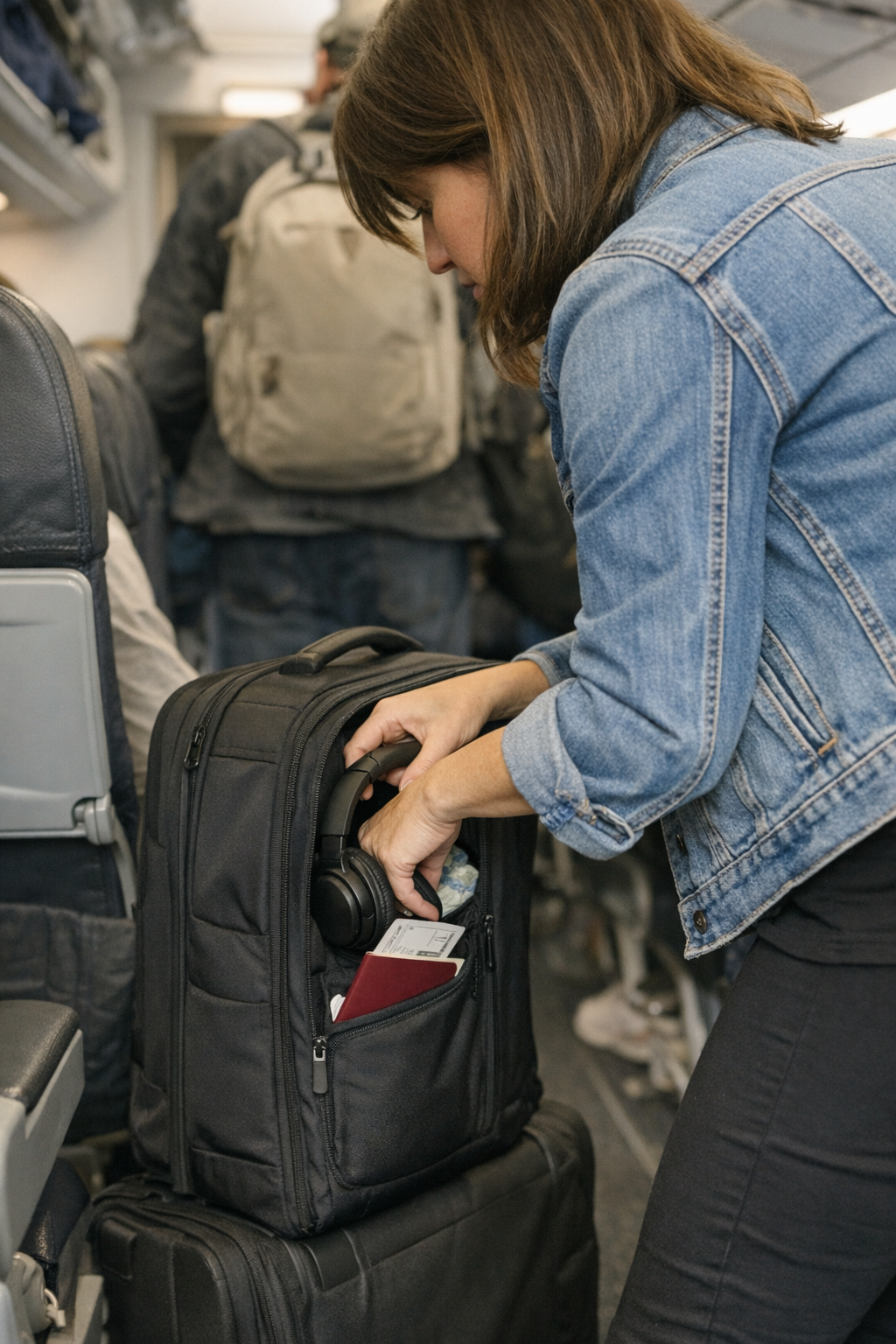
It never really announces itself—the slow drag of a bag that just can’t keep up when you’re on the move. For a while, it’s easy to believe everything is sorted—pouches zipped, organizers lined up, passports and chargers corralled tidily wherever feels right. But each time I found myself wedged in security lines or stuck halfway down an airplane aisle with my carry-on at my feet, it became obvious: the neatest system unpacked on the bed is only half the story. The real test starts the second you need something right now, and your hand meets an unexpected wall of other items in its way.
The Shift Becomes Obvious Mid-Motion
You notice it after a few transitions. The bag that looks precise in photos or checklists starts to unravel where it actually matters. What seems logical when packing—color coding, nesting tech with travel documents, building perfect symmetry—quietly trips you up after the first repack in a tight seat or quick move through a checkpoint. I kept feeling it: that quick spike of irritation reaching for headphones or a passport, only to find them tangled in a compact pouch or shadowed by cables tucked “conveniently” next to them.
It looked fine at first. But the difference kept showing up. Every forced pause or wrong-pocket reach stacked up, until “organized” became just another layer to manage, not a relief.
Where Order Slows Down Instead of Speeding Up
There’s something quietly frustrating about setups that shine best when undisturbed, only to turn into a puzzle the moment you’re in motion. The multi-use pouch becomes a mini obstacle course: cables wrapping around notebooks, adapters pressing into paperwork, boarding passes sucked under a plug. When urgency arrives—crowded aisle, pressured gate check—each overlap draws out your access time. People behind you shuffle closer, and you find yourself apologizing for a bag that looked efficient just a moment ago.
That stuck with me. Not the visuals, but how much access actually cost. The neatest-looking setup often hides a kind of inertia that makes fast movement harder every time you open, lift, close, and repack.
A Simple Amount of Separation Changed the Rhythm
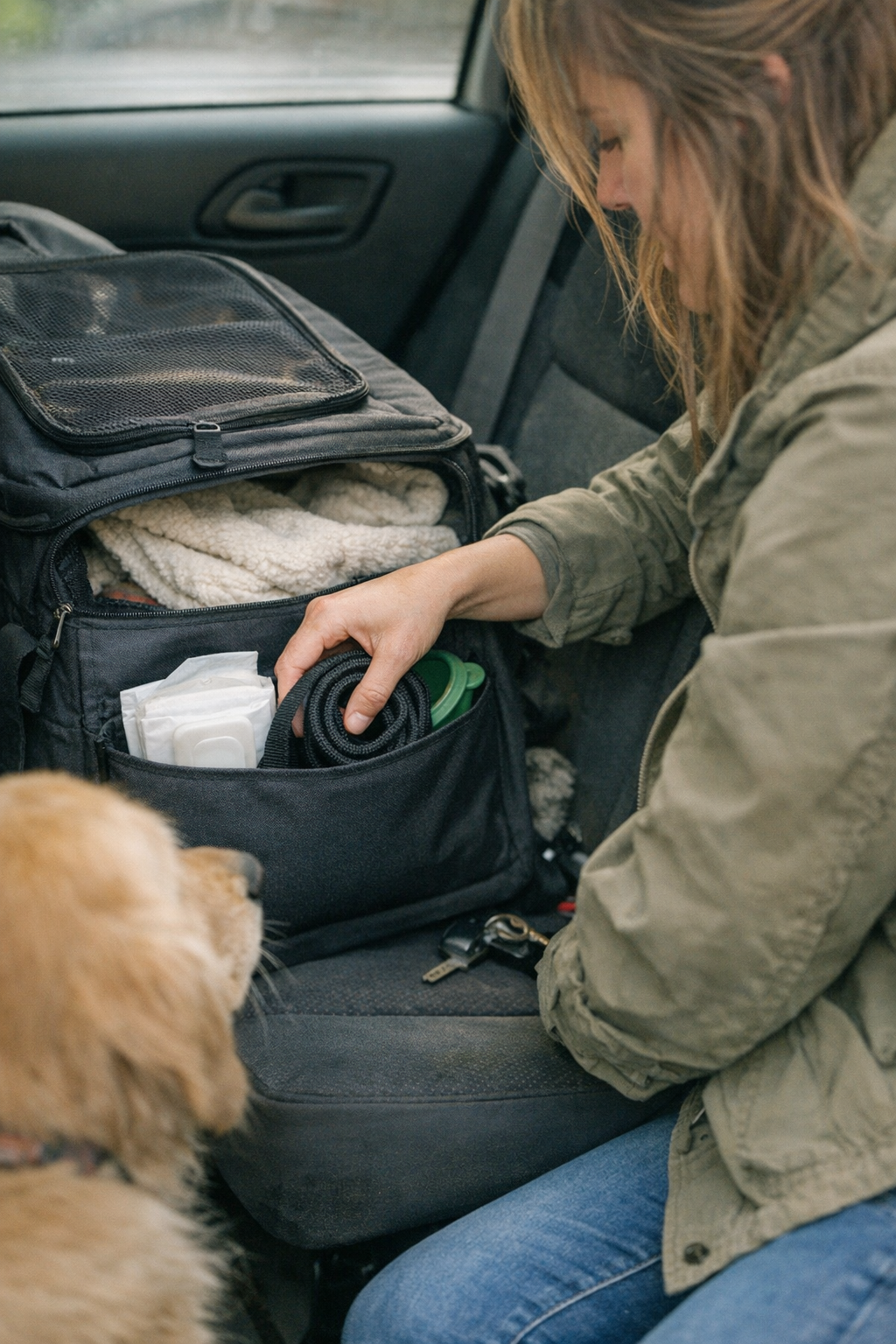
I started pulling the essentials—passport, tickets, headphones, one comfort item—into a plain vertical side pocket. Nothing fancy, just its own spot, untouched by anything bulkier or multi-purpose. Suddenly, there was no pause, no layer to dig past—just one predictable motion. Even jammed under a seat or spilled in the aisle, everything needed mid-move stayed exactly where it belonged.
Having that pocket as a home for only in-transit essentials meant my routines could loosen: no more repacking after every check, no re-tangling at every tray transfer. Lift, grab, move. The coherence wasn’t in layering more pouches but in refusing to sacrifice quick retrieval for visual control.
Now the bag feels lived in—a little less picture-perfect, but much easier to trust. That’s what stayed with me.
For anyone wanting to see what I mean, here’s where I started noticing these details: http://www.carryonsupply.myshopify.com