When Travel Gear Shapes the Calm Between You and Your Dog
When travel gear hides friction, it disrupts movement and pet mood. Clear, accessible pockets calm transitions and prevent routine stress buildup.
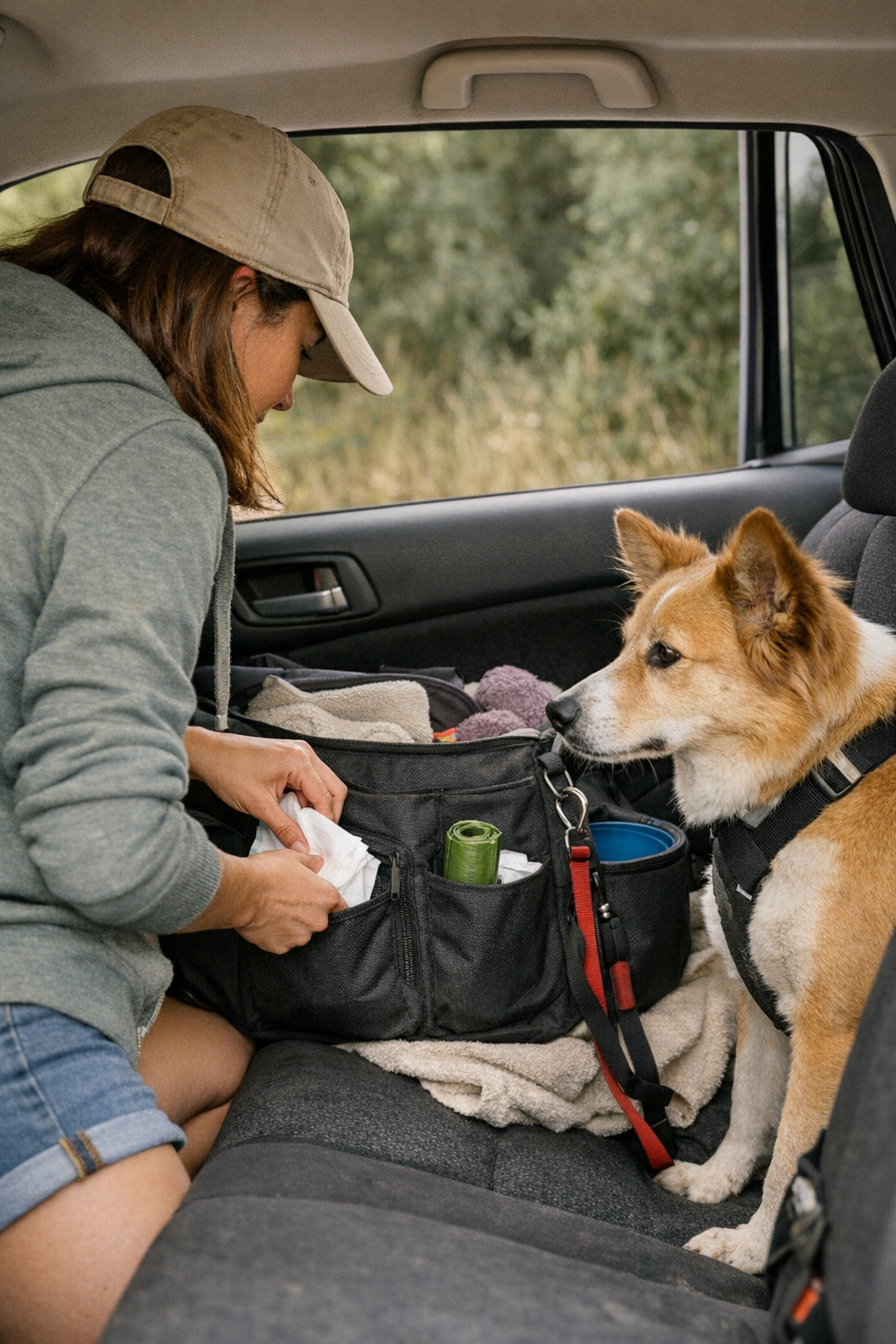
You only notice it after a few tries—the way a pet travel bag that looks ready on the driveway starts to fall apart at the first rest stop. The sense of calm order from home begins to slip as soon as you’re juggling a leash, a bottle, and a half-untucked roll of waste bags, all while your dog waits, expectant and a little wound up by your own hurry. What was supposed to make movement easier somehow adds friction instead, the small kind that piles up when the trip isn’t a single stretch but a patchwork of stops, quick walks, and constant returns to the driver’s seat.
The pressure shows in quiet ways. A zipper grits, wipes aren’t where you reach for them, or you end up laying toys on the floor just to find the treats that slipped under everything else. It doesn’t look like chaos at first—just a little lag as routines stretch at each pause. But with every repeated stop, the gap between feeling organized and actually moving smoothly keeps growing.
The Small Delays That Stack
At first, I shrugged it off. Digging for wipes or a leash felt like a minor hassle—nothing unworkable. You tell yourself you’ll repack better next time. But the difference kept showing up, not in the packing itself, but in the repeated act of taking things out and putting them back in, over and over, from parking lot to curb and back.
Each slow reach or blocked pocket is a message your body sends—frustration, impatience—and your dog immediately senses it. Three stops into a drive, I felt it: a subtle shuffle in the front seat, my own tension rising as treats tangled and cleanups dragged out. Even when the outside of the bag still looked neat, the inside had spread into a slow sprawl that made every small step take longer.
How Access Changes the Tone
The quiet fix came not as a big overhaul but as a small adjustment: putting wipes and bags in a pocket I could reach while kneeling at the door, not zipped deep inside the main compartment. It was the smallest shift, barely noticeable until it stuck. Suddenly, returning from stops shifted from a slow scramble into a quick, repeated motion.
With quick-access pockets facing the seat, essentials landed in the same spot every time. At a crowded rest stop, one hand on the harness, the other finds wipes exactly where expected—not scrabbling, not muttering. The difference isn’t visible from outside, but it changes the entire rhythm of the trip. Each small, calm reset plays out again and again on both sides of the leash.
Real Repetition Reveals the Truth
Of all the things that test a travel setup, repetition is the true measure. A bag that only looks organized works fine on the driveway, but once you’re knee-deep in short stops and quick starts, it’s the tiny misalignments—the lost wipe packet, the tangled leash, the extra hand you wish you had—that decide how easy or stressed the entire outing feels.
I stopped expecting the “right” bag to look perfect. What matters is whether it lets you grab essentials in a single motion, reset them without reshuffling, and step back into travel with your dog without passing your rush along. If movement feels smooth, the trip stays steady, for both of you. It’s a small thing, but most dependable routines are.
Sometimes I still find myself reaching the old way, brushing aside a toy or towel, before I remember. That’s how you know the change is real—it shifts the whole pattern of how you and your dog pause and go, again and again.
If you’re curious about setups made for more than just the first stretch of the drive, there’s a collection quietly kept here: http://www.pawgotravel.myshopify.com