When Walks Lose Their Spark at Home
Repeated routes reduce a dog’s scanning and sniffing, signaling lost engagement; minor changes can renew energy and ease routine drag.
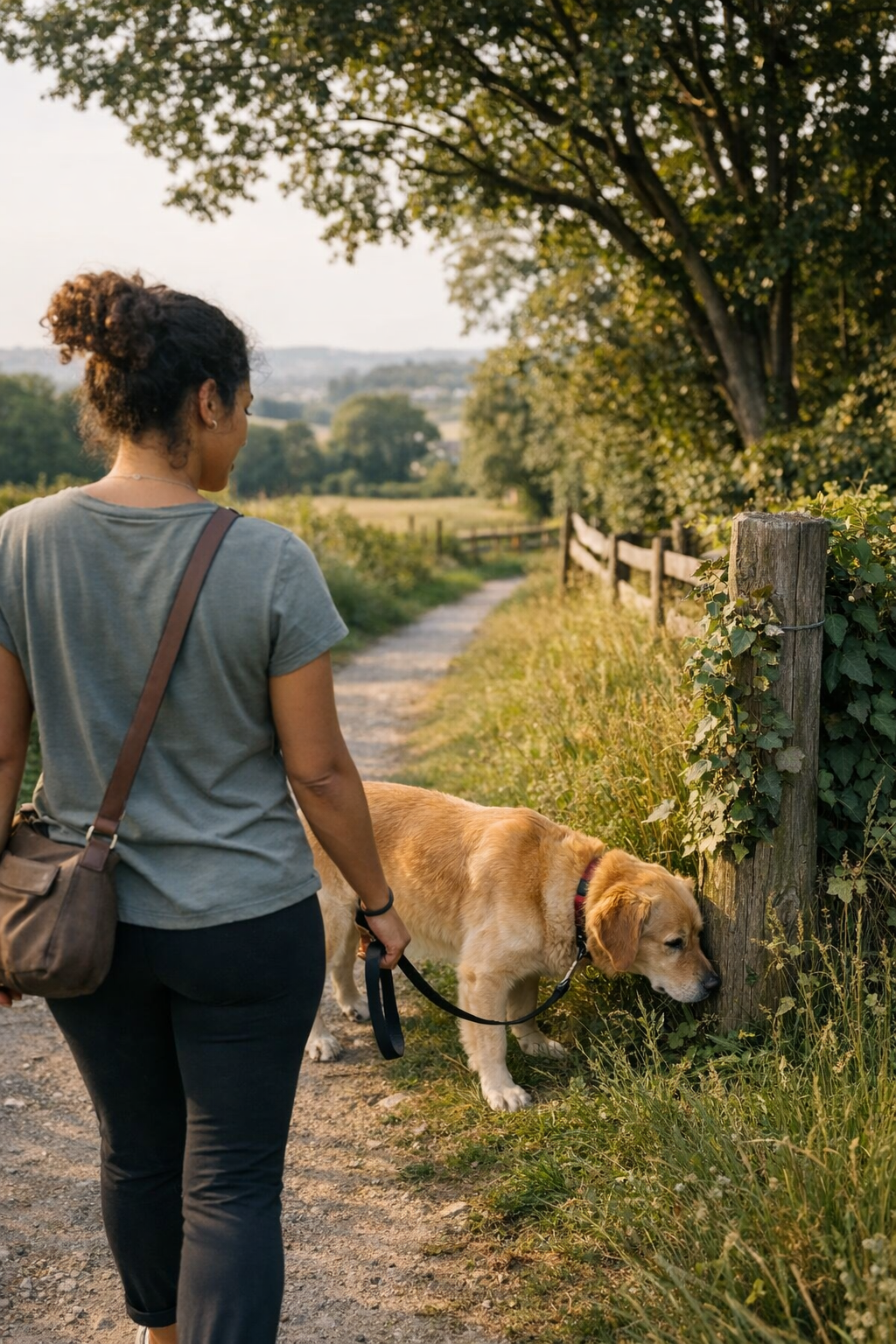
You notice it after a few mornings. A leash hanging neatly on the hook, the water bowl placed just near the door, your shoes waiting where you left them. The routine looks easy—walk out, take the familiar loop, come back, feed, reset. At first, the morning feels smooth, almost automatic. But with time, you start to see what’s actually missing: your dog’s head held lower to the ground, less pulling toward something new, the usual pauses shrinking, losing their purpose each day. It looked fine on the surface, but the repeated route quietly drained what used to make the walk worthwhile for both of you.
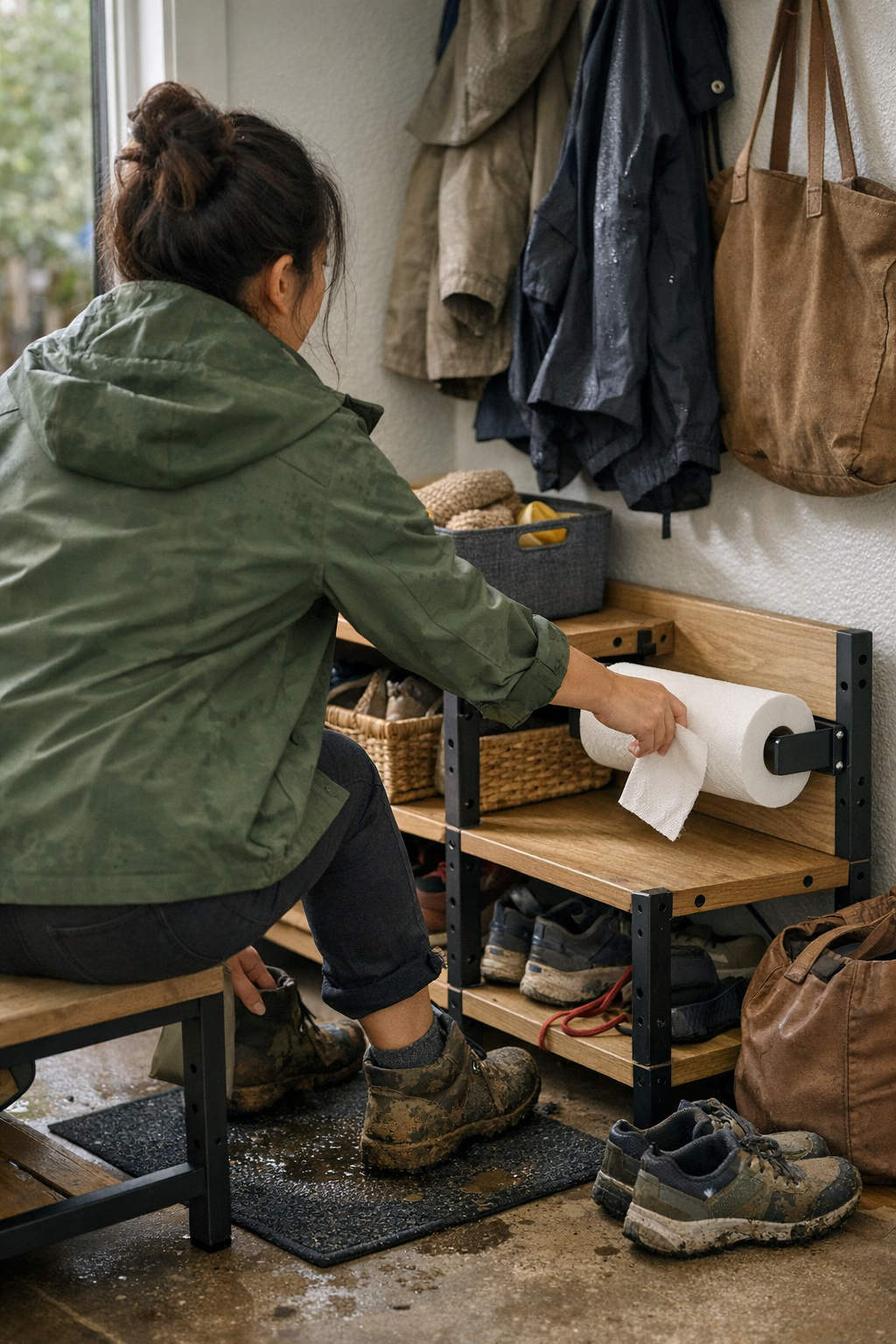
I used to like how it all lined up: the bowl in its spot, the towel ready for muddy paws, treats waiting on the same counter ledge. We moved as a unit—two patterns cycling neatly: human and dog. But by the third week, I saw that “neatly” didn’t mean lively. It meant bored. The first time I really noticed, we were rounding the same overgrown hedge up the block. My dog glanced up, paused briefly, then kept going, the nose barely flicking sideways. The difference was smaller and more subtle than I expected.
The Disappearing Pause
There’s a rhythm that becomes part of the walk—a tug at the leash, the nose buried in wet grass, a stubborn stall at a lamppost while the traffic builds behind you. For a while, it feels like normal distraction. But it changes. I realized my dog was skipping those old sniff stops. The walk got faster but strangely thinner.
Sometimes, a tidy route turns into a quiet treadmill. The water bowl refills, the leash retracts smoothly, and the towel hangs awkwardly on a doorknob that never quite dries fast enough. I kept telling myself the routine was ease—but it started grinding us down. I only fully noticed when my dog left a favorite toy by the door for the third day in a row, ignored on the way out, untouched when back home. That return to routine was dulling us both.
Small Interruptions, Repeat Patterns
I tried to shake things up by moving a few things around, hoping a less cluttered entryway or a busier corner would help. It didn’t. The spot where his bowl sat became a slip hazard on rushed mornings, the towel arranged for quick grabs kept slipping to the floor, and the rest corner that should’ve been inviting collected forgotten toys and shed hair. The crate entry felt tighter, the grooming pouch harder to reach, and muddy paws tracked more since the wipe setup didn’t move with us.
Then I saw the pattern: as routine became habit, it stopped waking my dog. Engagement bled away, replaced by mechanical steps—walk, pause, eat, repeat. All the setups meant to help—bowl within reach, towel ready, toys in place—worked less well with repetition. They started blocking smooth flow: slower post-walk resets, interrupted grooming rhythms, lingering clutter by the rest area, toy overflow spilling into walking space. The easy surface tidiness had hidden these daily frictions.
The only change that helped: turning early at a corner we always passed, adding five minutes and a different street. Suddenly, he sniffed again. That little detour was the part that kept returning.
Noticing What Still Works
The lesson snuck up quietly. It wasn’t that calm structure or routine were bad—my dog comes back to the same soft bed every night almost by reflex. But not everything I set up for “convenience” really eased the day. Some things just pushed the pause further down the line and made cleanup harder. Misplaced towels meant slower drying, blocked bowl access meant slower drinking, and toy overflow meant slower movement. The grooming arrangement that worked for one week felt frustrating and unplugged the next.
What broke it open was the reminder that small unpredictabilities brought us both back. The alternate street with new scents, a slightly shifted bowl location, finally a towel truly within reach. No need for an overhaul—just a small adjustment, and the walk felt less like a commute. That lighter flow meant we returned calmer, paws cleaner, the hallway less cluttered, and both of us less flat at the day’s end.
These details seem minor, but they build up fast. I didn’t notice the clutter until it interrupted me daily. I didn’t register the lack of sniffing until my dog looked up for direction more than the street. And I didn’t know how much the walk could change until I let something new slip into the pattern now and then.
Sometimes, routine helps. Sometimes, routine just saps the day dry. The real difference is quiet and easy to miss—found in the way your dog starts the walk and how you both finish it.