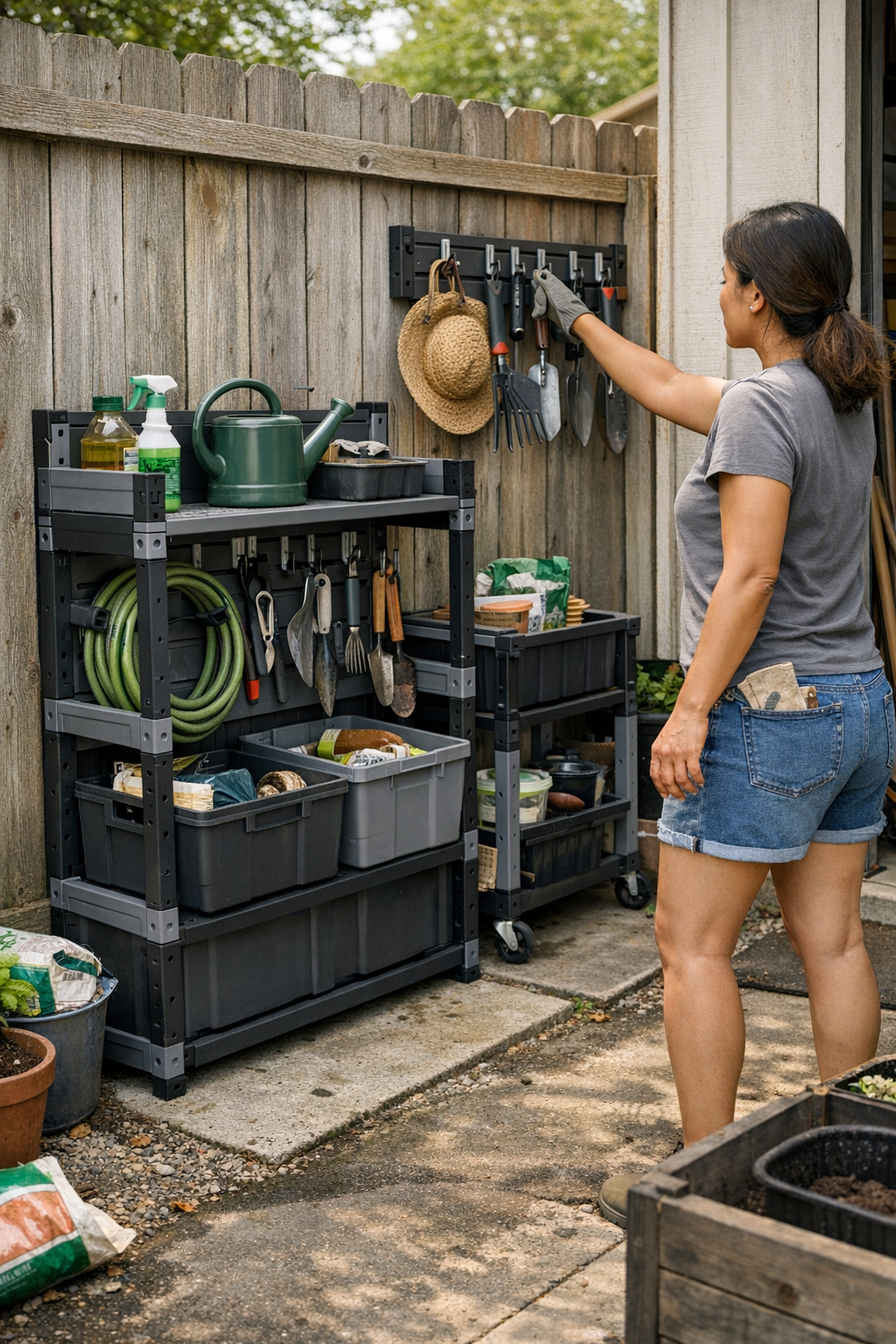
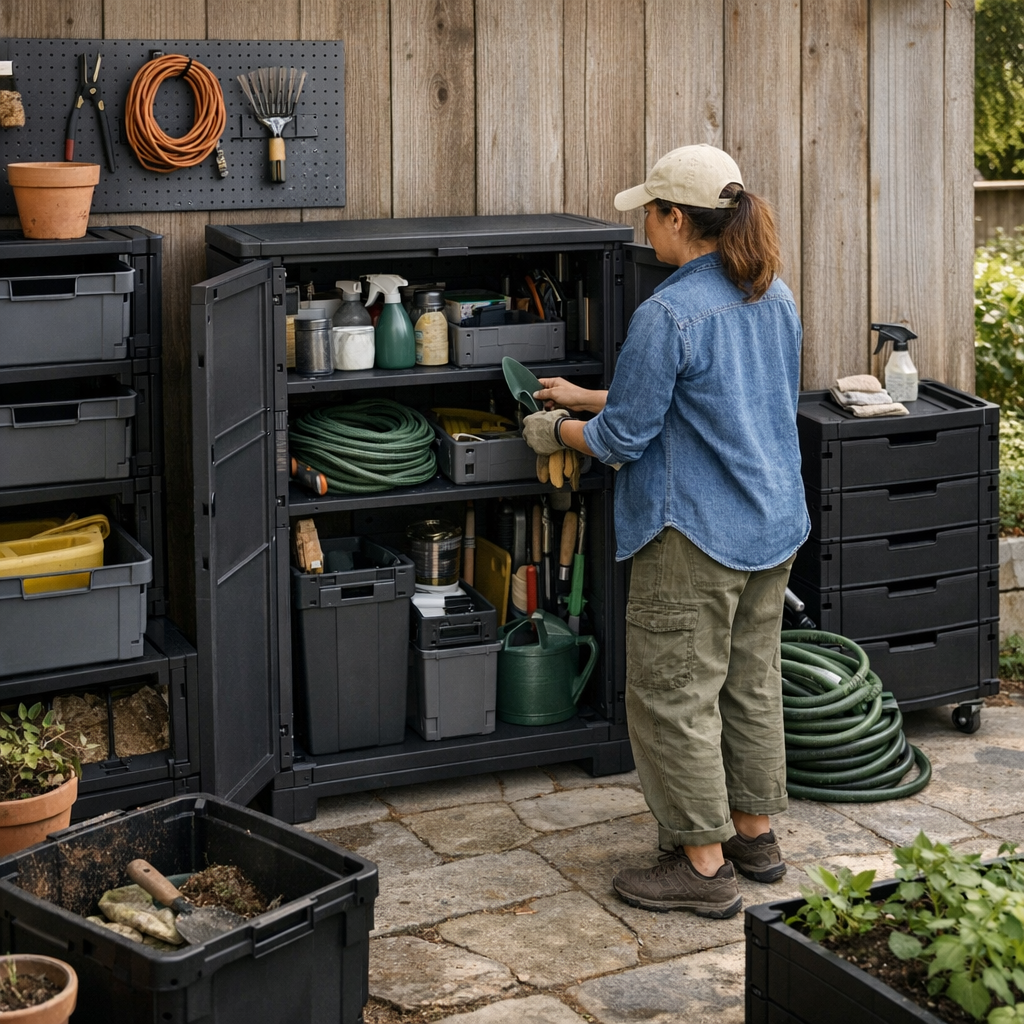
When Wall Storage Becomes Part of Daily Flow
A wall storage system works well only when it maintains clear movement zones, prevents clutter, and supports flexible, repeated use.
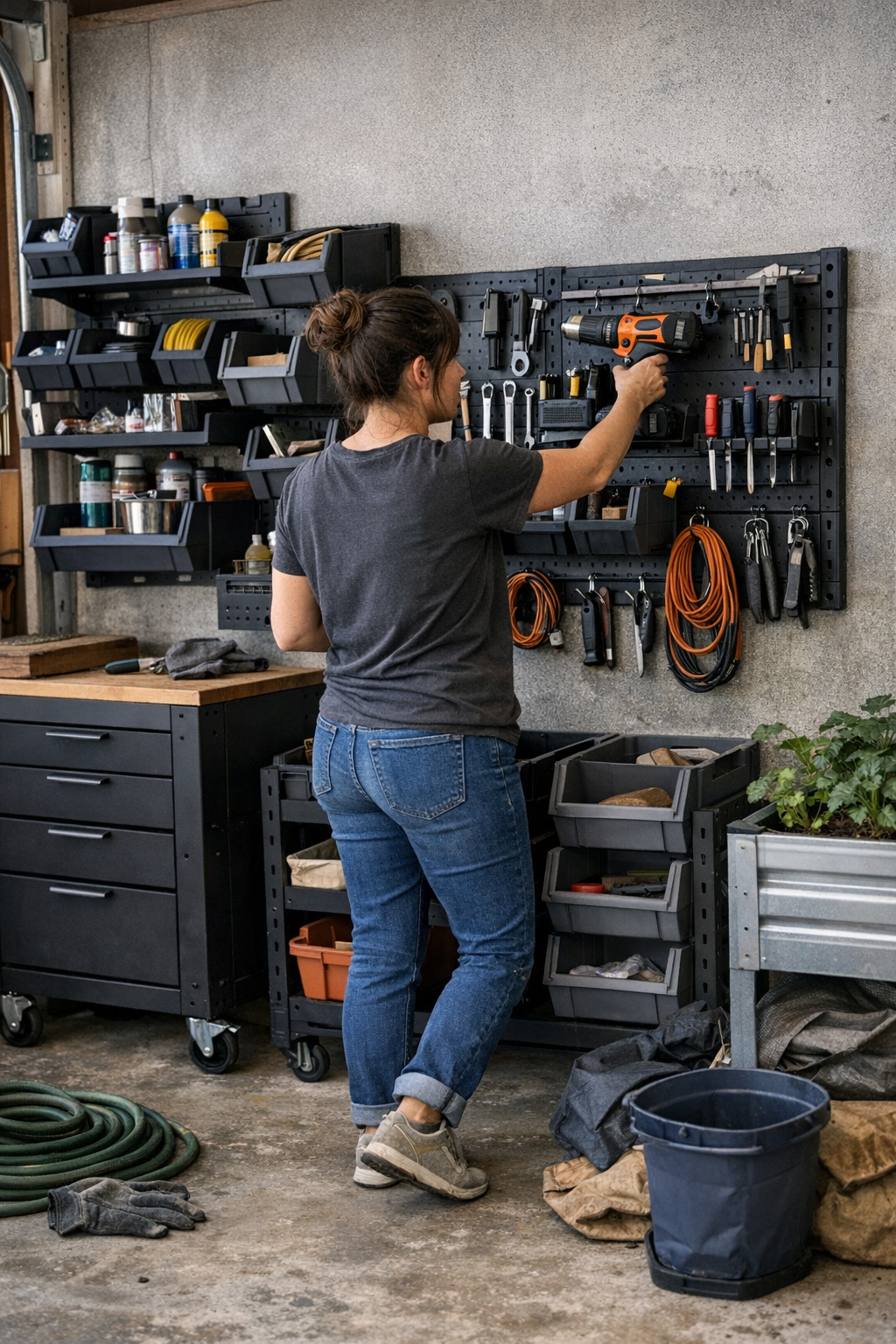
The satisfying order of a well-organized garage or workspace rarely stays perfect for long. At first, the wall system is pristine—hooks aligned, bins in place, everything having a clear spot. The promise is efficiency, freedom from clutter, and a smooth path for every task. But as days blur into weeks, something subtle starts to happen.
You might not notice it immediately, but you feel it. The friction arrives softly. Not all at once, but in the shape of a crowded walkway or the small hassle of hunting for one tool buried behind another. What was once a clear, open space now quietly demands your attention—a stray screwdriver here, a crowded bin there. Without warning, the system designed to bring clarity begins asking for more effort just to keep up.
The Space Between — Where Routine Slowly Speaks
It’s easy to trust appearances at first. A wall-mounted system with panels and rails looks convincing and well thought out. But real habits have a way of unraveling surface order.
Day after day, well-meaning categories bend to fit new projects, and a hook emptied in the morning overflows by night. There’s that awkward shuffle at the end of a busy afternoon; maybe your arms are full, and the pathway you left open three days ago is suddenly narrower. Without realizing it, you make small detours, step over “temporary” piles, and start working around the organization you built.
Eventually, “temporary” becomes the new normal.
Where Clutter Hides, Friction Grows
It isn’t the hardware that shifts — it’s the flow of movement and the pressure points that appear under real use. I noticed it one Saturday, after a backyard repair: bins creeping into walking lanes, hooks blocked by overflow. Hanging up a drill suddenly meant rearranging half the wall.
Here, the wall system’s usefulness quietly falters. Not because the panels fail, but because they allow small backlogs to gather in high-traffic spots. What once felt tidy turns into an obstacle course. It’s a reminder that even the best initial setup can lose its way — slowly, and in plain sight.
The real test isn’t whether a space looks organized after cleanup, but whether it stays effortless to use when you’re busy, distracted, and just want to put things back quickly.
A Subtle Shift Clears the Way
The answer, for me, wasn’t a grand strategy but a quiet adjustment: protecting one clear strip of wall, about 70 centimeters wide, open from floor to shoulder. It became the space that always had to stay empty—no bins, no low hooks, nothing to catch overflow. When elbows brushed that corner, it meant something needed to move, not just be tolerated.
That one change shifted everything. Paths stayed predictable. Tools naturally found their way back without extra hassle. Instead of fighting creeping clutter, I became more aware of how small choices add up — what goes where, and why. There was more ease, less noise.
A workspace isn’t just a place to store things; it’s a place for movement. The fewer times you have to think about where to step or where to stash something, the more it supports you quietly, in the background.
Sometimes, leaving room for movement matters more than even the best wall system.
These thoughts took shape during a slow weekend spent reworking a section of my own garage.