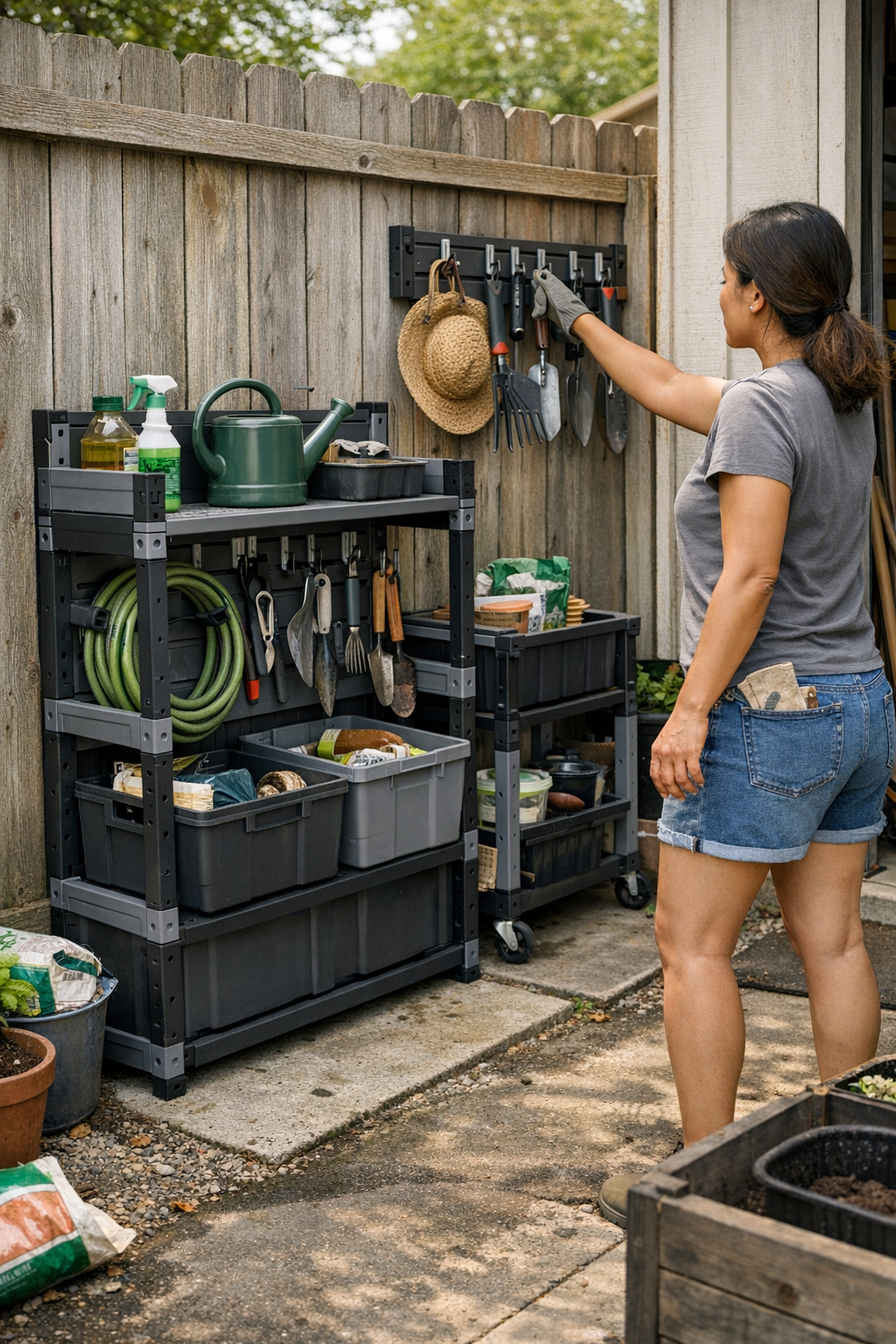
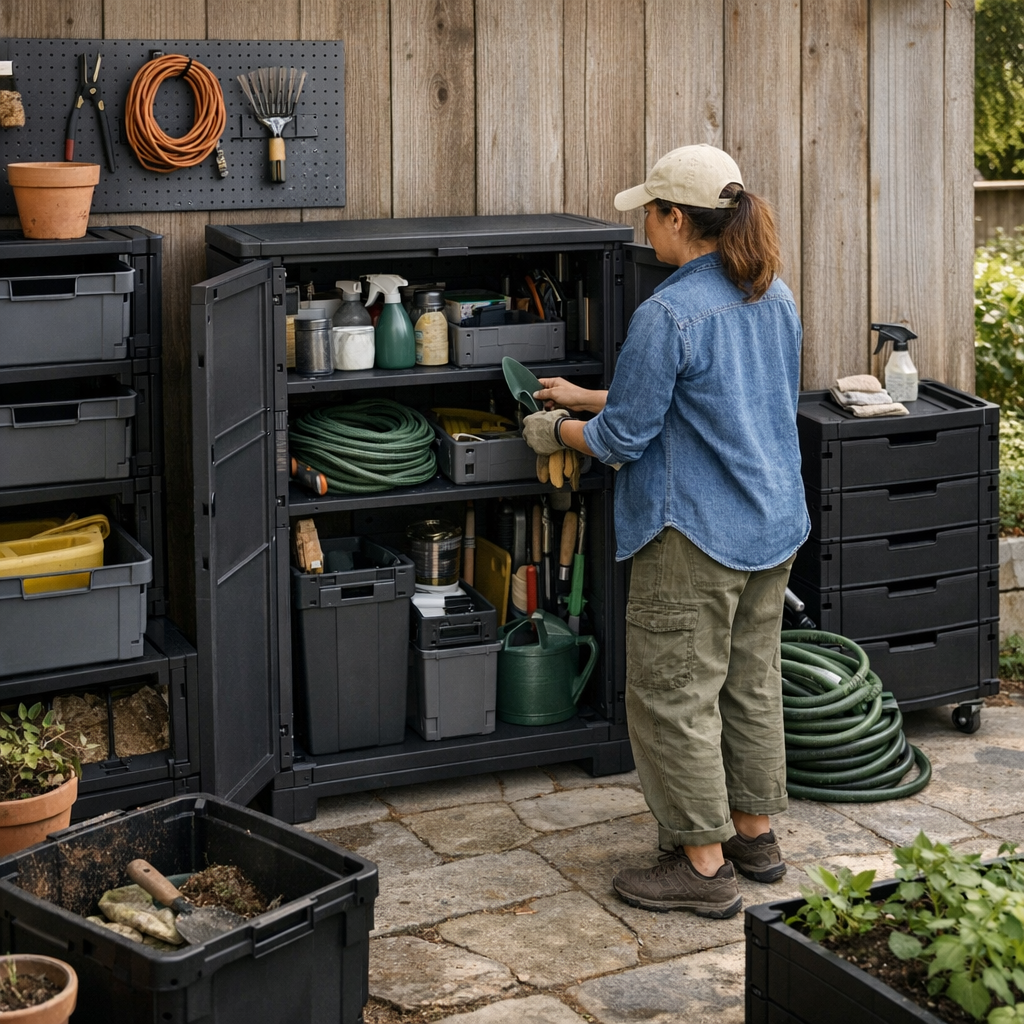
When Yard Storage Shapes Everyday Outdoor Flow
Choosing wall storage for small yards requires systems that adapt to real use, reducing clutter and friction over time for easier daily resets.
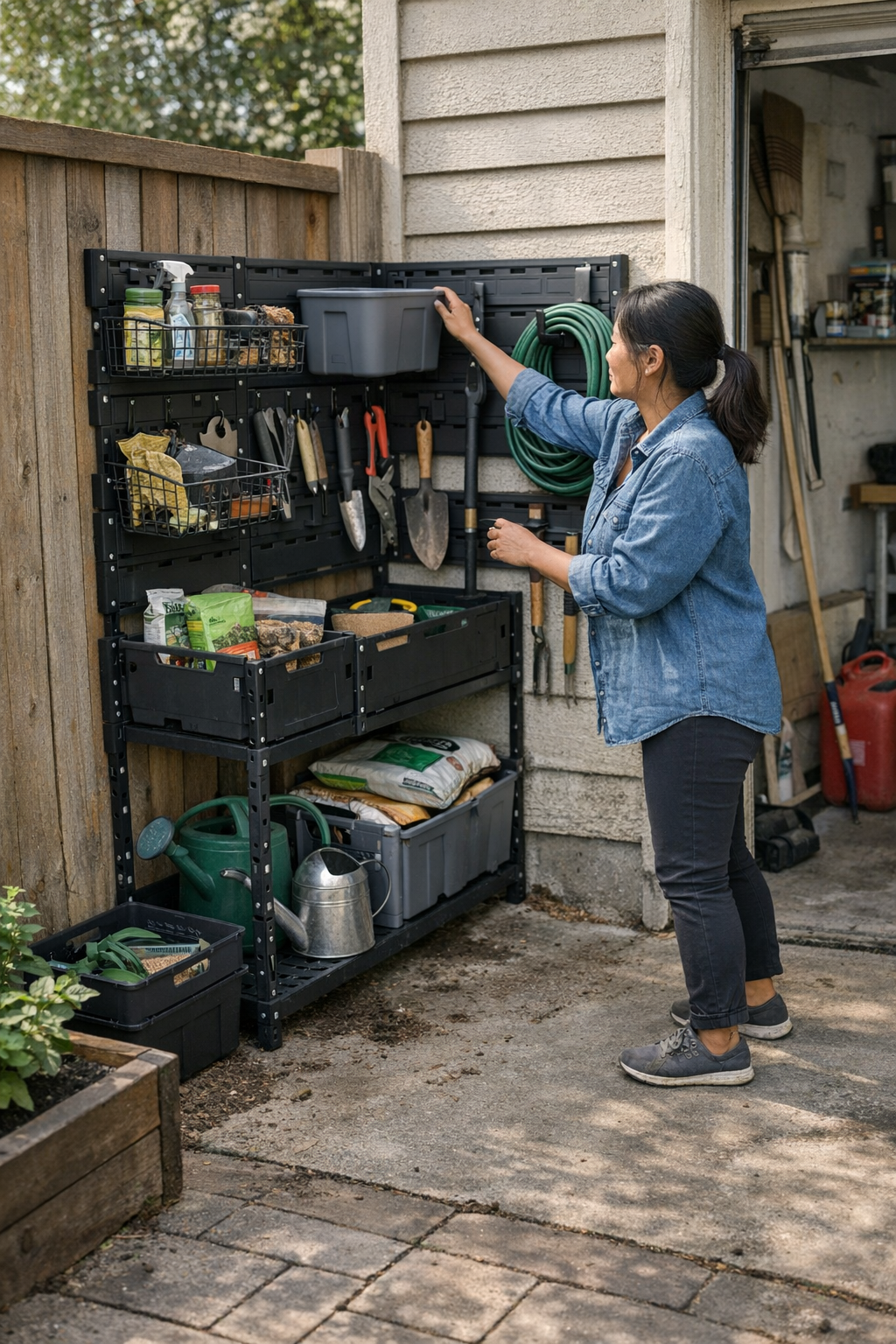
With small outdoor spaces, the question of where things belong can linger for weeks. When a wall storage system first goes up, there’s a feeling of triumph seeing tools neatly filed away and the backyard or side yard looking less chaotic. But the real test of those choices—what works well and what nags—emerges gradually, in the routines that follow.
Some patterns only show themselves through repeated use. The system can look ideal when installed, hooks and shelves aligned and orderly. But after a few weekends, gear circulates; you’re in and out, sometimes rushing, sometimes juggling kids’ bikes and muddy tools. The yard that felt wide open starts to feel tighter. Paths that were clear become pinched, and you catch yourself hesitating, arms full, searching for where to hang that spade you’ll need next week.
How Yard Storage Quietly Shapes Everyday Movement
You don’t notice it at first, but you start to feel it. There’s a small delay every time you put something back—tools left leaning against the wall, bags dropped by the gate.
I’ve seen how a fixed rack, sturdy on day one, can quietly become an obstacle. Hooks that don’t bend to new habits begin to collect clutter at their base. Shelves block wider gear. Each small inconvenience might seem harmless, until by Friday clear pathways turn into narrow walks between garden forks and forgotten hose reels.
This was the part I kept returning to: how the shape of the storage actually guides the flow of daily mess and return.
The Quiet Advantage of Movement
What surprised me wasn’t the strength of the system, but its ability to shift. Modular wall grids—where baskets and hooks move easily—saved more time and space than fixed setups. It’s a gentle flexibility that lets you adjust placement without tools. Suddenly the space can respond to seasons, to an unexpected run of soccer balls, or to rainy days when everything comes in muddy.
One practical observation: the fewer steps it takes to put something back, the less likely it is to be left out, turning into another small pile. In a yard that works hard, reducing the distance between “used” and “restored” feels like a quiet, practical win.
Settling Into a System That Lasts
Over a month or two, the wrong layout doesn’t just make things messier—it shrinks the whole yard. This shrinkage happens in repeated dodges and readjustments, through little frustrations that build when shelves can’t move or the system won’t adjust to changed needs.
A good wall storage system fades into the background. It adapts. Resetting things after a busy Saturday feels routine, not like opening a puzzle box all over again. That steady, quiet reliability is what kept me searching: a setup that wouldn’t require reconsideration every time the yard filled up.
These thoughts came together while tweaking my own setup, and I found a few quiet solutions here: http://www.tidyyard.myshopify.com