Finding Calm in the Chaos of Pet Travel Stops
Repeated-use pet travel exposes weak organization fast—surface order rarely survives real stops and starts. A setup with a dedicated, quickly accessible section keeps travel less stressful.
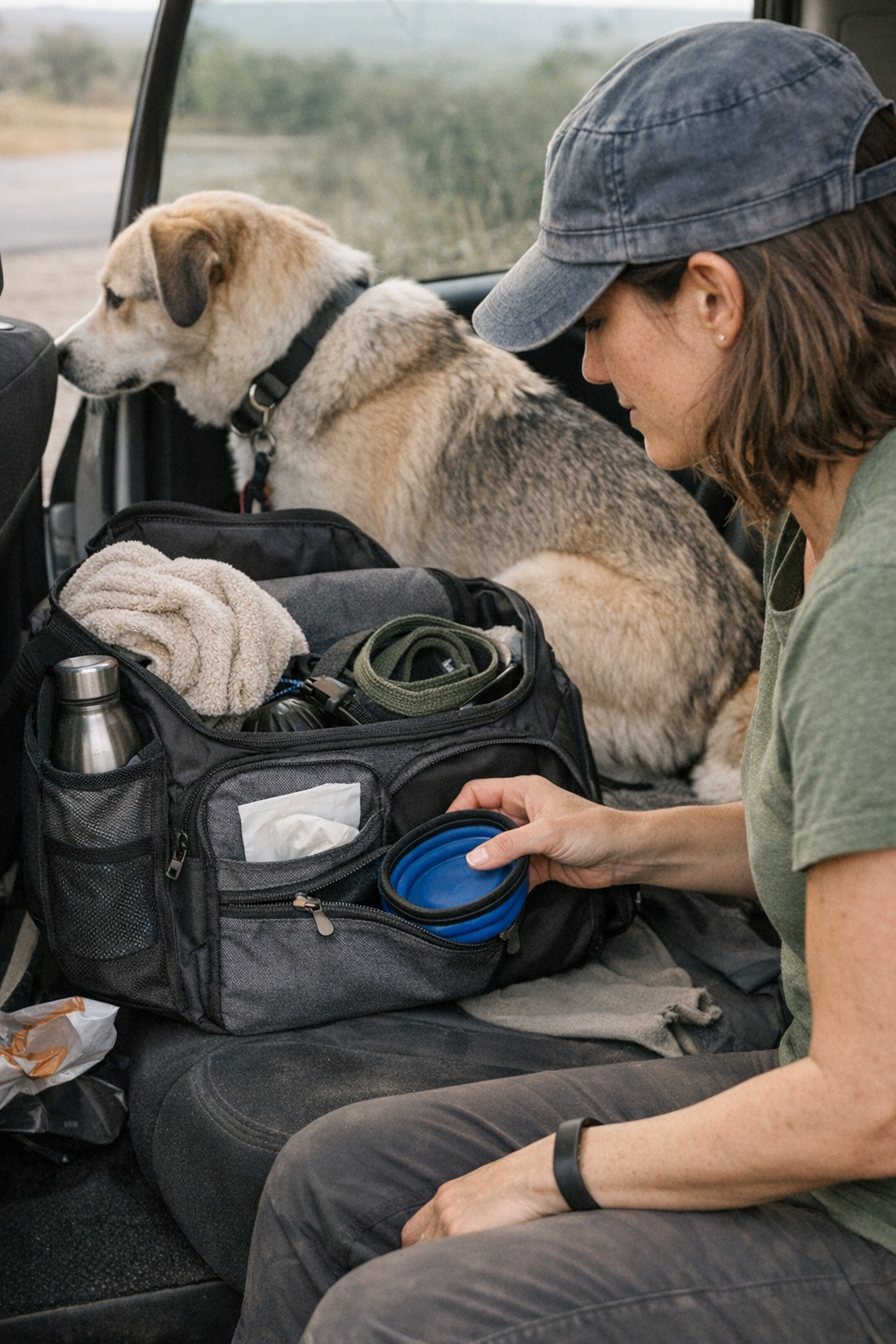
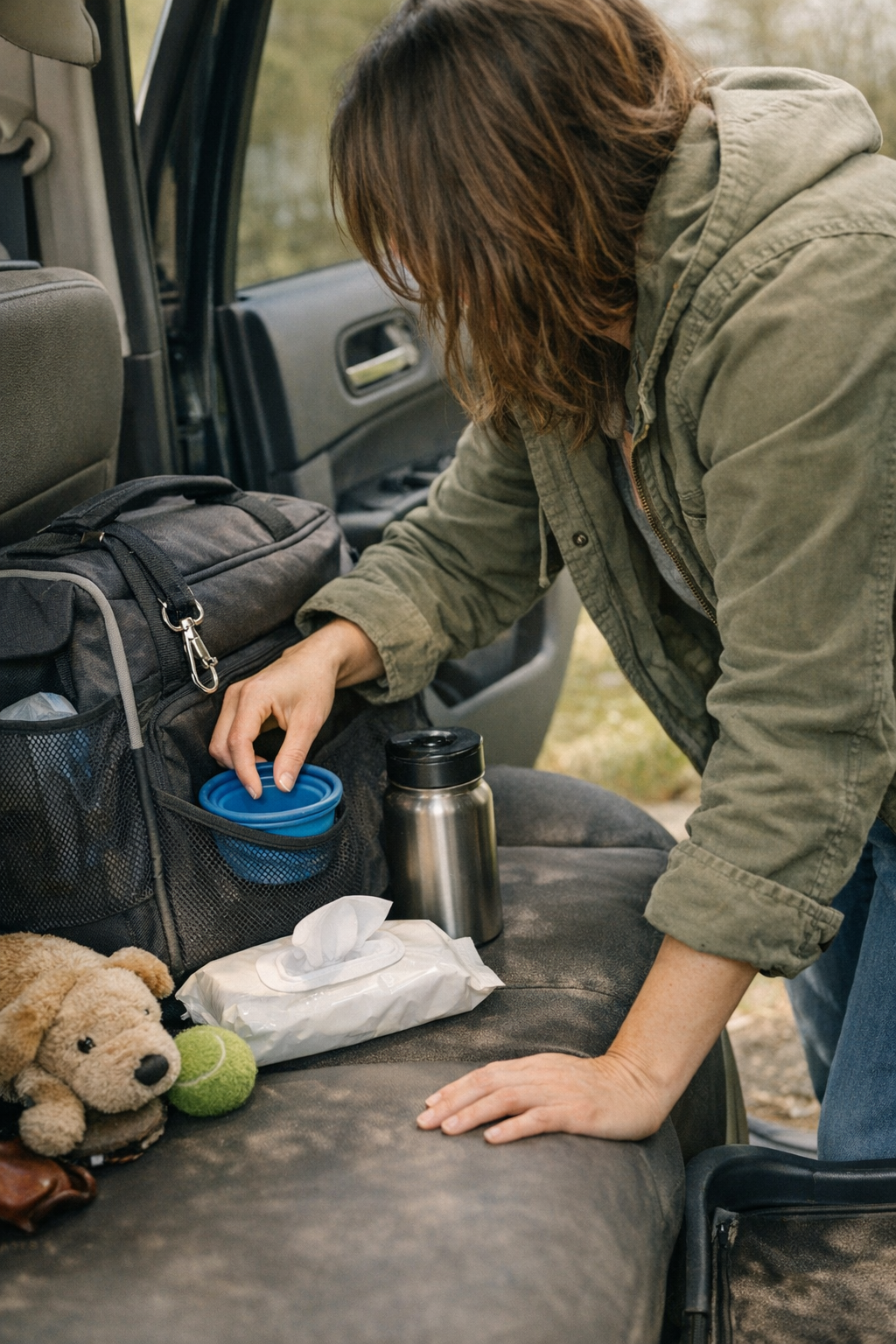
There’s a moment, often just after the second or third stop, when the edges of your perfectly organized pet travel bag start to blur. Things looked neat starting out—leash at the top, bowl tucked just right, those wipes exactly where you left them. But movement changes everything. The reach for water or wipes gets awkward. A restless dog pants in the back seat while you dig, and it feels less like grabbing essentials and more like interrupting the flow or momentum.
You notice it after a few trips. All the zippered pockets and smart compartments that made sense at home reveal quieter problems on the road. A clean compartment for bowls and food can end up blocked by a towel after an abrupt stop; wipes find their way under a leash or softer items, requiring a second hand to fish them out while the other balances a fidgeting pet. The extra time is small, but the friction is real—and the difference multiplies with every repeated movement. What started as organized slips into a recurring pause.
Organized Isn't Always Efficient
At first, I thought I just needed to start out tidier. But what kept showing up was something subtler—the way one hard-to-reach item pulls the whole kit out of sync. It looked fine at first. One walk, one cleanup, and the water bowl was where I left it. But the next round, the bowl had shifted, and retrieving the wipes meant adjusting two other things. That kept coming back. The issue wasn’t a lack of organization; it was the slow unraveling of organization not built for repeat action. Small interruptions, lost seconds reshuffling, or juggling too many things just to reach one item became the problem.
Tiny Shifts Change the Whole Routine
Eventually, I swapped my setup for one with a single exterior pocket for wipes and a quick-access panel for the bowl. It was a small change, but travel felt lighter. Now, opening one zipper near the seat was enough—I didn't have to disturb anything else. No more trying to settle a dog while sorting overlapping gear. Even my dog seemed less agitated, probably sensing less of my hurried movements and more of a steady rhythm. Trips didn’t just look organized—they played out smoother. After a while, it felt like the bag was working with the routine, not against it.
It’s those overlooked details—the towel that always shifts, the pocket that sticks, the compartment that slows you—where real differences hide. The bag doesn’t have to be fancy, but if it keeps essentials instantly at hand, especially after a few rounds of stop-and-go, travel starts to feel natural again.
Somewhere along the way, I stopped worrying if things looked packed the right way and cared more about how quickly I could get what I needed without turning everything upside down.