How Moving Heavy Boxes Changed My Daily Routine
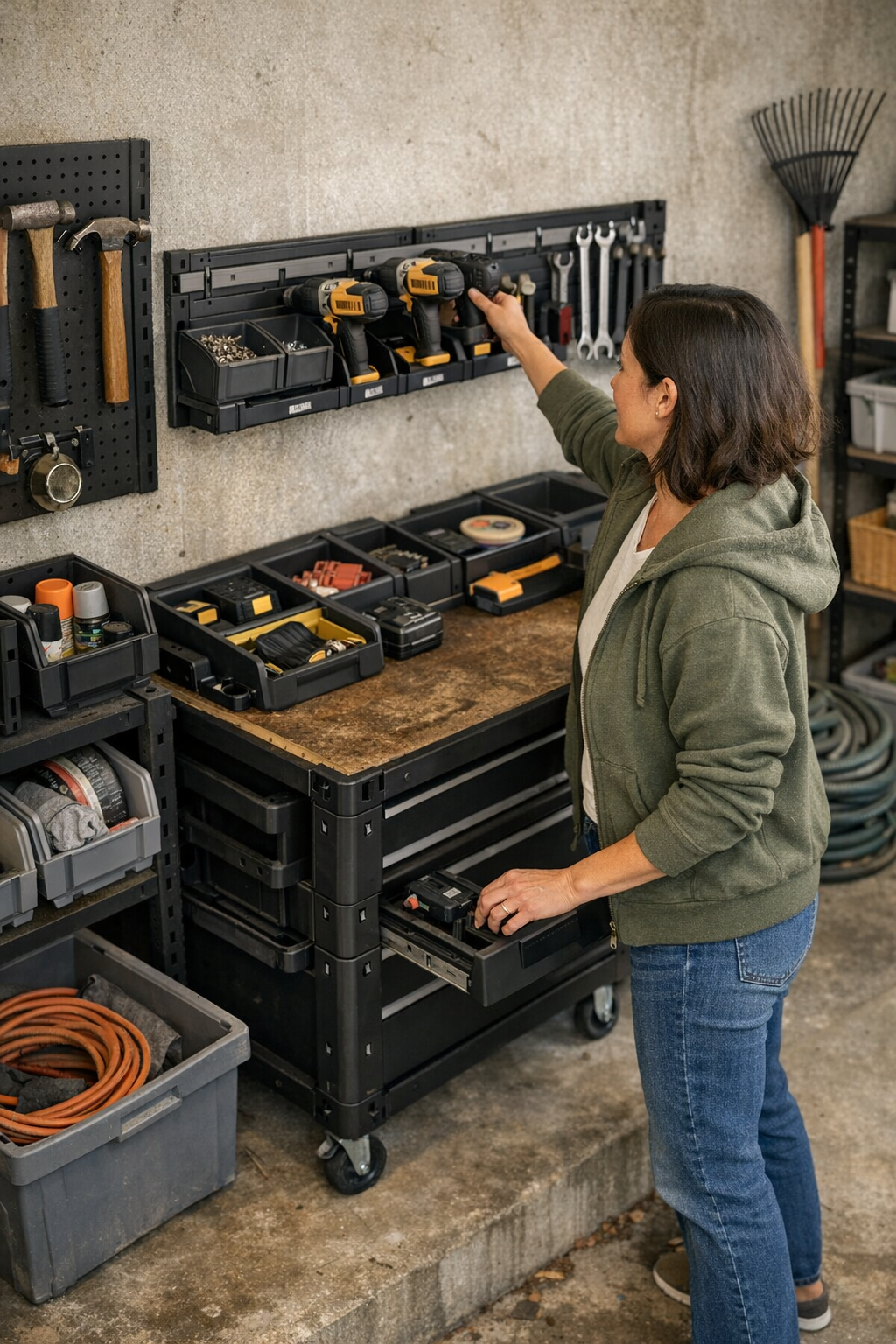
Lowering heavy items to accessible shelf height stopped awkward lifts, making garage and workshop movement smoother and less interrupted.
When Order Fights Routine (And Why the Little Lifts Matter More Than We Think)
It’s interesting how the most tiring parts of our day often go unnoticed. We set up modular storage, line up wall-mounted shelves, and admire neat floor-based systems that look calm and organized at first. But after a few days, something invisible starts to push back. The way we lift heavy boxes or tools — how we stretch, reach, and reset — quietly shapes the flow of every project.
You may not notice it immediately.
But you feel it.
The Quiet Gravity of Heavy Things
Some lessons settle in only after repeated use. Setting up a garage, workshop, or backyard utility space can feel like solving a puzzle, with every shelf squared away and bins clearly labeled. On day one, the floor is clear, and everything feels satisfying.
Yet over time, the heavy items tend to migrate upward. Maybe it's a box of fasteners or the toolbox shifted to a higher shelf — just beyond comfortable reach. Every small task demands a little more effort. You start hesitating before fetching the awkward bin perched overhead. Movements slow, and maybe you find yourself working around the problem. Sometimes a heavy case just lingers out of place, because putting it back means lifting it over your shoulder.
Eventually, the order feels less like a helpful system and more like a set of obstacles.
When Restoring Order Distracts from the Work
I used to wonder how a beautifully organized shelving setup could turn frustrating so quickly. Neat lines of storage often slip out of sync with real routines. The real challenge isn’t how everything looks after a deep clean — it’s whether every return, quick grab, and reset feels smooth or awkward.
After a rushed afternoon workshop session, a couple of bins might end up on the floor. Often it feels easier to leave them there temporarily. Suddenly, the clear walkway is gone, and the next task starts in a cluttered corner. Sometimes my grip falters, not out of carelessness, but because the weight is just too high above the midline. What seemed sensible on paper becomes a series of small negotiations.
This hidden friction sneaks in not with big messes, but tiny distractions that quietly sap momentum.
A Small Shift with Outsize Effects
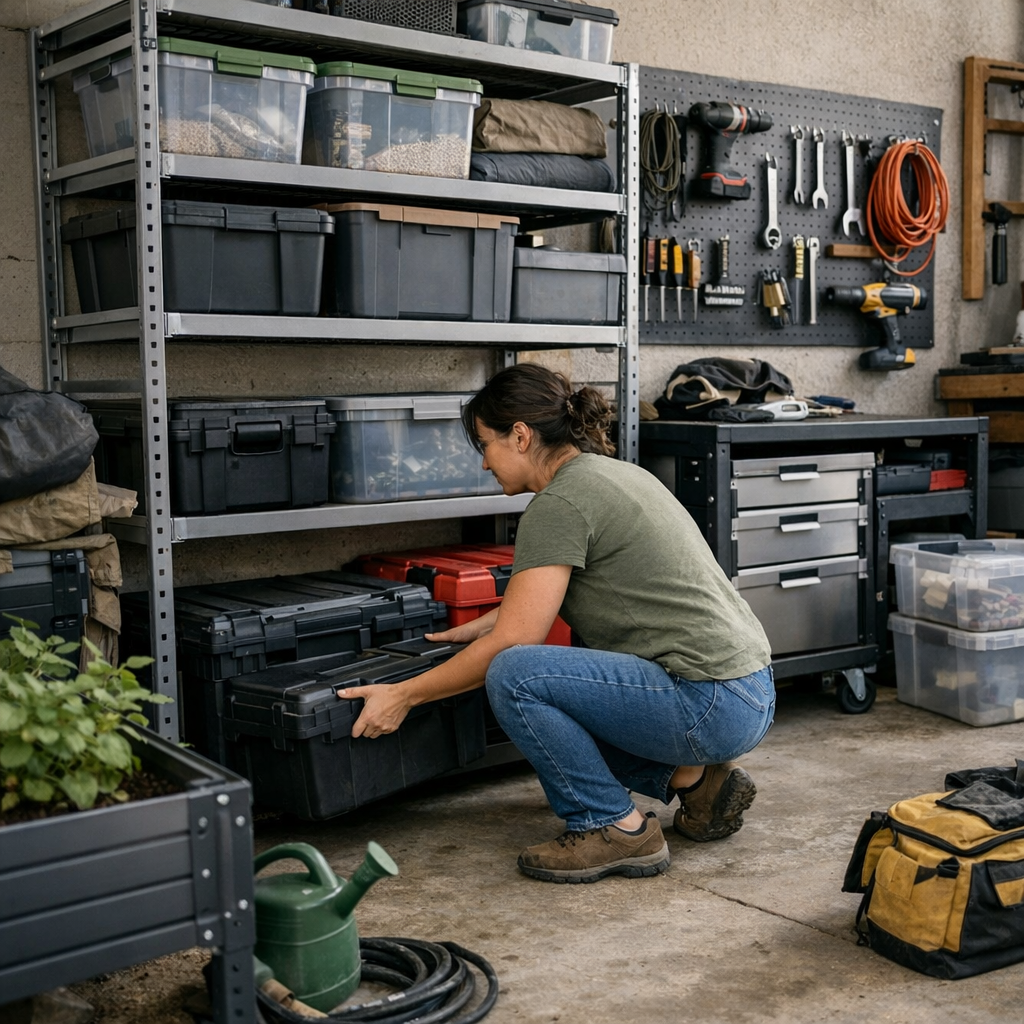
Eventually, I tried a simple adjustment: heavy containers came down to knee or waist height while lighter, rarely used items moved up high. It was a quiet rearrangement — not dramatic, just layering for comfort and access.
Almost immediately, tasks that used to slow me down — wrestling the toolbox into place or reaching for bulky storage by tiptoe — started to fade into the background. My pace picked up, and the urge to stack things on the nearest work surface faded away. The space didn’t just look organized; it actually invited staying that way.
Sometimes, making life easier is mostly a matter of trust — trusting that if you can reach what you need without strain, you’ll likely put it back without hesitation. Over time, this small change steadied the whole workflow. It reminded me that good order isn’t just about appearances; it’s about creating a space that quietly serves the work you care about.
These thoughts took shape while rearranging shelves in the workshop last month.