Living with a Backyard Setup That Actually Works
Dividing outdoor storage into two zones—daily-use and long-term—eases access, prevents clutter, and reduces reset effort in busy small yards.
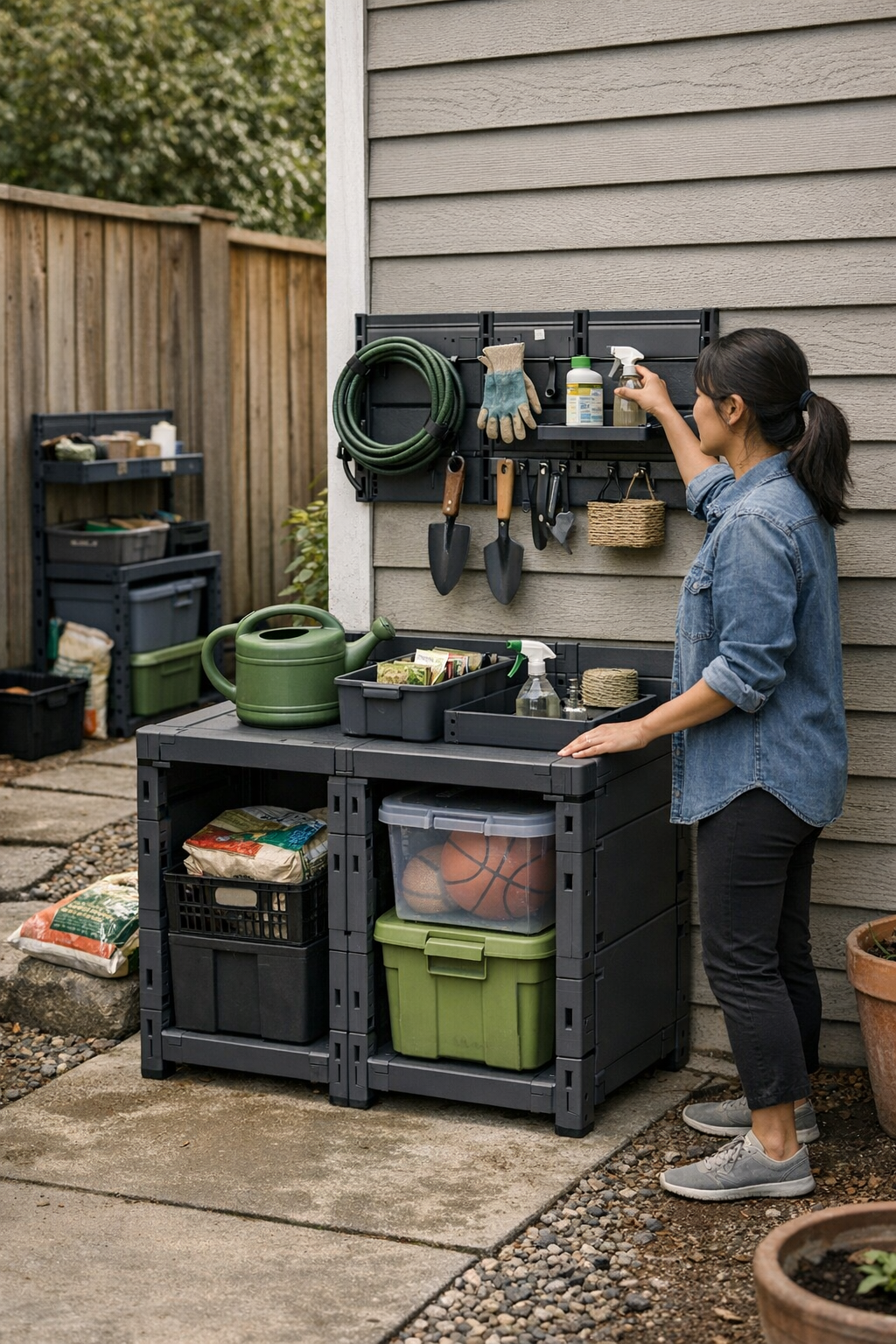
It’s easy to think backyard storage is a solved problem—just a shed or some bins, and the clutter disappears. At first, it even works. Everything is tidy, tucked away, off the patio and out of sight. You close the door on it and forget about it for a few days. But the quiet rhythm of real use is less forgiving than first impressions. You start to notice the patterns: what you reach for most, what piles up, what gets blocked or ignored. Storage doesn’t just hold your things—it changes how you move through your outdoor space.
The Subtle Friction of a Single Box
There’s a strange comfort in one big shed or storage box. All the gear—garden tools, sports stuff, holiday things—hidden, unified. For a moment, the space feels maximized, almost purposeful.
But you don’t notice how narrow the pathway gets, not right away. Daily items drift forward; old or occasional ones settle wherever they land after the last garden job or backyard scramble. You reach in for a ball and find yourself bracing an elbow against a plastic bin or nudging a bag aside with your foot. What was smooth becomes a stop-start routine. The trouble isn’t just clutter—it’s the small resistance that makes you hesitate about grabbing anything at all.
The Relief of a Simple Divide
In small spaces—narrow yards, squeezed side strips, or garage edges—the difference shows up fast. One afternoon, after circling past a messy corner for the third time, it becomes clear: the space needs a line, a way to separate things you use regularly from items touched only once each season.
Adding a low wall rack and a storage box didn’t seem bold at first. But this shift—placing easy-to-reach, frequent-use items up high and letting long-term or out-of-season stuff drop below—cut through the daily frustration. You don’t have to move piles just to grab a hose or ball. The walkway stays open, even as months pass and the rack sees different use. The quiet relief is real.
That was the part I kept coming back to. Sometimes it isn’t about more storage—it’s about less overlap and easier movement over time.
What Stays Clear, Stays Accessible
After a few weeks, you notice something else: returning items takes less effort, and nobody in the house is forced to re-stack a puzzle just to put away a glove or pump. The entrance path doesn’t disappear. The tangle is avoided, not managed.
It’s a small insight, but an honest one. Listing what moves every week and giving those things the front spot quietly changes everything. Forgotten or seasonal items tucked deeper or lower don’t interrupt the daily flow. Even a single wall or a short panel, divided clearly, holds the boundary—letting the outdoor space stay functional, not suffocating.
You feel the difference each time you walk outside. Not dramatic, just quietly easier.
These small patterns fell into place while rearranging a tiny storage corner—some notes here, if you feel like wandering through: tidyyard.myshopify.com.



