Living with Change: Hooks That Move with Your Routine
Adjustable hooks adapt as routines change, easing resets, reducing clutter, and keeping entryways organized despite shifting family needs.
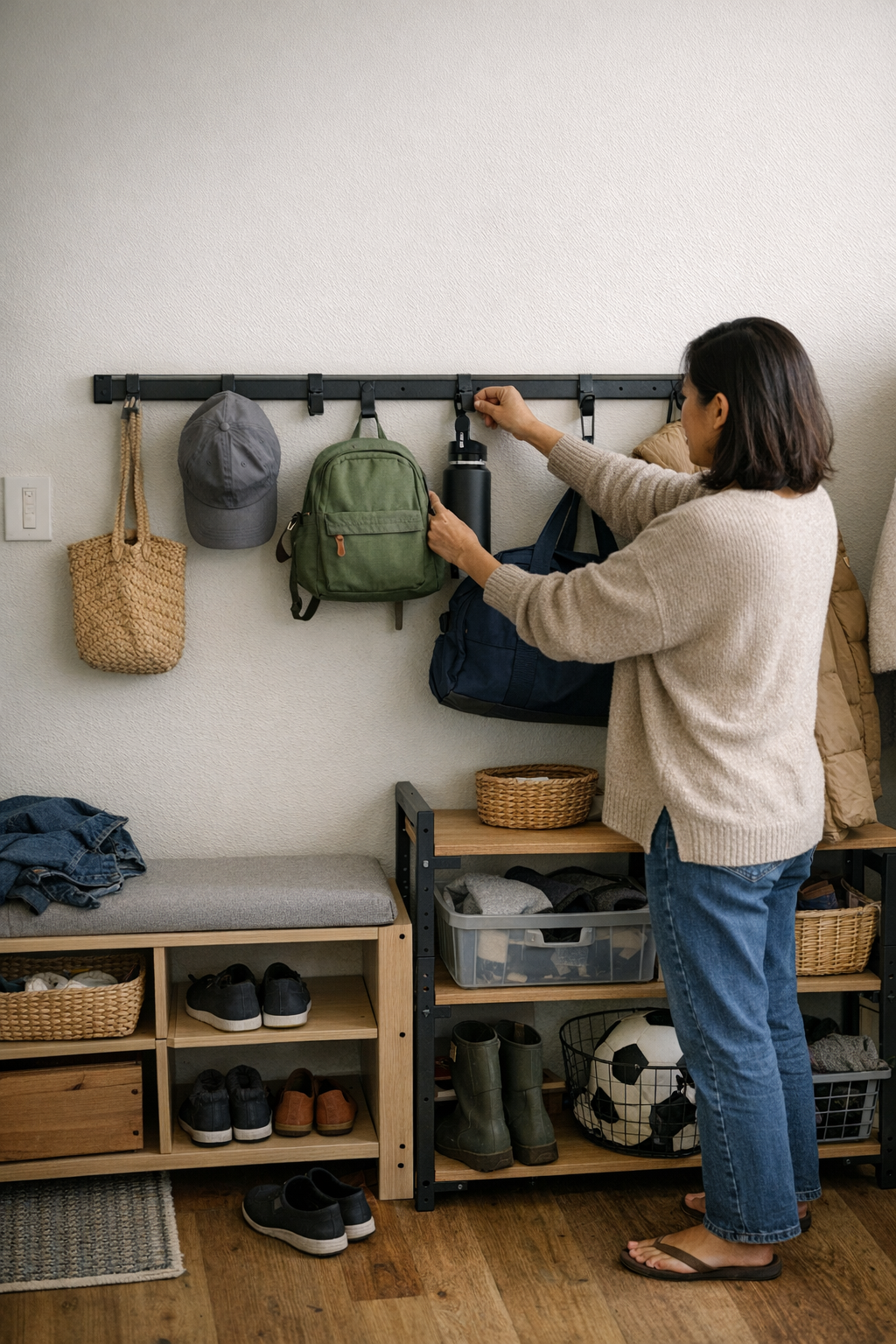
Somewhere along the way, the feeling of “coming home” shifted for me. The door still opened the same way, and bags still dropped just inside, but the transition space along the wall felt different. Over time, I’d grown used to the silent tangle at the threshold: shoes sprawling wider each week, jackets claimed and replaced, a bench that became a landing zone. Looking back, it was the introduction of adjustable hooks that finally made the churn more manageable. It didn’t fix everything, but it changed the daily pattern in a way I hadn’t expected.
Living Past the First Impression
You don’t notice it immediately. After any tidy setup, there’s a short window when everything looks poised, almost staged. But as routines settle in, the system itself gets tested: a new gym bag appears, someone’s coat lingers longer, extra shoes multiply after rain. Fixed hooks kept the room organized for a time, yet by late week, the walk never felt clear. The pressure at the bench edge—those small collisions of bags, shoes, and legs—seemed inevitable until the hooks could flex.
The trade wasn’t really about aesthetics. Once the rail allowed adjustment, it was as if the wall could breathe with our habits. Hooks shifted lower when a child’s backpack got too heavy or spread wider after a surprise coat-and-umbrella pairing. There wasn’t the same low-level dread about reshuffling every few days, and the seat returned for sitting—sometimes just for a pause, shoes half-on, during the usual arrival rush.
How Clutter Sneaks Back and Forth
Most systems hold their shape for a few resets, but eventually the routine presses hard against the setup—bags hung too high, coats layered thick, the “drop spot” drifting toward the door or crowding the floor. Clutter becomes part of the landscape. That was the part I kept coming back to.
Adjustable hooks didn’t erase the mess, but they created small moments where the setup bent instead of breaking. It was less about fighting the flow and more about guiding it—turning what could become a big Saturday project into a quick minute, moving things just enough to keep thresholds clear. You could feel the difference by how much less got dragged onto the bench or kicked into the shoe zone during the morning rush.
What Actually Stays Useful
The realization landed quietly: no fixed scheme lasts through real, lived-in change. Entryways have seasons, just like clothes. Maybe we all notice when the solution stops working—overflow blocking the path, wall space crowded with things that don’t quite belong. With movable hooks, resets faded into habit, not labor. That small adjustment—sliding a hook, reclaiming the bench—meant the space still worked when the week stretched or routines shifted again.
Every transition zone has its own quiet limits, but I keep returning to how adaptable storage softens the sharp edges of repeated coming and going. For anyone curious, Betweenry’s wall-mounted options offer modular, slim vertical storage and adjustable solutions that respond well to the daily pressure of real entryway use.



