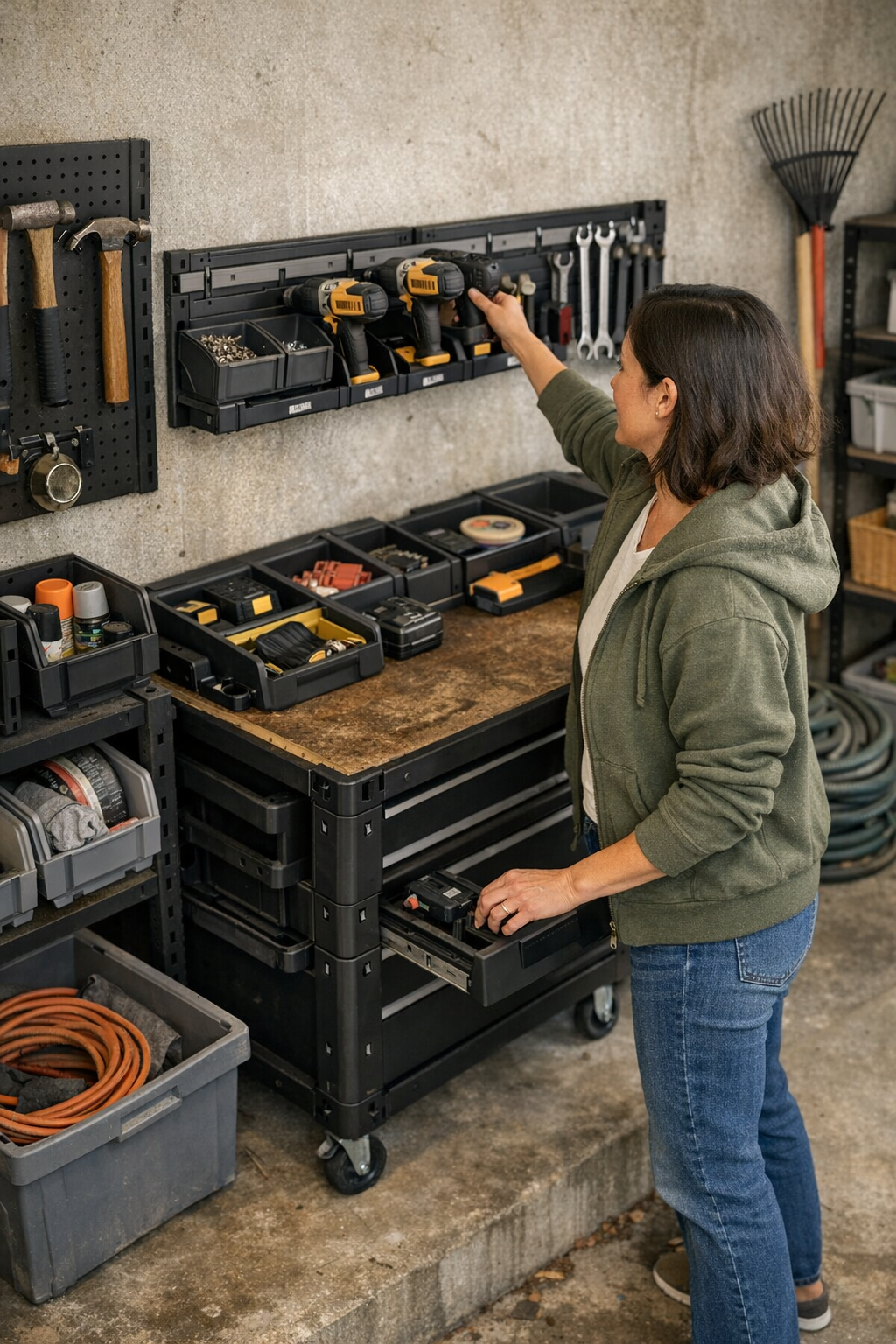
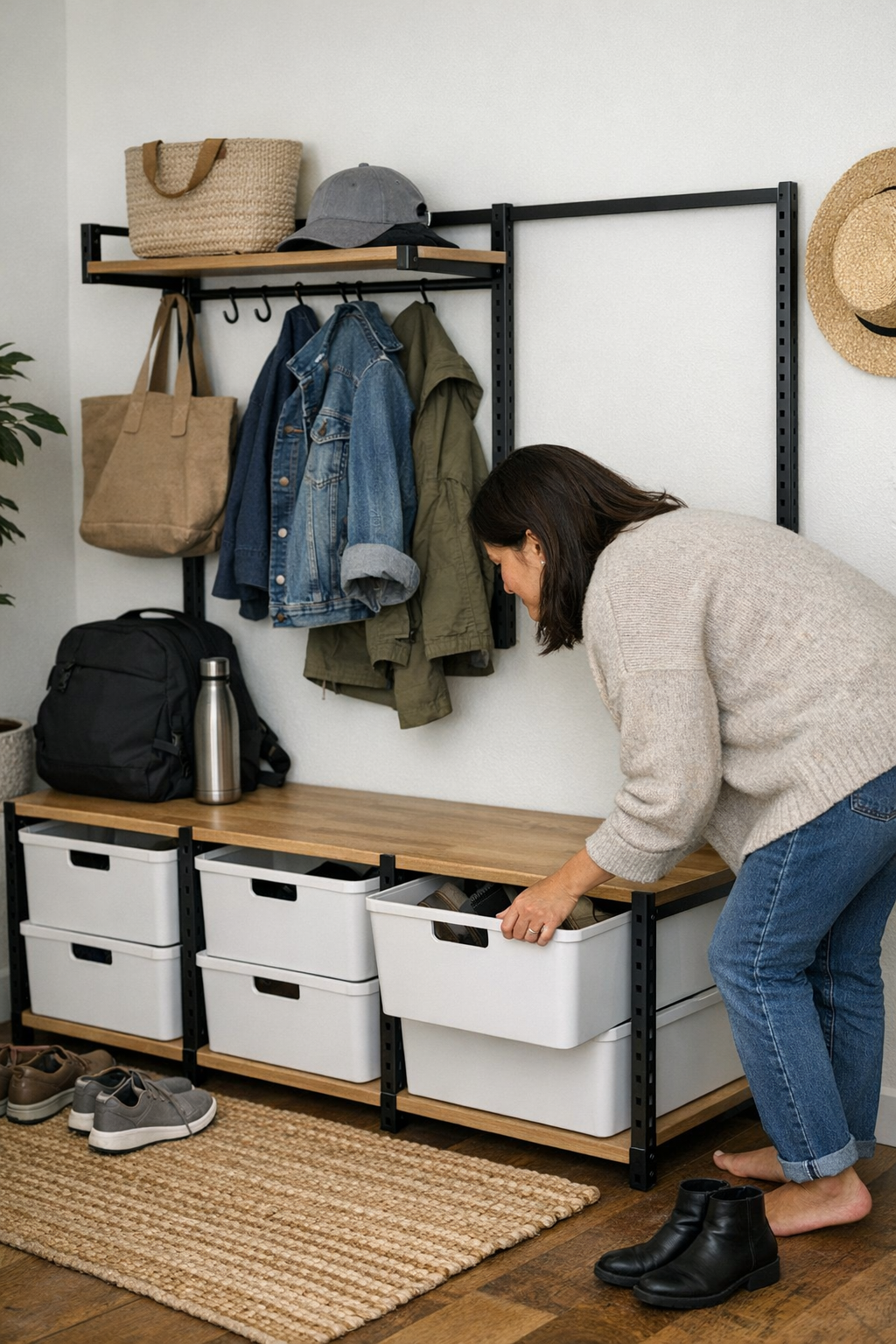
Living with Clutter: The Quiet Struggle of Resetting Spaces
True organization needs a repeatable reset rule that prevents overflow and blocked zones, keeping spaces practical and open daily.
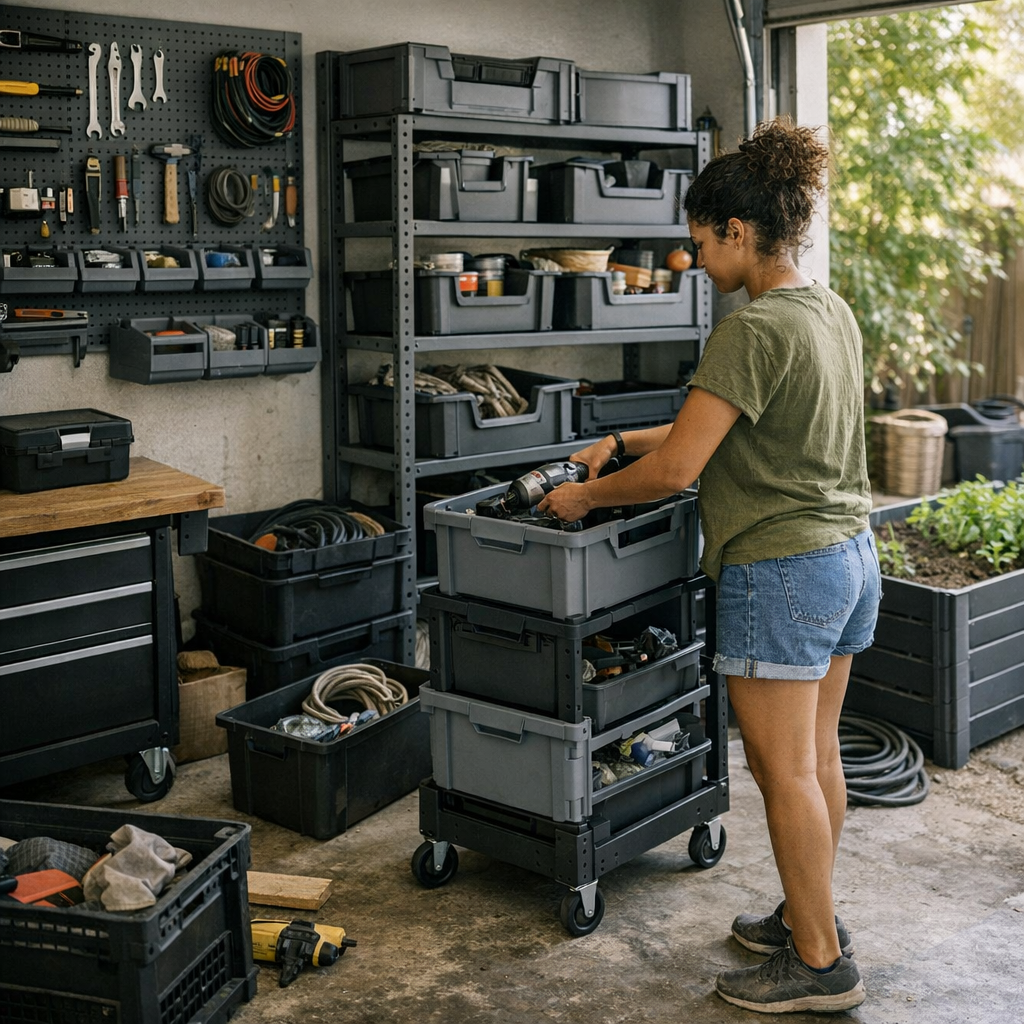
It’s strange how a tidy workspace—carefully arranged with modular carts, wall-mounted panels, and floor bins—can dissolve into chaos without warning. One day, everything feels in place: the bins are lined up, paths clear, and tools ready for use. Then something shifts—a new project, a guest, or a busier stretch—and suddenly the routes you relied on are blocked. Finding a screwdriver turns into a scavenger hunt.
This happens to nearly everyone who invests effort into organizing their garage or workshop. The real challenge isn’t setting the system up; it’s whether your space allows you to reset easily after work. It’s not about the hardware or shiny new storage units, but your ability to return items to places that keep the floor open and movement fluid. No one talks about this much, but you feel it when it’s missing.
The Illusion of Lasting Order
At first, the solution seems obvious: modular carts, magnetic wall panels, rearranged bins on the floor. Everything looks ready for action—until daily life disrupts intentions. Time and again, I’ve watched a carefully crafted garage lose its flow, not because tools were misplaced, but because “temporary” piles began to take root.
You don’t notice it at first.
A bin inches into the walkway. A few tools rest on a cart instead of their wall hooks—just for now. Weeks later, small shortcuts accumulate until the system that once promised effortless productivity demands more effort than it returns.
Why Some Systems Quietly Fail
It’s not a lack of effort that breaks these setups. Often, it’s the missing reset moment—the predictable routine that clears main paths and resets the space, no matter how messy the work gets. When I started watching spaces closely, I saw this pattern everywhere. Work areas looked perfect until a quick clean-up was needed or a tool had to be found in a hurry. That’s when congestion showed up—blocked passages, crowded exits, and “just for now” stacks creeping into daily use.
Sometimes the gradual buildup escapes notice. But you feel it.
Movement slows. The room becomes friction, not flow. That resistance changes how you use the space—or whether you use it at all.
The Quiet Power of a Reset Rule
After some time, I discovered that maintaining clear return paths was less about perfect order and more about one simple overflow spot near the exit. Instead of expecting constant tidiness, I made a small shift: at the end of each session, everything not in its place went to that zone. Clearing that spot became the only non-negotiable. This gentle guardrail kept main routes open, even if corners weren’t flawless.
Now, modular carts move where I expect. Floor bins are reset instead of sprawled. The difference isn’t dramatic at first, but during busy weeks the space quietly keeps pace. The fear of clutter buildup fades. Organization becomes less about starting fresh and more about returning what matters to its familiar place. The livable part is in the return.
I still notice the temptation to pile things “just for now.” But the reset remains—a small ritual that protects movement and clarity. It’s a subtle shift, but in a world full of clutter, it feels quietly radical.
These thoughts came together while reimagining my own working garage. For more reflections on practical workshop and garage setups featuring modular storage systems, mobile carts, and wall use, you can View the full collection.