Living with Light: Quiet Changes That Ease Daily Routines
Proper indoor lighting matches fixture type and placement to use, reducing shadows, glare, and discomfort for better daily clarity and comfort.
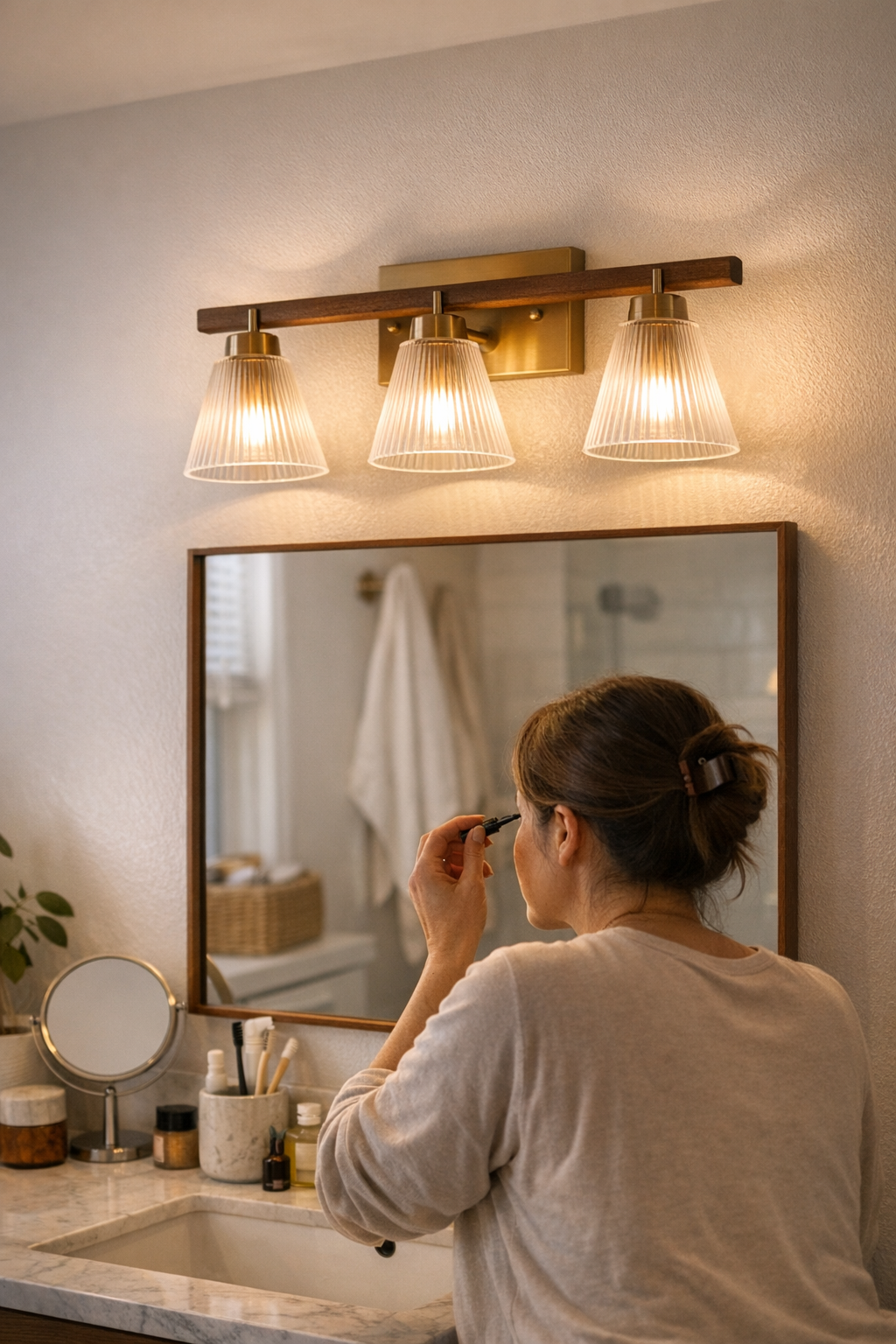
It’s not the flicker or the exposed wiring that first tells you something’s wrong. It’s subtler—walking a familiar hallway and noticing the same dim spot, or tilting your head so the glare in the bathroom mirror doesn’t blind you again. Over time, these small interruptions settle into your day. The feeling isn’t dramatic, but it nags—comfort and momentum quietly leaking away. That was the part I kept coming back to, the little ways the wrong indoor fixture made routine use just out of reach.
Shadows That Don’t Settle
A flush mount ceiling light can look bright enough—sometimes even too bright at first. But brightness is tricky. You don’t notice it immediately, and yet the corners of a laundry room can stay damp and musty, work surfaces catch their own shadows, or a stairway’s turn hangs in uneasy half-light.
The problem isn’t just aesthetics. You find yourself hesitating at the same stair bend or squinting under the cabinet, realizing the fixture doesn’t quite light the places you actually use. Most days you work around it, but it’s there—a slow buildup of frustration that arrives not as drama but as new habits: stepping quietly, leaning closer, or always grabbing your phone flashlight.
Where Glare Finds You
Glare is its own reminder that lighting needs to be more than just “on.” The light should be reliable, yet sometimes it feels like the fixture is playing a joke—sending reflections from the hallway floor at night or casting a harsh line right where the mirror meets your eyes.
It’s easy to start adapting—squinting, shifting, adjusting your stance. Every morning the same unevenness, the same quick glance before moving on. I found myself leaning to one side for better light during small tasks, and only when I switched from a single ceiling fixture to wall-mounted vanity lights on both sides of the bathroom mirror did the strain finally fade.
Two steady sources at eye level. The shadow across my face disappeared. The routine felt smoother in a way you don’t expect lighting to matter—until it just works.
What Isn’t Obvious at First
If a fixture isn’t built for the room—a damp-rated sconce in a steamy bathroom, for example—it wears down quickly. Less dramatic than a blown fuse perhaps, but the flicker, faint buzz, or an occasional switch that needs a jiggle all add up over time. You often don’t notice until the inconvenience becomes regular.
That was my quiet realization: the lights that really deliver are the ones chosen for how spaces are used and change through the day. The difference isn’t only what a room looks like when you walk in, but how it feels to live with—your midnight path through the hall, searching for a clean shirt under soft utility light, the steadiness of your reflection in the mirror.
Sometimes, the best fix is simply giving light permission to follow the way you already live.
If you’re curious where that small adjustment might start, this might help: http://www.lighthelper.myshopify.com