Living with Light: The Quiet Impact of Cable Order
Stable cable management is essential for lasting, distraction-free lighting, preventing inconvenience as cables stay anchored despite movement and use.
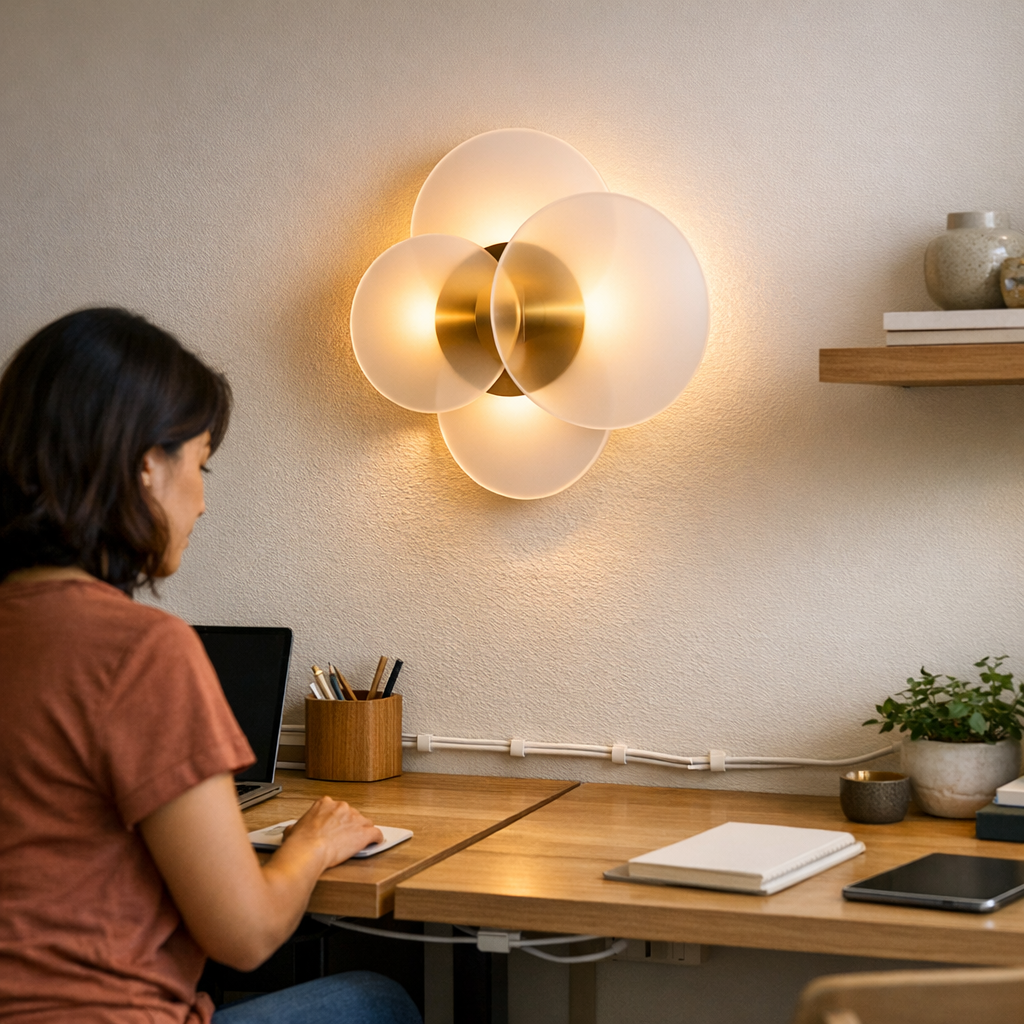
There’s a kind of quiet satisfaction when the light is right. Over a desk, under a shelf, stretching across the ceiling—clean lines, no excess, just the glow where you want it. But after a while, other details creep in. A cable, once tucked away neatly under a desk lamp, edges back into view. A power cord grazes a walkway. Routine sets in too, not with sudden mess, but a steady feeling that something is unsettled.
You don’t notice it immediately. But you feel it. There’s the slight catch underfoot, the faint clatter when a vacuum refuses to glide past a loosened cable. What started as a small oversight quietly works its way into daily movement. Lighting that should disappear into the background keeps demanding small, annoying bits of attention.
The Room That Looks Fine Until Life Happens
I spent a while thinking my setup was as streamlined as it could be. A pair of slim LED panels, nothing flashy, both plugged in at the far end of a shared desk. Cables hidden behind a fake backboard, barely a wrinkle in sight.
Then, on an ordinary evening—the laptop shifted, someone leaned over to plug in their phone, dust gathered near the base. Suddenly one cable slipped loose, draping a little too far and starting to snag feet. You don’t plan for these moments. But when the room is shared, used, lived-in, tiny disruptions add up.
That was the part I kept noticing. Every so often, a minor rearrangement turned a clean route into something awkward. Cables that seemed secure on setup became visible—or worse, started pulling at the lamp base or snagging a chair. It was never about the fixture itself—just the difference between cable lines that stay anchored and those that don’t.
What Lasts Beyond the First Week
There’s a gap between a desk that photographs well and a desk that never distracts you. Over months, I started noticing which choices endured. Adhesive strips looked fine in daylight but softened after a few warm afternoons. The cable that was simply tucked away required frequent attention; the one lightly clipped under the table barely ever crossed my mind.
You sit down—one less thing to notice. That became the measure for whether a lighting support truly worked. Not the invisible fix, but the sturdy, predictable path. Somewhere along the way, it wasn’t about hiding cables so much as not having to think about them again. A cable run parallel to the desk edge and anchored mid-way between me and the wall stayed quiet and out of the way through every minor adjustment. Not perfect, but it stayed put, even after a few extra devices joined the mix.
Over Time, the Smallest Supports Make a Difference
It’s a trade, really: the right bracket, the right clip, a decision about when to anchor a cable or just let it rest. Reaching under a shelf one evening, I realized how much less I noticed the setup when cables followed expected lines, never crossing where I put my hands or blocking a drawer.
An organized cable never becomes more visible with time. It just recedes, blending in by doing nothing at all. That’s the best kind of support for lighting meant to disappear—the kind that still feels right after the third reconfiguration, as routines shift and different people move through the room.
The spaces that stay easy to use are never quite as effortless as they look, but there’s something rewarding in an arrangement that doesn’t break stride, even after many ordinary weeks.
If you want a sense of what makes lighting setups easier to live with, you'll find more quiet fixes over here: http://www.lightsupport.myshopify.com



