Living with Lighting That Moves and Shifts Daily
Plug-in lighting offers flexibility without permanent changes but needs careful cable management and adjustments to avoid clutter and instability.
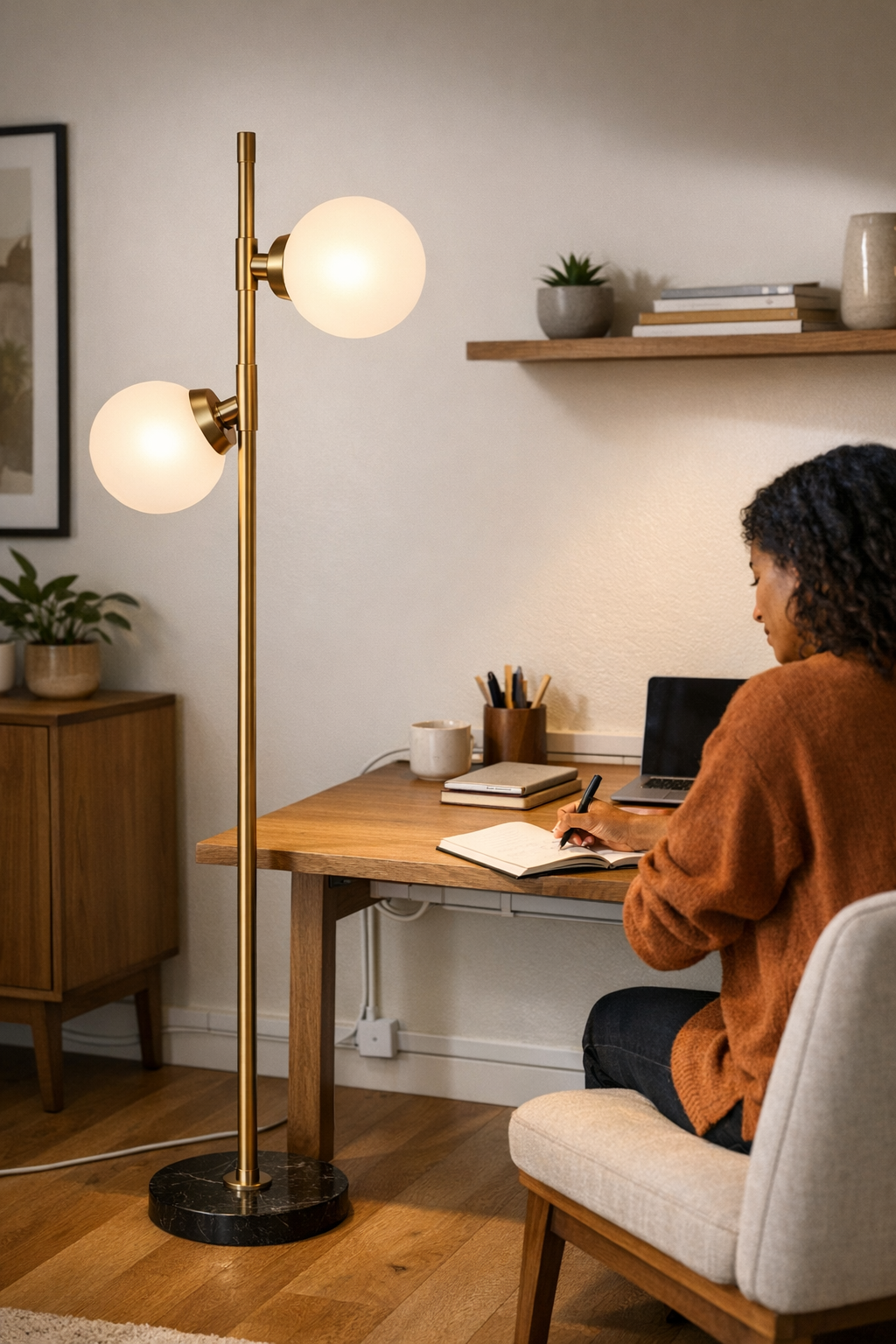
It’s almost funny how quickly a new lighting setup goes from feeling ingenious to… slightly unresolved. The first evening, everything shines. The cables are tucked aside. The glare isn’t as harsh as you expected. But as the days settle in, so do the cables—into paths you forgot you crossed, under the edge of your desk, or along that stretch of wall that always seems one plug short. Suddenly, the neatness isn’t a given. The comfort was temporary, and daily routines start to reveal all the edges.
Where Cables Begin to Wander
You don’t notice it immediately.
Plug-in lights create a sense of flexibility at first. It’s easy to reconfigure a desk lamp, nudge a clamp-on task light, or move an LED strip under a shelf if your work spot isn’t quite right. But I kept running into the same tension—cords creeping onto my usable surface, brackets misaligning with every lamp adjustment, power strips pushing into view. That feeling of flexibility slowly fades with every routine shift. The setup looked good at the start, but cables and fixtures simply don’t stay put when you’re frequently moving around.
That was the part I kept coming back to. The hardware never settled. A plug-in accessory is always movable, and somehow it always shifts just when you don’t want it to.
The Little Disruptions Add Up
There’s a familiar irritation in crossing the same room edge, reaching under a shelf, or pulling up to a table, only to catch your foot on a cable or have your eye drawn to an exposed plug. Not enough to ruin a space, but enough to remind you that the solution isn’t quite finished.
Glare appears from a shifted desk lamp, a dim area shows up when an under-cabinet strip moves, or a cable slowly inches toward the middle of a work surface—all these become less forgiving over time. Shared setups amplify this feeling; someone always moves the clamp-on light, someone always reroutes a cable. The sense of control slips away into constant small adjustments and cleanup. Eventually, moving through the space feels less confident, as if you’re always on edge, anticipating something sliding out of place.
But you do feel it.
What It Takes for a Setup to Settle
I started holding cables flush against the wall behind my desk—just simple cable clips, nothing fancy. The cords stopped curling where feet passed, the lamp stayed put no matter how often I shifted my chair. The light felt more consistent, not because it was brighter or newer, but because it stopped changing position.
Even the smallest cable taming helps everything else fade into the background. The space looks cleaner and feels easier to trust and clean. There’s a real relief in knowing the lights won’t slip or the cables won’t creep across your workspace again.
Most lasting setups feel this way because the light, its mounting, and cable management have finally stopped demanding attention.
Sometimes I look for setups that take this further, and a few quiet ideas are collected here: http://www.lightsupport.myshopify.com



