Living with Outdoor Storage: When Systems Shape Your Space
Choosing between wall systems and storage units depends on ease of use and maintaining order with daily outdoor storage tasks.
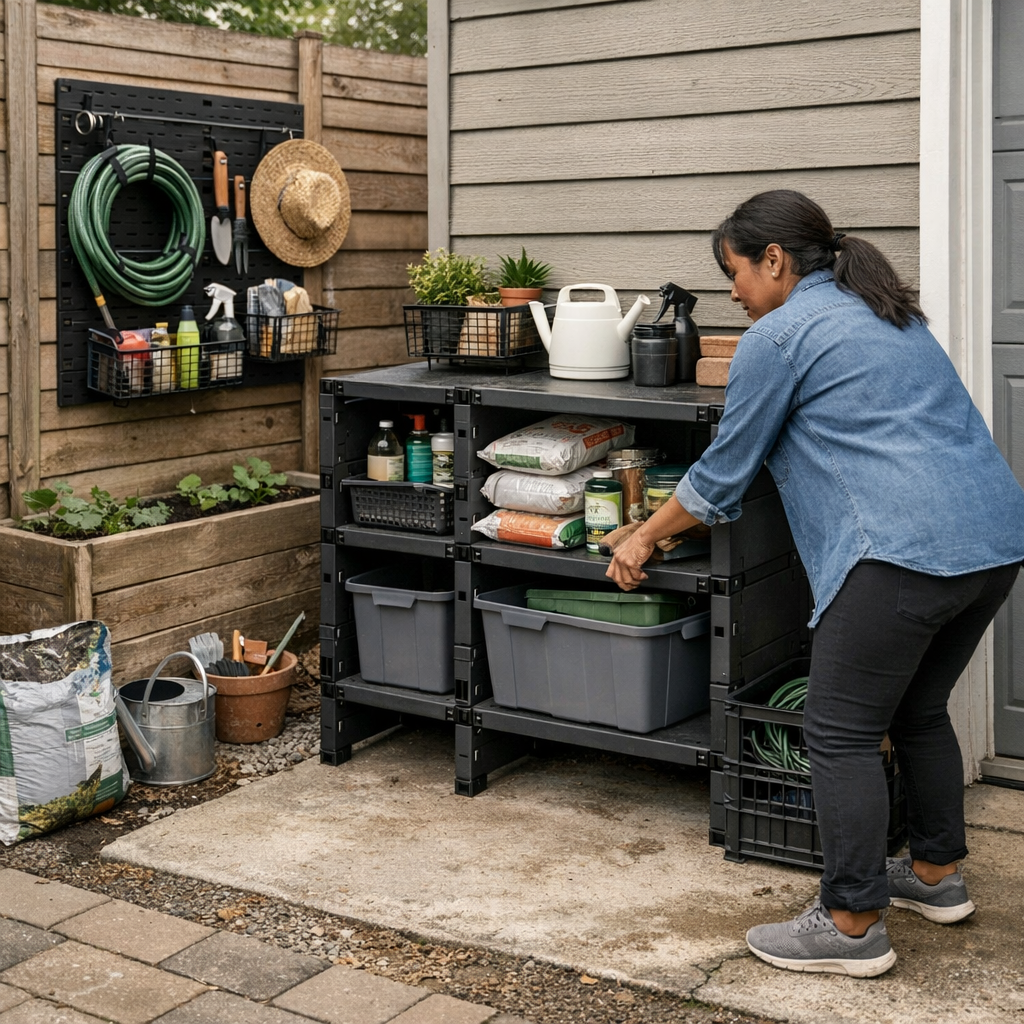
It’s surprising how quickly outdoor spaces start to feel smaller—not because the yard physically shrinks, but because paths get crowded, floor space quietly disappears, and the edges begin to blur. Most people assume the answer is simply adding more storage. But after a few seasons living with backyard organization systems, I’ve realized it’s not just about where things go; it’s about how easy—or difficult—it is to put them back, time and again, after everyday use.
Wall racks, freestanding cabinets, bins tucked under eaves—they all initially promise clarity and order. But the real shaping force is the daily rhythm. Paths that once felt wide begin to narrow. A rake blocks the gate; the watering can ends up wherever it was last used. Organization starts to feel less like a solution and more like a cycle you keep circling.
When Things Get Put Back—Or Don’t
You don’t notice it right away.
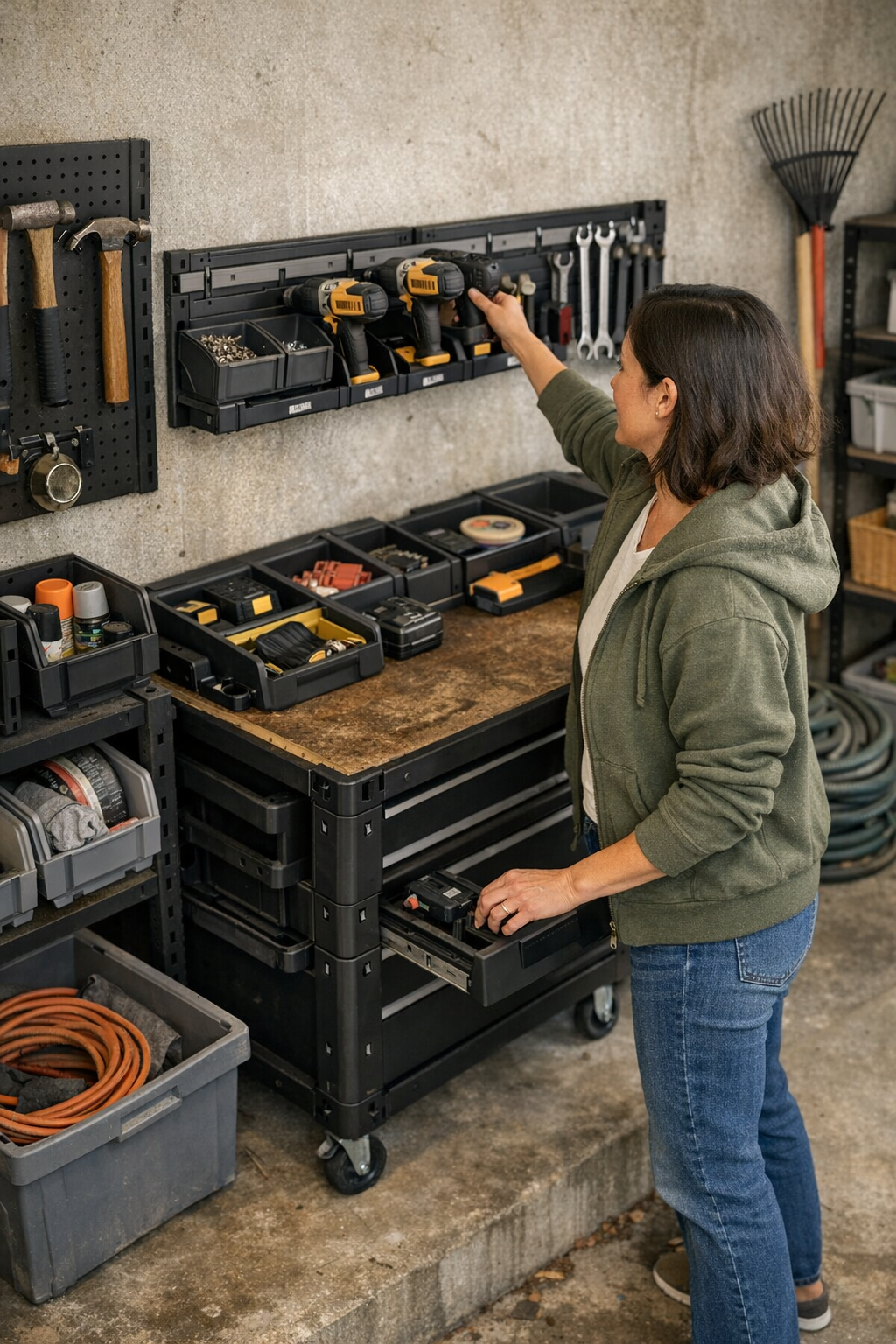
With a wall system, where everything hangs visible and off the ground, I became more aware of small messes. If a trowel was missing or something landed in the wrong spot, it was just there—calling for attention. Sometimes that quiet pressure helped. My hands would naturally return items rather than letting them settle at the edges.
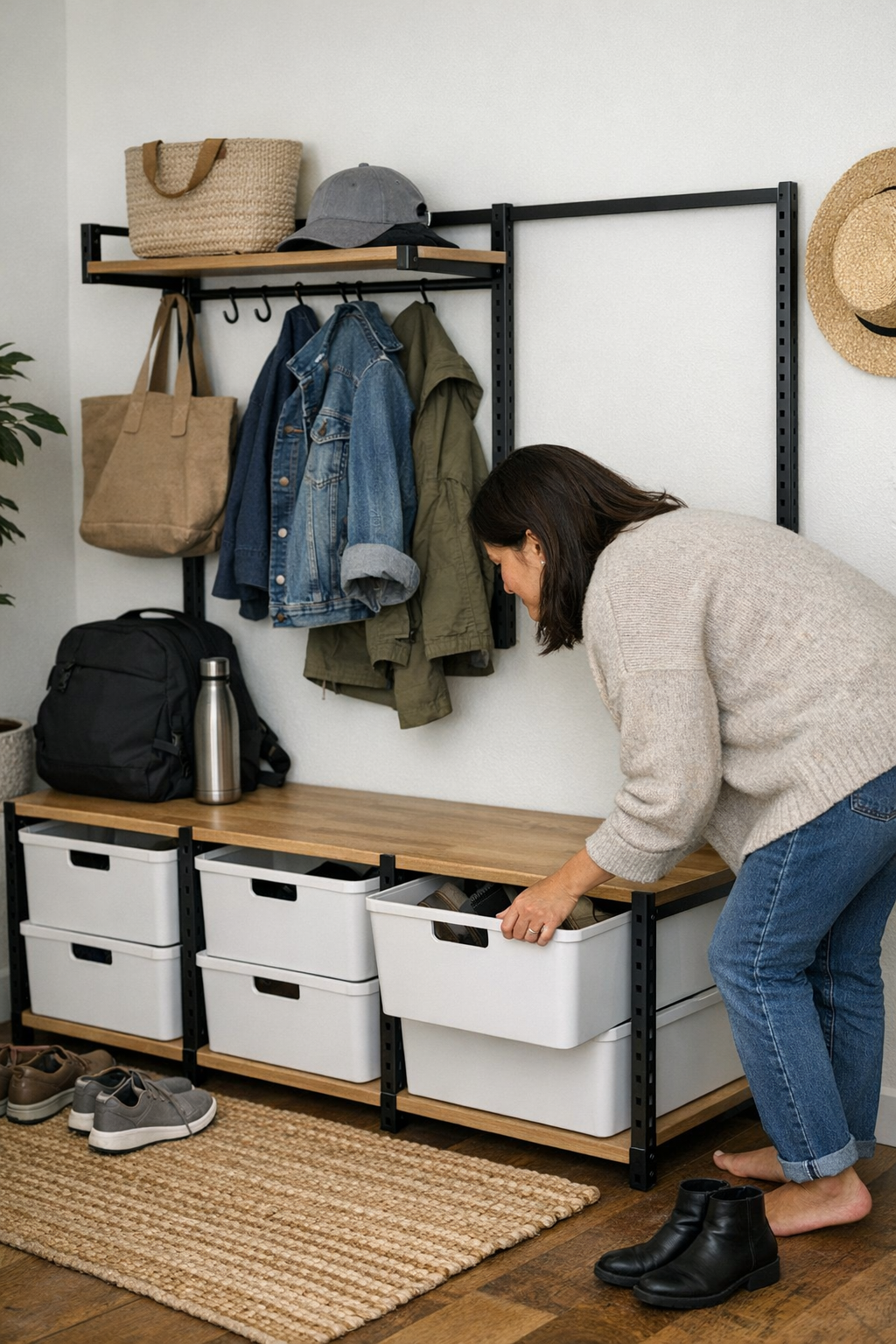
Closed cabinets, by contrast, felt tidy—until the doors opened. I noticed delays began to stack up. If the secateurs slipped to the back, I’d leave them out “for tomorrow.” Piles grew, too subtle to bother with at first, then awkward to ignore. The box hid the mess but didn’t erase it.
But you feel it. That slow buildup of objects that wait for next time.
Fitting the System to the Flow
Every yard has its own current. In tight spaces, the ground matters most. Wall systems kept ground space clear and preserved open movement, even as storage filled up. This mattered even more when trash bins and kids’ bikes shared the same narrow path.
Standalone units gathered what I didn’t want to see. The trouble was, anything buried rarely returned to use. Some things resurfaced, but many just lingered, quietly untouched. The lesson was subtle but steady: if access takes effort, items drift, and shortcuts multiply. I’d find hand tools migrating to the closest fence, or a ball wedged beside the storage chest.
Resetting the space turned into its own job—a task put off until a small annoyance became a repeated pattern.
How the Edges Tell the Story
Eventually, the system’s cracks show in small clusters. Items start loitering in high-traffic corners or under the faucet, almost as if they gave up on belonging anywhere else.
This creates a quiet, ongoing friction. When returning things is hard, small messes tend to stick around. Wall systems aren’t immune—too many loose items and the order falls apart—but at least the errors stay visible and easier to correct. Cabinets, on the other hand, let clutter stack silently until the day the door won’t close.
The practical takeaway is simpler than advice: the best setup is the one you’ll actually keep resetting, not just organizing once.
These thoughts came together while reviewing options at http://www.tidyyard.myshopify.com.