Living with Storage That Grows and Changes
Modular units are the safest first purchase for new storage systems, allowing easy adjustments as your needs change and avoiding fixed shelf frustrations.
There’s a quiet satisfaction in seeing a newly organized shelf—all the boxes lined up, jackets hanging just so, each item tucked into its place. Order has an allure, and when it lands, it feels like a gentle exhale. It’s only after a little while, in the hushed moments when you fumble for a pair of gloves or hunt for that one bottle at the back, that the cracks begin to show. The choice between fixed shelving and modular units might seem simple, almost incidental. But its impact lingers quietly in the background of daily life.
Why Early Choices Shape the Whole System
You might walk into a closet with fixed shelves and feel a sense of neatness, of solutions put into place. But needs very rarely stay fixed. A coat comes in bulkier than expected, or a kid grows tall enough to reach for mittens on their own. You don’t notice it immediately.
But you feel it.
Routines shift in tiny, almost invisible ways. That’s when fixed shelving—pristine at first—starts to feel rigid. The space you thought would serve you quietly resists, asking for more of your time, nudging you to repack or refold after every little change.
The Gentle Agility of Modular Units
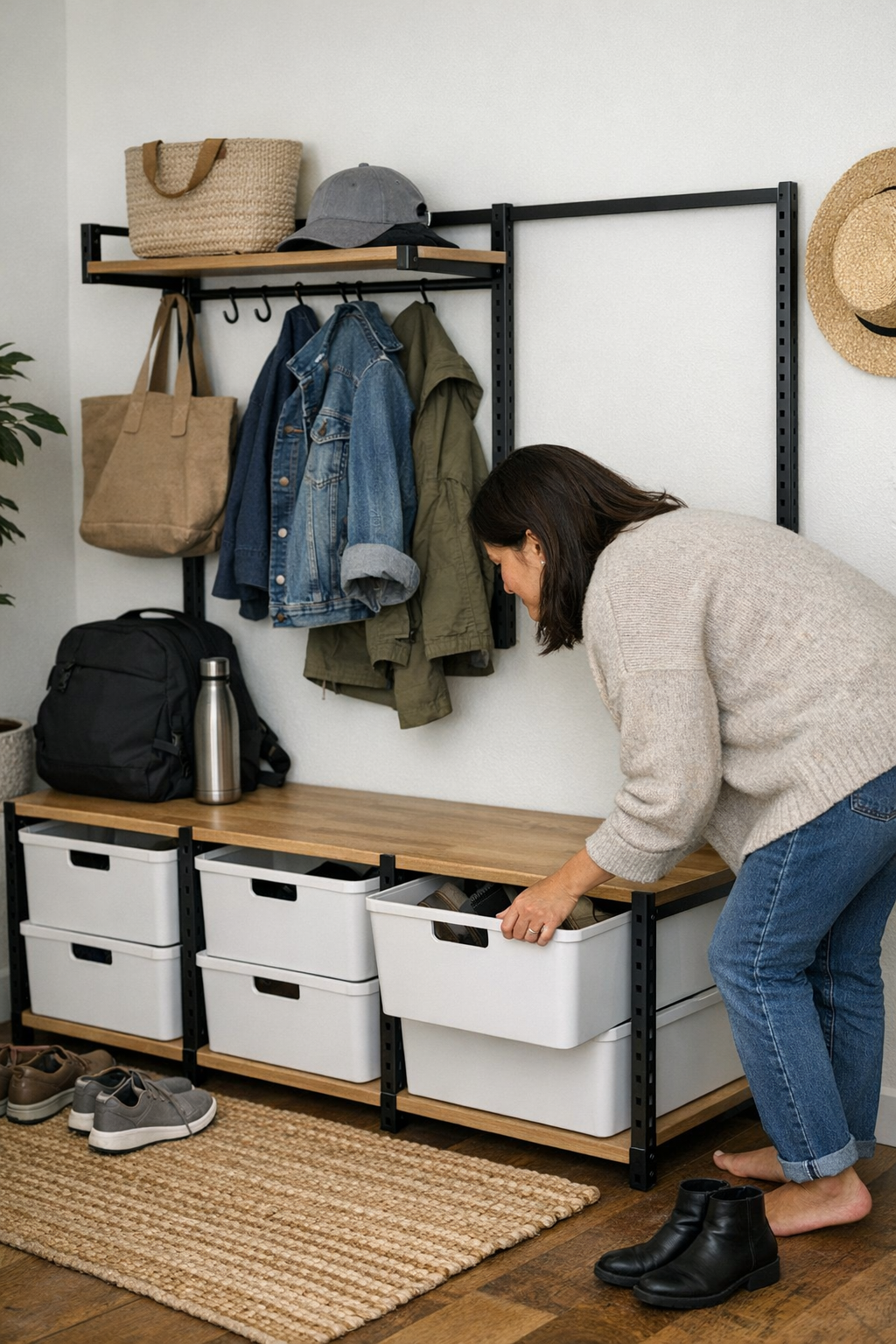
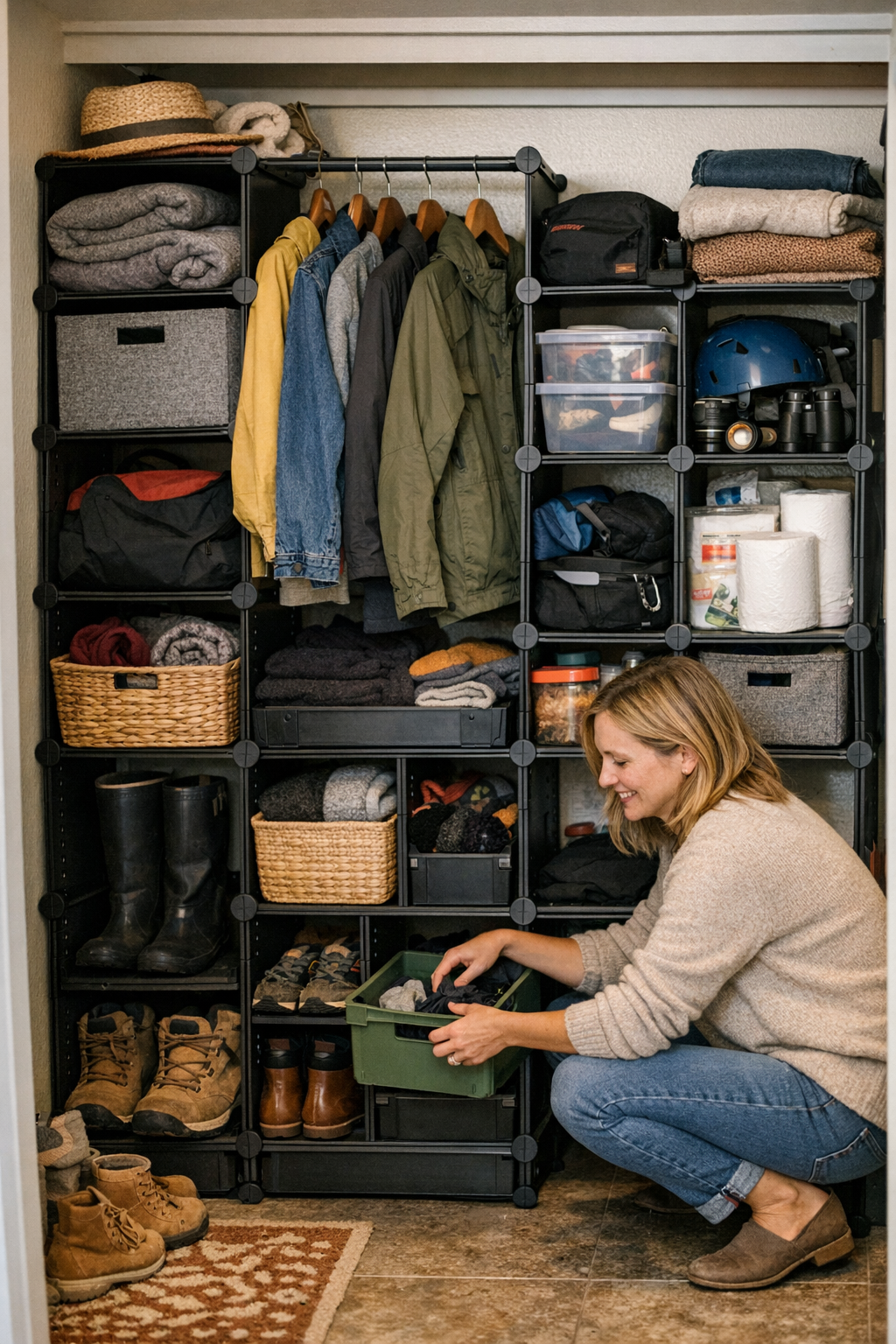
There’s something pleasantly surprising about moving a cube or sliding a bin to a lower shelf, sometimes in the middle of a busy morning. Modular units have an odd generosity—they bend to you in small ways. One week, a shelf holds boots for winter storms. The next, it hosts a tangle of sun hats and picnic supplies. The system doesn’t mind.
These little shifts make a bigger difference than I once expected. Resetting things at the end of the week takes just a moment—a cube here, a bin there, nothing more than a gentle adjustment. Suddenly, upkeep feels less like a chore and more like a quiet reset. There’s room for change, and somehow, that makes daily routines smoother.
How Routines Actually Evolve
I remember a hallway closet, looking sharp on day one. Shelves matched the paint, bins were labeled. It felt finished. Yet, by the end of that first busy week, patterns shifted. Boots trickled into jacket space. Bags you meant to use often got buried at the back. The shine of initial order dulled just a little.
That was the refresh moment for me: realizing that storage isn’t really about the things—it’s about how life sneaks up with its own ideas. With modular cubes, a system can redraw itself without much fuss. It means that reorganizing never feels like starting over; it feels more like adding a new rhythm to an old song.
A Quiet Change Makes the Difference
It’s hard to notice the time a fixed shelf quietly saps from your day—until it’s given back by a more flexible system. The shift sounds small: three cubes stacked where one long board used to be. But when resetting takes two minutes instead of five, it softens the edge of daily chores. Each category keeps its place. Each routine feels just a bit easier.
And so, storage stops being a puzzle you’re always trying to solve, and starts feeling like something that really works with you, not against you.
These thoughts came together while working, quietly, on a hallway closet for my family.